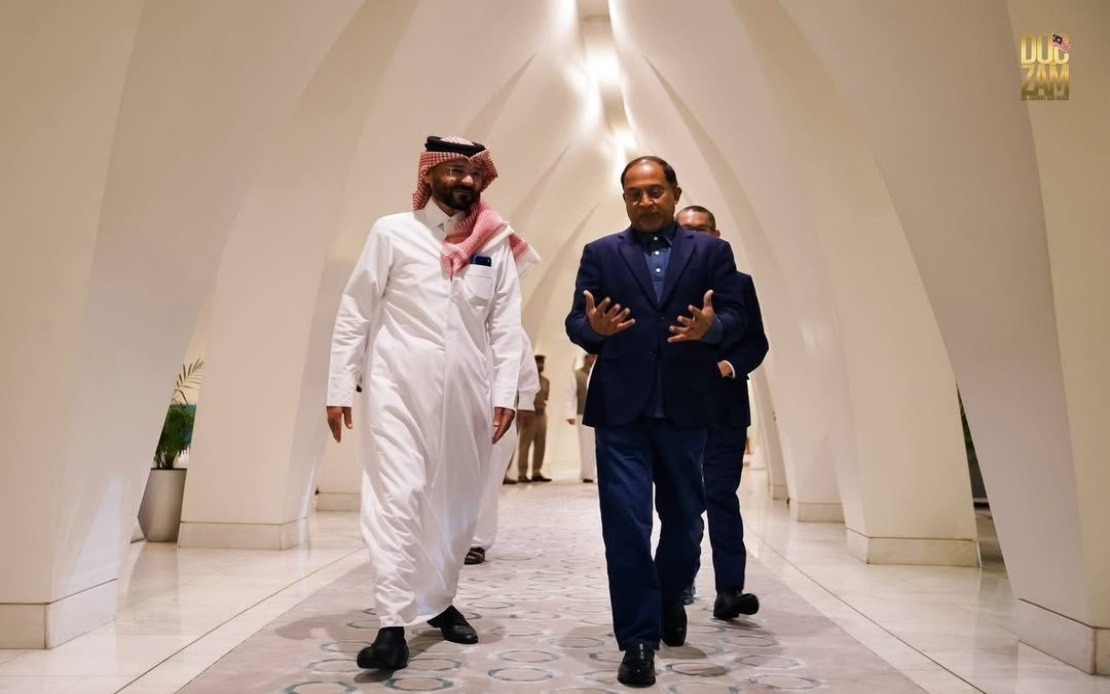
Malaysia has dispatched its Higher Education Minister, Datuk Seri Dr Zambry Abd Kadir, to Qatar's capital Doha to represent the nation's government in honouring the late Sheikh Hamad bin Khalifa Al Thani, the former Father Amir who passed away on Sunday morning at the age of 74. The minister's arrival in the Gulf state early on Tuesday marks an important gesture of bilateral respect during a period of national mourning for the Gulf country.
In a statement posted on social media, Zambry outlined his official schedule, noting that he would be meeting with the current Amir of Qatar, Sheikh Tamim bin Hamad Al Thani, at the Lusail Palace during his visit. This scheduled audience reflects the diplomatic protocol observed between neighbouring nations and demonstrates Malaysia's commitment to strengthening ties with Qatar during a sensitive time for the Gulf state's leadership and population.
The Malaysian government has extended formal condolences to Qatar's leadership and citizens following the death of Sheikh Hamad, whose passing marks the end of an influential era in Qatar's modern political history. Through Zambry's presence in Doha, Malaysia joins the international community in acknowledging the significant contributions made by the late former amir during his years of service to the nation and the broader region.
Sheikh Hamad's reign spanned nearly two decades, from 1995 until 2013, a period that witnessed Qatar's transformation into a regional and global economic powerhouse. During his tenure, he implemented major reforms, spearheaded infrastructure development, and positioned Qatar as a key player in international affairs through strategic investments and cultural initiatives. His decision to step down in favour of his son represented a significant moment of peaceful succession within the Gulf's monarchical systems.
The transfer of power to Sheikh Tamim bin Hamad Al Thani in 2013 was followed by continued development and modernisation programmes, with the younger amir pursuing his own vision for Qatar's future. The relationship between father and son remained central to Qatar's governance structure, with the former amir retaining considerable influence and respect within the royal family and broader society. Sheikh Hamad's recent passing therefore carries substantial meaning for the nation's continued stability and leadership continuity.
Qatar has declared an official period of four days of national mourning beginning on Sunday, July 12, reflecting the gravity with which the late amir's death is being observed. Government ministries, public institutions, and state entities across the country have suspended normal operations during this mourning period, underscoring the official status of the funeral rites and the importance placed on honouring Sheikh Hamad's legacy.
Malaysia's diplomatic presence at such high-level state occasions demonstrates the significance the country attaches to its relationship with Qatar. Both nations maintain robust economic ties, with substantial Malaysian investments in Qatar and vice versa, particularly in sectors such as energy, finance, and real estate. The two countries share important cultural and religious connections as Muslim-majority nations and maintain regular high-level political engagement.
The timing of Zambry's visit also reflects Malaysia's broader engagement strategy within the Gulf Cooperation Council region. As Southeast Asia's largest Muslim-majority nation, Malaysia has long positioned itself as a bridge between the Islamic world and the international community, making participation in significant regional events a matter of diplomatic importance. The visit allows Malaysia to reaffirm its bonds with Qatar while offering respect to a neighbouring leadership during a transitional moment.
Sheikh Hamad's legacy extends beyond Qatar, as his strategic vision influenced broader Middle Eastern dynamics during a transformative period. His investments in international sporting events, including the successful bid for and hosting of the FIFA World Cup in 2022, left an indelible mark on global sports and positioned Qatar on the world stage in unprecedented ways. His philanthropic endeavours and cultural initiatives also enhanced Qatar's soft power and international influence significantly.
The current Amir Sheikh Tamim faces the dual responsibility of mourning his father while managing state affairs during the transition period. His meetings with international representatives, including the Malaysian delegation, serve to reassure both domestic audiences and the global community of continuity and stability in Qatar's governance. These formal encounters also provide opportunities to strengthen diplomatic relationships and discuss bilateral matters of mutual interest.
For Malaysia, the dispatch of a senior cabinet minister underscores the importance placed on relations with Gulf states, which remain critical partners in Malaysia's foreign policy agenda. Beyond ceremonial aspects, such high-level representation allows for substantive discussions on economic cooperation, educational partnerships, and regional security matters. The visit reflects Malaysia's understanding that significant transitions in neighbouring nations require appropriate diplomatic acknowledgement and engagement.
The death of Sheikh Hamad marks the conclusion of an important chapter in Qatar's history. His influence on the nation's trajectory from a smaller Gulf state to a globally prominent actor cannot be overstated. As Qatar navigates this period of reflection and renewal under Sheikh Tamim's continued leadership, the presence of international friends like Malaysia offers symbolic and substantive support during a time of national significance.

