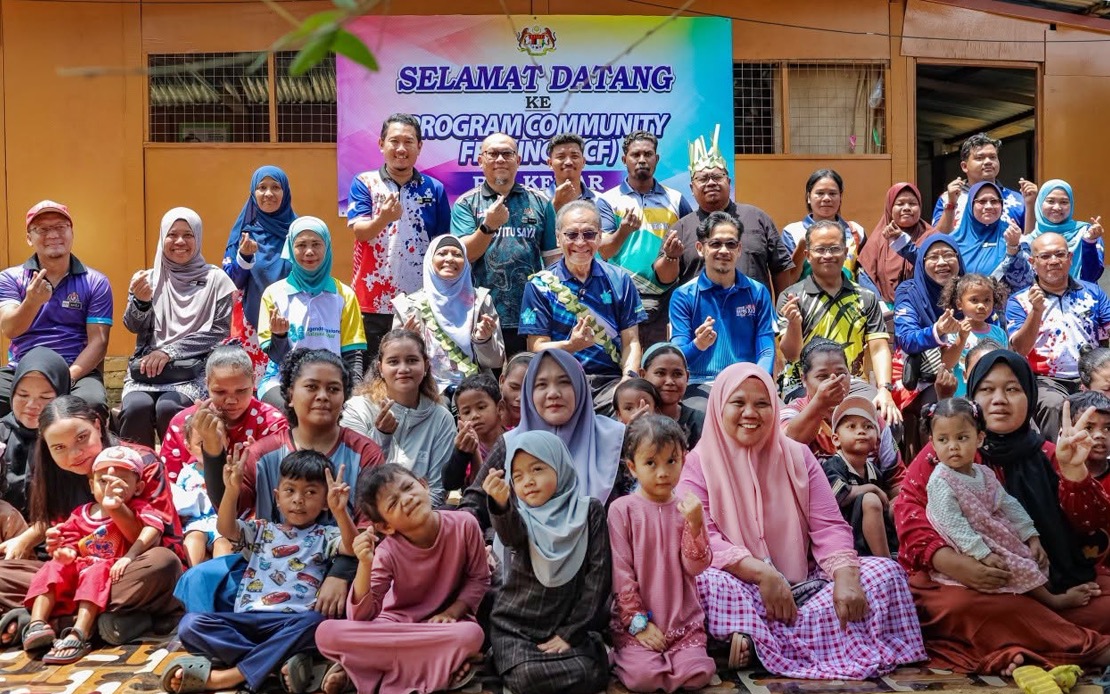
The Ministry of Health has committed RM500,000 towards strengthening healthcare infrastructure at Kemar Health Clinic in Gerik, Perak, addressing longstanding gaps in service delivery to the Orang Asli population in this remote region. Health Minister Datuk Seri Dr Dzulkefly Ahmad announced the allocation during an inspection of the facility, emphasizing that the investment represents a tangible step towards ensuring equitable healthcare access across Malaysia's most challenging terrain. The funding addresses multiple critical shortcomings that have hampered the clinic's capacity to serve indigenous communities who face unique geographical and logistical barriers to receiving timely medical care.
A significant portion of the allocation will finance construction of a new Boat Storage Facility, addressing a pressing operational constraint that has persisted for over a decade. The existing structure, now more than eleven years old, has deteriorated considerably and lacks sufficient capacity to house the clinic's fleet adequately. With space for only a single vessel, the facility has compromised the clinic's ability to properly maintain and protect these essential assets, which function as the primary lifeline for delivering healthcare to communities dispersed across waterways. This vulnerability has created unnecessary risks, as damaged or improperly stored boats directly translate to delayed emergency response times for patients requiring urgent medical intervention.
Beyond infrastructure improvements, the allocation encompasses procurement of critical operational assets including a four-wheel-drive vehicle to replace an aging transport resource that has likely reached the limits of its service life. The upgrade roster also includes acquisition of sophisticated medical equipment, specifically a Video Laryngoscope—a specialized tool essential for managing emergency airway procedures. This particular device represents the type of advanced diagnostic capability that can mean the difference between successful patient outcomes and medical complications, especially in remote settings where evacuation to tertiary facilities may require hours of travel through challenging conditions.
Complementing these clinic-based improvements, the Ministry has also introduced the Medik 8 Boat, a twelve-passenger multipurpose vessel commissioned at RM350,000. This addition expands the existing fleet of six boats, providing much-needed redundancy and increased transport capacity across the waterway network serving more than 4,500 Orang Asli residents in the RPS Kemar settlement area. The vessel's multipurpose design enables it to function for both routine clinic operations and emergency medical transportation, maximizing the return on investment while addressing the reality that water transport constitutes the only viable access route for many communities in this region.
Dr Dzulkefly's visit also highlighted ongoing efforts to construct an entirely new Kemar Health Clinic classified as Type 5 facility, signaling the government's intention to fundamentally upgrade the quality of infrastructure available to residents. Current plans indicate the new clinic will provide substantially improved physical conditions, encompassing modern amenities and expanded capacity that the existing structure cannot match. This longer-term investment reflects recognition that piecemeal facility improvements, while valuable, cannot indefinitely substitute for purpose-built modern healthcare infrastructure capable of delivering comprehensive services to a dispersed indigenous population.
The broader context for these investments becomes clearer when examining health outcomes among Orang Asli communities in the area. Over the past decade, the Community Feeding Programme (PCF) operating at RPS Kemar has demonstrated how targeted nutritional intervention can yield dramatic health improvements. The program, spanning 2015 to 2025, has systematically reduced childhood stunting from 75.2 percent to 50.8 percent—a remarkable decline that reflects the cumulative impact of structured feeding initiatives, vitamin supplementation, therapeutic nutritional products for malnourished children, and integrated healthcare delivery. Similarly, the underweight rate has fallen from 43.7 percent to 25.2 percent, underscoring how comprehensive nutritional support addresses foundational health vulnerabilities in vulnerable populations.
These figures illustrate that healthcare challenges in remote Orang Asli communities extend beyond immediate emergency response capacity; they encompass preventive care, nutrition security, and chronic health management across the lifespan. The PCF initiative's success provides empirical validation for a systems-based approach to indigenous healthcare that combines facility improvements, mobile medical services, and nutritional intervention programs. The dramatic reductions in malnutrition metrics suggest that when government resources are deployed strategically and sustained over extended periods, even deeply rooted health disparities can be substantially attenuated.
For Malaysian policymakers and health administrators elsewhere, Kemar's experience offers instructive lessons about remote healthcare provision. The emphasis on water-based transport infrastructure reflects the reality that many Southeast Asian indigenous communities cannot be effectively served through conventional road-based systems. Equipment such as Video Laryngoscopes, rather than representing luxury additions, become essential when rural healthcare workers must manage critical emergencies without rapid access to tertiary facilities. The investment in dedicated boat storage, seemingly mundane, addresses a fundamental operational reality: without proper asset maintenance protocols, expensive capital equipment degrades rapidly in tropical climates with high humidity and water exposure.
Dr Dzulkefly's invocation of the Malaysia MADANI principle—that healthcare constitutes an equal right transcending geographical circumstance—articulates the philosophical foundation for these infrastructure commitments. This framing explicitly rejects the notion that terrain or remoteness should determine healthcare quality, positioning investment in Orang Asli health services as an ethical imperative rather than a discretionary expense. The recognition of healthcare workers' sacrifice, particularly boat operators and field staff who navigate challenging conditions daily, also underscores an often-overlooked dimension of rural healthcare delivery: the human cost borne by personnel implementing these services.
The RM500,000 allocation should be understood not in isolation but as one component of a broader strategy addressing systemic health inequities affecting indigenous populations. The combination of immediate facility upgrades, equipment procurement, fleet expansion, and ongoing construction of modern facilities reflects a multi-layered approach acknowledging that sustainable health improvements require simultaneous attention to infrastructure, equipment, transportation, personnel support, and population-level nutritional interventions. For communities in Hulu Perak and similar regions where water constitutes both barrier and highway, such comprehensive investment frameworks represent the minimum required to approximate healthcare access standards available in urbanized areas.
Looking ahead, the trajectory of Kemar's development may serve as a model for other indigenous healthcare settings throughout Malaysia and the region. The documented success of the Community Feeding Programme provides evidence that sustained investment yields measurable outcomes, potentially justifying expanded replication. Meanwhile, the integration of modern medical technology with transportation infrastructure specifically adapted to local geography demonstrates how healthcare systems can be designed with contextual constraints in mind rather than imposed through standardized frameworks unsuited to diverse environments. As Malaysia continues developing its health infrastructure, the lessons from Kemar—combining strategic facility development, appropriate technology selection, and sustained programmatic commitment—will likely inform policy discussions about equitable rural healthcare provision.

