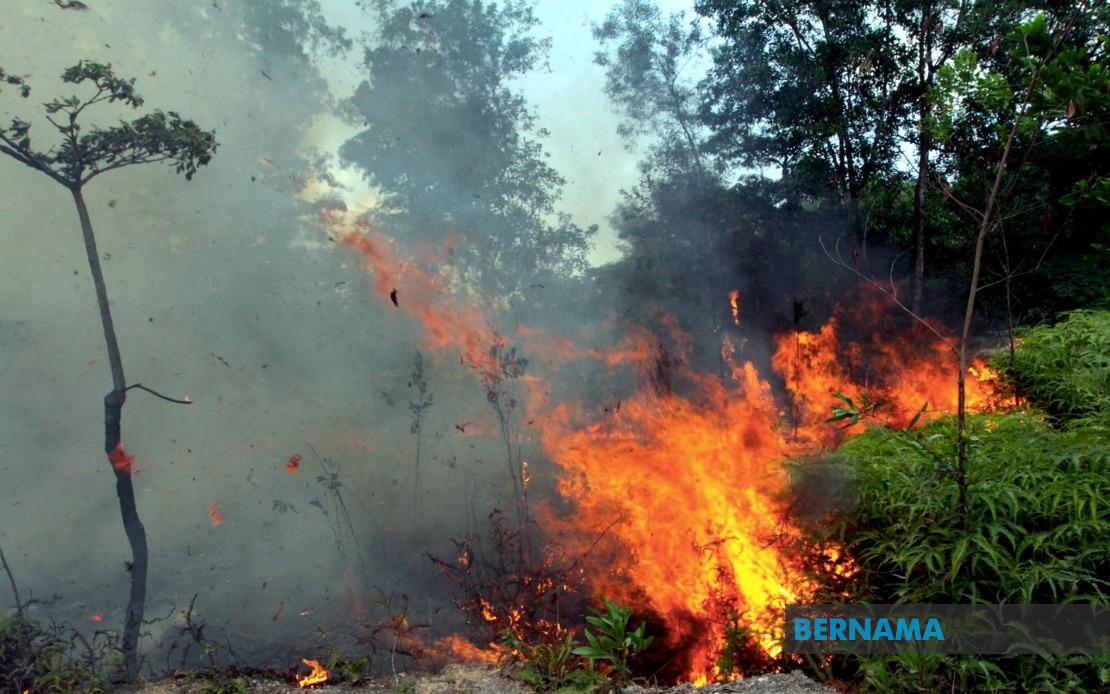
The Malaysian Fire and Rescue Department (JBPM) is moving decisively to strengthen its equipment and capabilities in anticipation of harsh dry conditions that could emerge when the Super El Niño phenomenon reaches Southeast Asia early next year. Department director-general Datuk Seri Nor Hisham Mohammad disclosed the comprehensive preparatory strategy at the opening of the 2026 Fire and Rescue Games (SUKBOM) in Kuala Lumpur, signalling that the authorities have begun a serious reckoning with the climatic challenges ahead.
The Super El Niño event, currently tracking towards the Pacific region by late November 2026, is projected to deliver its most severe impact to Malaysian territory by the end of January 2027. This phenomenon typically triggers extended dry seasons across the region, creating ideal conditions for rapid fire spread and complicating containment efforts. The timing places Malaysia's dry season and the El Niño effects in dangerous alignment, potentially creating a double crisis that could overwhelm conventional firefighting resources if the department does not adequately prepare.
To address this looming threat, JBPM has embarked on a substantial asset acquisition programme. The department has already received 80 fire engine pumps, with a commitment to receive 40 additional units before August's end, bringing the total intake of pumping equipment to 120 units. These additions represent a meaningful expansion of the department's water-delivery capacity, allowing firefighting teams to sustain operations over extended periods and across multiple simultaneous incidents, a critical capability when dealing with large-scale forest fires.
Equally significant is JBPM's procurement of 200 light four-wheel-drive operational utility vehicles, which Nor Hisham characterised as crucial first-responder assets. These vehicles will play a different but complementary role to traditional fire trucks. Rather than engaging large fires directly, the mobile units will initially conduct reconnaissance missions into affected areas, establish preliminary access routes for larger equipment, and attempt to extinguish smaller fires before they escalate. This staged response strategy maximises operational efficiency by deploying resources proportionally and preventing small incidents from spiralling into major conflagrations.
The strategic logic behind this procurement approach reflects lessons learned from previous fire seasons. By positioning lighter, more nimble vehicles as advance units, JBPM can penetrate challenging terrain and reach fire locations faster than traditional heavy equipment. The vehicles' off-road capabilities allow teams to establish perimeter access even when forest roads remain undeveloped or impassable, translating directly into improved response times and better containment outcomes. Enhanced mobility in the critical early stages of a fire substantially improves the probability of successful suppression before situations become unmanageable.
Nor Hisham emphasised that preparedness efforts extend beyond equipment alone. The department maintains concurrent focus on operations during the Southwest Monsoon period, the region's other significant weather pattern, ensuring that resource allocation remains balanced across seasonal variations. This dual-track approach prevents JBPM from becoming over-invested in a single scenario while neglecting routine operational demands. The risk calculation suggests that while Super El Niño represents the primary concern, abandoning vigilance during standard monsoon conditions would be imprudent.
Public compliance emerges as another critical dimension of JBPM's strategy. Nor Hisham publicly cautioned citizens against conducting open burning, emphasising that human-initiated fires pose an unpredictable wildcard during drought conditions. Even relatively small, containable fires can rapidly spread and become uncontrollable when triggered during dry season conditions, particularly if multiple fires ignite simultaneously across different localities. The department's public messaging strategy aims to reduce anthropogenic fire sources, thereby lowering the baseline pressure on firefighting resources during the critical period.
The 2026 SUKBOM championship, which attracted 1,384 competitors across 11 events, serves a dual purpose within JBPM's strategic framework. Beyond its immediate function as a competitive test of firefighting skills and physical conditioning, the games represent a talent selection mechanism for international representation. The department intends to identify high-performing athletes from the championship for potential assignment to the 2027 World Police and Fire Games scheduled in Perth, Australia. This approach ensures that Malaysia's international firefighting team comprises individuals proven capable of elite-level performance.
The Super El Niño scenario carries particular significance for Southeast Asian nations sharing Malaysia's geography and vegetation patterns. Regional neighbours including Indonesia and Singapore face analogous fire risks, particularly in peatland regions susceptible to underground combustion. Malaysia's investment in equipment and systems innovations therefore carries implications extending beyond domestic borders, establishing potential models for regional fire management cooperation. The phenomenon also underscores the accelerating intersection between climate volatility and emergency response capacity, a challenge confronting governance systems across the developing world.
For Malaysian policymakers, the JBPM initiative reflects a broader recognition that climate-related disasters demand anticipatory rather than purely reactive responses. By initiating procurement and deployment strategies well in advance of the Super El Niño arrival, the department positions itself to absorb and manage the anticipated stress on emergency services. This proactive posture contrasts with historical patterns wherein governments often scrambled to mobilise resources after crises materialised, typically with suboptimal results and substantial damage.
The scale of resource commitment—120 additional pumps and 200 new vehicles—represents a tangible political investment in disaster preparedness, though questions remain regarding adequate staffing, training integration, and maintenance protocols for the expanded fleet. The equipment's deployment effectiveness ultimately depends on human factors including personnel deployment strategy, command coordination systems, and sustained funding for ongoing operations beyond the initial acquisition phase. Sustaining preparedness across the extended period from now through the projected crisis window in early 2027 demands consistent institutional commitment and budgetary allocation.

