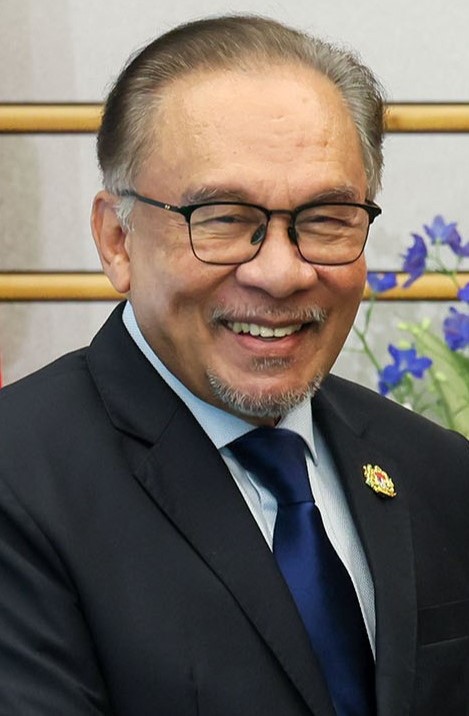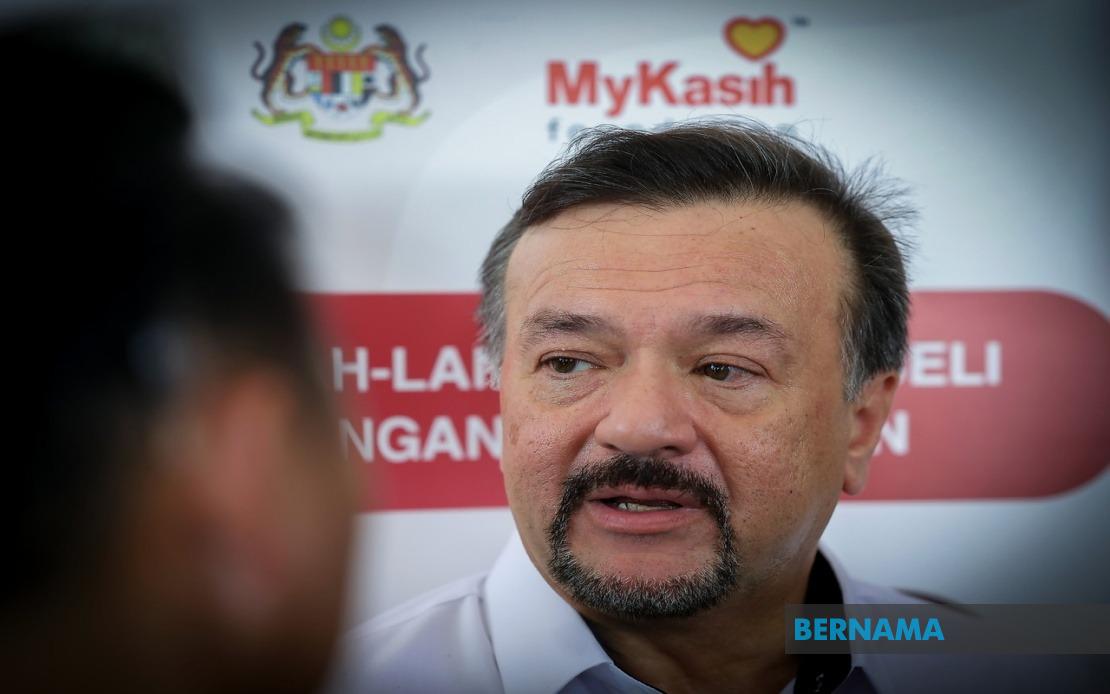
The Malaysian government is maintaining a receptive stance towards potential improvements to the BUDI MADANI Diesel programme, with Finance Minister II Datuk Seri Amir Hamzah Azizan indicating that the Ministry of Finance will evaluate any formal proposals through the lens of empirical evidence rather than preliminary concerns. Speaking in Kuching following a media briefing on targeted diesel subsidy reforms, Amir Hamzah outlined a pragmatic approach that prioritises implementation data over speculative adjustments, a methodology the government has previously deployed across other subsidy initiatives.
The diesel subsidy scheme has already attracted scrutiny regarding quota allocation, with some stakeholders questioning whether the prescribed monthly limits adequately serve commercial users with higher fuel demands. However, the Finance Ministry's position reflects confidence that early operational metrics will reveal whether the current structure meets genuine user requirements or requires calibration. This cautious approach represents a departure from reactive policy-making, instead anchoring decisions to measurable consumption patterns across the first months of programme rollout.
Minister Amir Hamzah cited preliminary data spanning January through May as validation for the wait-and-measure strategy. The findings indicate that only 0.76 per cent of users exceeded 200 litres monthly, a statistic the ministry interprets as evidence that quota constraints are not yet presenting widespread operational friction. This granular insight into user behaviour provides the empirical foundation upon which future policy modifications would logically rest, rather than permitting anecdotal complaints or sector-specific lobbying to drive subsidy architecture without supporting evidence.
The government's institutional memory from implementing targeted fuel support elsewhere informs the current deliberative approach. When the RON95 petrol subsidy programme was rolled out, comparable concerns surfaced regarding inadequate quota ceilings. Yet subsequent data collection revealed that apprehensions, though understandable, did not reflect proportional demand across the user base. This historical experience has plainly shaped ministerial thinking about the diesel initiative, encouraging patience during the establishment phase rather than pre-emptive structural overhauls.
The e-hailing sector provides an even more instructive precedent within government subsidy administration. When targeted fuel support commenced for ride-sharing drivers, initial feedback flagged insufficient monthly allocations that threatened service viability. Rather than dismissing these concerns, the Finance Ministry commissioned detailed usage tracking through platform operators, permitting granular analysis of consumption patterns among different driver cohorts. This investigation revealed meaningful variation in fuel requirements, with some drivers demonstrating substantially higher consumption justified by extended working hours or longer route networks.
That evidence-based review produced the tiered quota system now operational across Malaysia's e-hailing industry, whereby drivers access either 600 litres or 800 litres monthly contingent upon validated consumption data. This dual-level structure emerged not from bureaucratic intuition but from empirical measurement, demonstrating the government's willingness to introduce programme complexity when usage data justifies differentiation. The e-hailing model represents a template that officials may apply to diesel subsidies should consumption analysis support quota stratification.
Amir Hamzah's emphasis on permitting "the system to run first" reflects institutional discipline around subsidy design. Premature modifications risk introducing inefficiencies, inflating fiscal burden, or rewarding marginal users at the expense of genuinely dependent beneficiaries. By contrast, allowing sufficient operational runway enables administrators to distinguish between teething problems inherent to any new initiative and structural design flaws warranting intervention. This distinction carries material budget implications, particularly crucial for diesel subsidies that carry significant fiscal weight within broader subsidy architecture.
The Finance Ministry's openness to proposals does not constitute blank-cheque commitment to every suggested enhancement. Rather, it establishes a gatekeeping mechanism where propositions undergo evaluation against usage metrics and programme objectives. This framework prevents both premature entrenchment of potentially flawed designs and endless tinkering responsive to narrow interest groups. The ministry signalled that any increase to allocated quotas would require demonstration that current limits inhibit legitimate user activity meaningfully and consistently.
For Malaysian commercial operators and logistics enterprises reliant on diesel, this ministerial statement offers measured reassurance. It confirms government receptivity to genuine hardship while imposing a reasonable evidentiary standard for policy modification. Companies experiencing genuine quota constraints would be wise to document consumption patterns rigorously and participate in ministry consultations, as anecdotal testimony alone is unlikely to persuade decision-makers absent supporting data. Conversely, the stance cautions against speculative quota requests unsupported by operational justification.
Works Minister Datuk Seri Alexander Nanta Linggi's presence at the Kuching briefing underscored cross-portfolio coordination around subsidy implementation, suggesting that infrastructure and logistics perspectives inform diesel subsidy calibration. This inter-ministerial engagement reflects recognition that fuel subsidies intersect with transportation networks, construction schedules, and delivery economics across multiple government portfolios. Sustaining such coordination as the programme matures will likely prove essential to identifying genuine implementation challenges versus temporary adjustment friction.
The government's signalled flexibility carries implications beyond the immediate diesel subsidy architecture. It reinforces an emerging governance pattern favouring evidence-based subsidy management over ideologically-driven programme design or perpetual expansion. For Malaysian taxpayers, this approach potentially constrains subsidy creep while maintaining targeted support for genuinely disadvantaged users. For policymakers across Southeast Asia observing Malaysian subsidy administration, the BUDI Diesel experience may offer instructive lessons in implementing fiscally sustainable targeted support without sacrificing administrative flexibility.
As the BUDI Diesel programme advances beyond its initial implementation phase, the government's commitment to data-driven evaluation will face practical tests. Genuine hardship cases will emerge, pressuring ministers to approve quota increases. The critical question will be whether political pressure can be resisted in favour of the empirical methodology Amir Hamzah articulated. If the ministry maintains its stated position through the inevitable lobbying campaigns ahead, it may establish a durable template for future subsidy innovations. However, if early political difficulties trigger premature programme expansion, the rigorous framework currently outlined risks becoming rhetorical window-dressing for continued fiscal expansion.