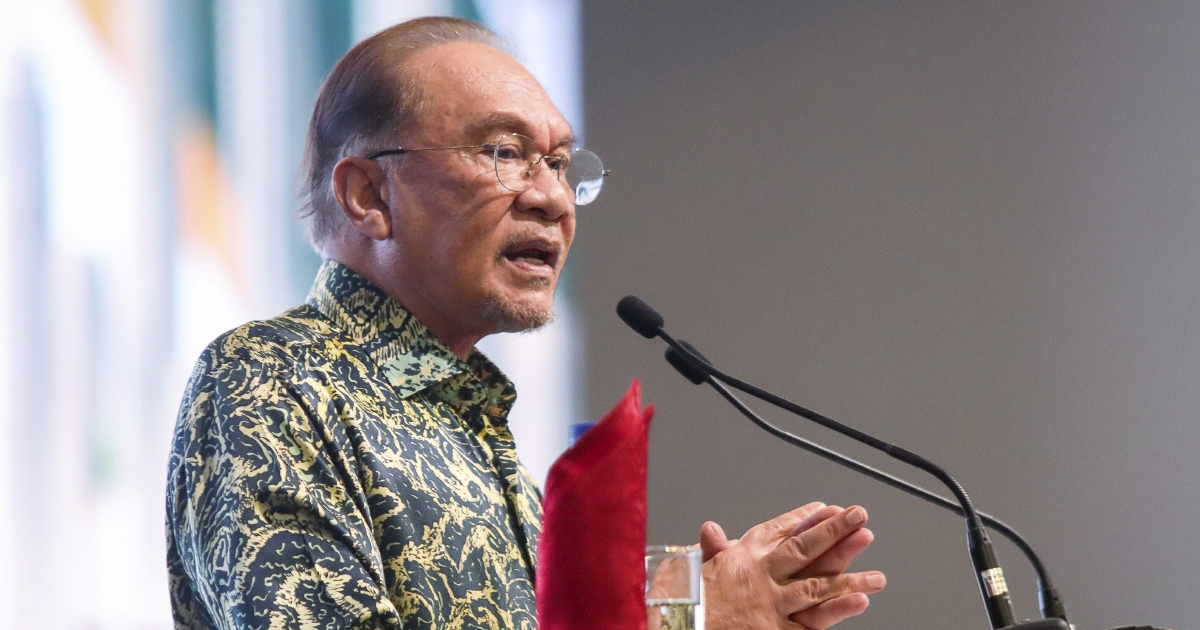
Prime Minister Datuk Seri Anwar Ibrahim has declared that bringing Formula One back to Malaysia will demand a relatively modest RM16 million investment, primarily directed towards essential refurbishment work at the Sepang International Circuit. The announcement, made in Tampin, signals the government's confidence that the track can be rapidly restored to international standards without imposing a substantial financial burden on the nation's coffers.
The revelation carries particular significance for Malaysia, which last hosted the F1 Grand Prix in 2017 before the event was discontinued due to financial and commercial considerations. The Sepang circuit, which opened in 1999 and rapidly established itself as a marquee venue on the global motorsport calendar, had been experiencing declining spectator numbers and commercial interest in its final years as an F1 host. That trajectory prompted organisers to redirect the championship elsewhere, leaving Malaysian racing enthusiasts without their signature international motorsport spectacle for half a decade.
Anwar's announcement addresses longstanding concerns about the financial viability of restoring F1 to the country. Previous discussions about a potential return had often foundered on disagreements about funding, track modifications, and the broader commercial case for the investment. By framing RM16 million as the primary cost requirement, the Prime Minister appears to be removing a significant psychological barrier that had hindered negotiations with the sport's global governing body and commercial rights holders. The figure suggests that much of Sepang's existing infrastructure remains sound and serviceable, requiring only targeted upgrades rather than wholesale reconstruction.
The Sepang International Circuit, located approximately 70 kilometres south of Kuala Lumpur in Selangor, was designed to meet the technical specifications demanded by the Federation Internationale de l'Automobile and has hosted numerous major motorsport events beyond Formula One, including the Motorcycle Grand Prix series. Its facilities encompassed a modern pit complex, extensive hospitality suites, and state-of-the-art timing and broadcast systems that, while aging somewhat, were fundamentally engineered to international standards. This existing foundation substantially reduces the scope and cost of preparation work needed to satisfy contemporary F1 requirements.
For Southeast Asia's motorsport enthusiasts and the broader regional economy, the prospect of F1's return to Malaysia represents far more than sporting spectacle. The Grand Prix generates considerable tourism revenue, as international visitors travel to witness the event whilst often extending their stays to explore Malaysian attractions. Hotels, restaurants, retail establishments, and transportation services all benefit from the influx of high-spending visitors from across the globe. Additionally, the championship race provides Malaysia with invaluable international media exposure, projecting the nation's brand onto the global stage through television broadcasts reaching hundreds of millions of viewers worldwide.
The economic arguments extend beyond the immediate race weekend. Hosting F1 affirms Malaysia's position as a destination for premium sporting and entertainment experiences, potentially attracting other major international events whilst enhancing the nation's prestige within the global sporting community. The Sepang circuit itself employs hundreds of workers directly and supports a broader ecosystem of suppliers, contractors, and service providers throughout the region. A return to F1 racing would resurrect those employment opportunities and stimulate activity in related industries including hospitality, security, logistics, and infrastructure management.
Anwar's statement also reflects shifting political and economic calculations at the highest levels of government. Previous Malaysian administrations had determined that the costs and complexities of maintaining F1 operations outweighed the benefits, particularly against competing demands on public resources. The current government's apparent willingness to reinvest in the championship suggests either that external negotiations with F1's commercial operators have become more favourable, or that political leadership has reassessed the strategic value of the event to Malaysia's international positioning and tourism infrastructure.
From a technical perspective, the outlined RM16 million budget would likely concentrate on track surface maintenance, updating safety systems to align with contemporary F1 standards, refreshing medical and rescue facilities, upgrading broadcast technology, and enhancing general amenities across spectator and operational areas. Modern Formula One imposes rigorous requirements regarding circuit kerbing, run-off areas, barrier specifications, and emergency response capabilities—requirements that evolve regularly as the sport prioritises driver safety. Sepang would need to demonstrate compliance with these standards before receiving official sanction to host the championship.
The timeline for F1's potential return remains unclear, though Anwar's public articulation of specific costs suggests that discussions with the sport's governing structures have progressed beyond preliminary stages. The Formula One World Championship is scheduled across multiple continents with competing venues always seeking to secure or maintain positions on the calendar. Malaysia would need to negotiate a slot, likely displacing another circuit or adding an additional race to the calendar—factors that involve complex commercial and logistical arrangements extending well beyond simple circuit preparation.
Regional rivals have observed these developments with varying degrees of interest. Singapore's iconic night race continues to draw substantial patronage and media attention, whilst other Southeast Asian nations periodically express interest in hosting future championships. Malaysia's demonstrated readiness to invest in F1's return, combined with its established track record and modern facilities, positions the country competitively within regional motorsport politics. A successful restoration of the championship would reinforce Malaysia's credentials as a premier sporting destination and potentially influence decisions regarding other international events.
Looking forward, the sustainability of Malaysia's F1 commitment will depend on demonstrating robust public and private sector support beyond the initial investment phase. The championship imposes ongoing operational costs, and sustained commercial viability requires maintaining spectator interest and securing sponsorship agreements. These considerations likely formed part of Anwar's broader assessment when determining that the RM16 million preparation figure represented acceptable value for the nation's sporting ambitions and economic development strategy.

