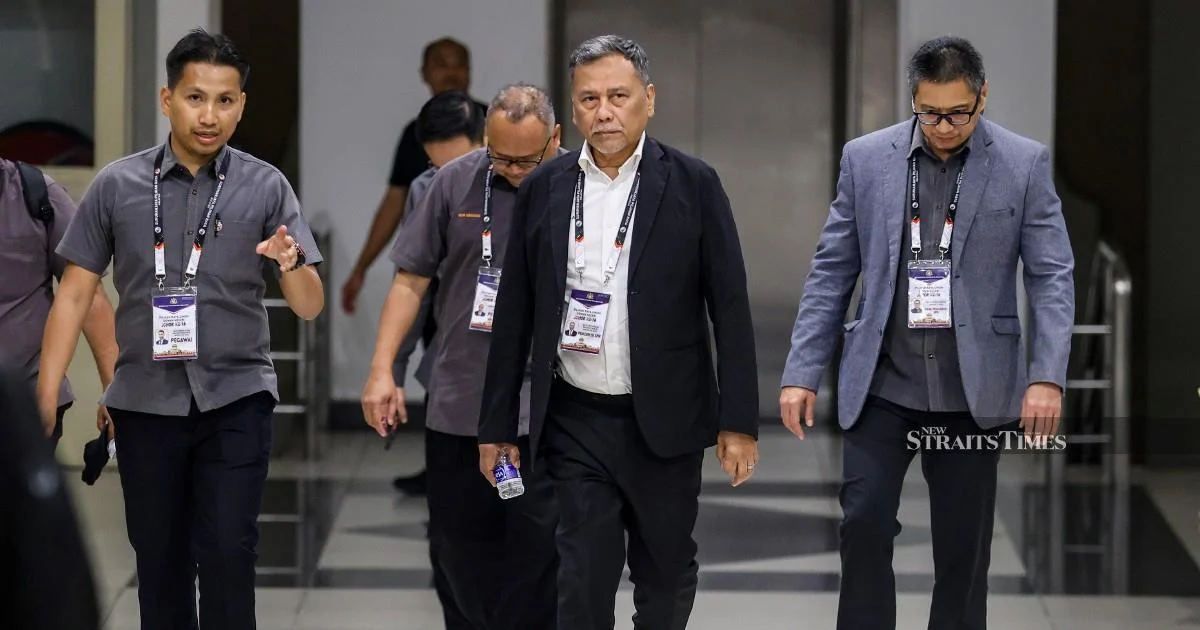
The Election Commission has signalled its intention to conduct a comprehensive review of cases involving voters who share photographs of their completed ballot papers on social media platforms, marking a fresh regulatory effort to safeguard the integrity of Malaysia's electoral process.
This development underscores mounting concern within electoral authorities about a practice that has become increasingly common in the digital age, where citizens document and broadcast their voting choices across networks like Facebook, Instagram, and WhatsApp. The issue represents a modern challenge to traditional notions of ballot secrecy, a cornerstone principle of democratic elections that Malaysia's electoral framework seeks to uphold.
The Election Commission's decision to scrutinise these cases more rigorously comes at a time when digital literacy and social media engagement have transformed how Malaysians interact with civic processes. Voters who share marked ballot photos may inadvertently—or deliberately—be circumventing regulations designed to prevent vote-buying schemes, undue influence, and coercion. Such photographs can serve as proof of voting compliance to those attempting to manipulate electoral outcomes, creating enforcement challenges for authorities.
From a legal standpoint, Malaysia's electoral laws prohibit the removal of ballot papers from voting booths and contain provisions regarding improper conduct during polling. The practice of photographing marked ballots sits in a complex grey area: while the act of voting is protected, the subsequent documentation and dissemination of ballot choices raises questions about compliance with electoral statutes. The Commission's review will likely examine whether existing regulations adequately address this contemporary phenomenon or whether new legislative frameworks are required.
The timing of this initiative reflects broader regional and global conversations about election security in the digital era. Other democracies have grappled with similar issues as smartphones have become ubiquitous and social media participation has normalised the documentation of personal experiences. Thailand, Singapore, and Indonesia have all confronted comparable challenges in recent election cycles, prompting authorities to balance free expression with electoral integrity.
For Malaysian political campaigns and observers, the Commission's investigative stance carries significant implications. During election periods, particularly those involving closely contested races, the temptation to share voting evidence increases. Political operatives seeking to verify supporter compliance may encourage such behaviour, creating a secondary enforcement problem. The Commission's willingness to review these cases signals that such practices will face scrutiny, potentially deterring future incidents.
The social implications extend beyond procedural concerns. The normalisation of ballot photo-sharing can erode the principle of voting as a private act, transforming a constitutionally protected choice into a public declaration subject to social judgment or familial pressure. In Malaysian contexts, where community and family dynamics remain influential in many regions, the public documentation of voting choices could inadvertently enable informal coercion mechanisms at odds with democratic principles.
Technologically, investigating these cases presents practical difficulties. Social media platforms operate across jurisdictional boundaries, and content removal or evidentiary collection requires cooperation with technology companies and may involve privacy considerations. The Commission will need to balance thorough investigation with respect for individual privacy rights, particularly since voters may share such images without malicious intent, viewing them as expressions of civic participation rather than electoral violations.
The regulatory approach the Commission ultimately adopts will likely influence public behaviour in forthcoming elections. Clear communication regarding the potential consequences of sharing ballot photographs, coupled with transparent enforcement, could effectively discourage the practice without requiring stringent new legislation. Conversely, inadequate clarity may result in continued instances of photo-sharing as voters remain unaware of regulatory boundaries.
This initiative also reflects Malaysia's broader commitment to election integrity mechanisms. The Election Commission operates within a framework that has evolved significantly over the past two decades, incorporating international best practices and responding to emerging threats to electoral validity. The investigation into ballot photo-sharing demonstrates institutional adaptability in addressing challenges that the framers of existing electoral legislation could not have anticipated.
For election observers, civil society organisations, and international monitors, the Commission's approach to this issue will contribute to assessments of electoral integrity standards. Effective handling of the ballot photo phenomenon could enhance Malaysia's credibility as a functioning democracy that actively protects electoral processes, while perceived inaction or inconsistent enforcement could undermine public confidence.
The practical consequences of this review will become apparent during the next major elections, whether at federal or state levels. The Commission's findings and any resulting guidance or enforcement actions will establish precedent and signal institutional priorities. Stakeholders, including political parties, campaign managers, and social media platforms themselves, will likely await clarification regarding regulatory expectations and compliance requirements.

