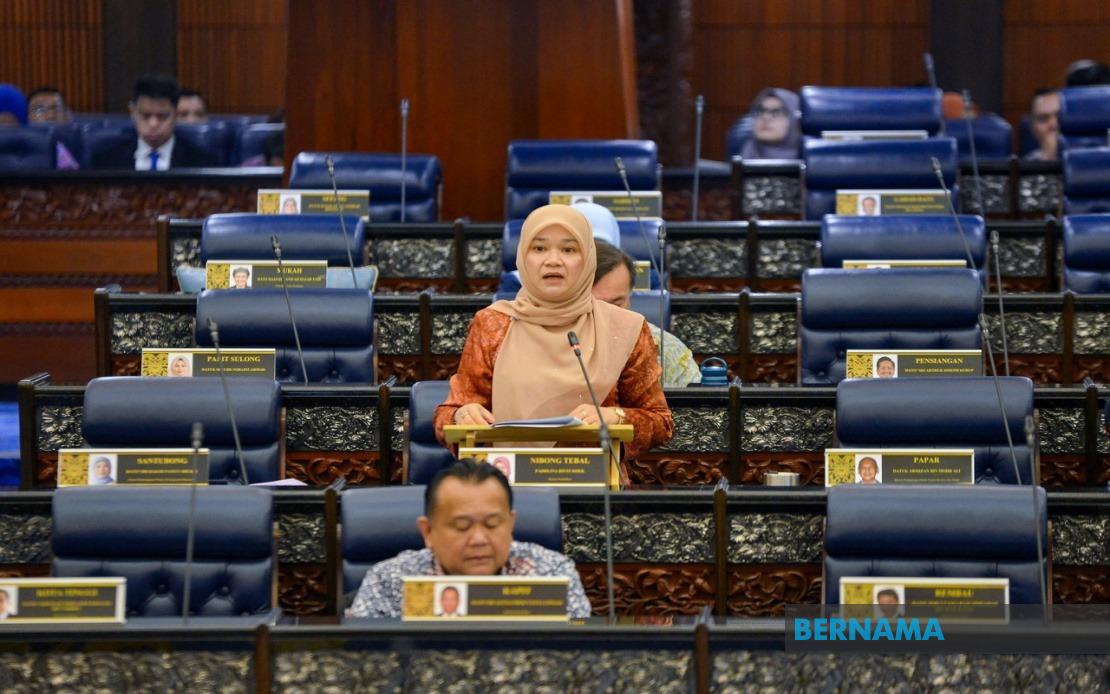
Malaysia's Ministry of Education has committed to a more rigorous and individualised approach to tackling school safety concerns, with Education Minister Fadhlina Sidek announcing a suite of strengthened measures during parliamentary question time. Rather than applying blanket solutions, the ministry will evaluate each incident involving student safety on its own merits, recognising that different situations arise from distinct combinations of physical, emotional and psychological factors affecting the school environment.
The ministry's enhanced safety strategy rests on establishing a dedicated committee that brings together representatives from various government agencies and external organisations. This multi-stakeholder approach reflects a broader understanding that school safety encompasses far more than traditional security measures. By coordinating across sectors, the ministry aims to create a comprehensive ecosystem where physical protection, psychological support and behavioural intervention work in concert to genuinely safeguard students.
A significant recent development is the launch of the Safe School Management Guidelines and School Student Protection Policy on June 11, which now provides the foundational reference document for all educational institutions nationwide. These guidelines establish standardised protocols for addressing safety across multiple dimensions: physical infrastructure, student behaviour, mental health support and community engagement. Schools can now draw on a nationally consistent framework while adapting implementation to their specific contexts and student populations.
The ministry has secured partnership with the National Institute of Occupational Safety and Health, which brings technical expertise in building safety, drainage systems and fire prevention. This collaboration ensures that physical infrastructure assessments meet professional occupational safety standards, moving beyond superficial inspections to address underlying structural and systems-level vulnerabilities. Training programmes are simultaneously being rolled out to strengthen safety coordination capabilities among school administrators and designated safety officers.
Bullying remains a significant concern across Malaysian schools, particularly as parents increasingly voice anxieties about their children's wellbeing. The Anti-Bullying Act 2026, which came into effect on June 16, represents legislative recognition of bullying as a serious matter requiring formal intervention. The ministry is updating its bullying case-handling guidelines to align with this new legislative framework, ensuring that school responses meet legal standards while addressing the underlying causes and psychological impacts of bullying incidents.
CCTV installation is being dramatically expanded as part of the safety infrastructure upgrade. Schools will see camera coverage increase from 200 installations in 2025 to 333 by the end of this year, providing enhanced visibility across campuses. While surveillance technology is not a complete solution, expanded CCTV creates accountability mechanisms and aids investigations, particularly in documenting incidents and supporting evidence gathering for intervention and disciplinary processes.
Night-time safety at residential schools receives particular attention through the appointment of 300 hostel wardens beginning April 1. These additional supervisory staff will strengthen monitoring during evening and overnight hours when students are away from classroom supervision. This targeted investment recognises that boarding students face distinct safety challenges and require dedicated oversight during their most vulnerable periods.
When addressing bullying concerns, the ministry emphasises comprehensive case assessment involving certified counsellors who can evaluate both immediate incidents and underlying dynamics. School counselling services thus move beyond crisis response to include preventive work with potential perpetrators and support for affected students. The Parent-Teacher Association and broader parent involvement initiatives create accountability and communication channels, ensuring that families are active participants in safety protocols rather than external observers.
The five-pillar framework guiding the ministry's efforts—prevention, monitoring, reporting, intervention and enforcement—provides a logical progression from early detection through to accountability measures. Prevention activities include awareness campaigns and skill-building, monitoring involves the audits and CCTV systems, reporting mechanisms ensure incidents reach appropriate officials, intervention provides counselling and mediation, and enforcement through school discipline and legal channels addresses serious violations.
For Malaysian parents and students, this coordinated approach signals that school safety is receiving elevated attention and resource allocation. The framework moves beyond reactive crisis management toward proactive systems-building. However, effective implementation depends on consistent resourcing, adequate training of school personnel, and genuine commitment from all stakeholders including students themselves in promoting positive school cultures.
The involvement of private sector and community organisations alongside government agencies suggests recognition that schools operate within broader communities. Business participation in safety initiatives, community policing arrangements and local civil society engagement all contribute to creating safer environments that extend beyond school boundaries. For young people in increasingly complex urban and semi-urban settings, this comprehensive approach acknowledges that their safety depends on coordinated action across multiple institutions.
Implementing these safety measures nationwide across Malaysia's diverse school system—ranging from urban comprehensive schools to remote rural institutions—presents considerable logistical challenges. Resource allocation, training delivery consistency and sustained inter-agency coordination will determine whether these frameworks translate into genuine improvements in student wellbeing and protection across the country.

