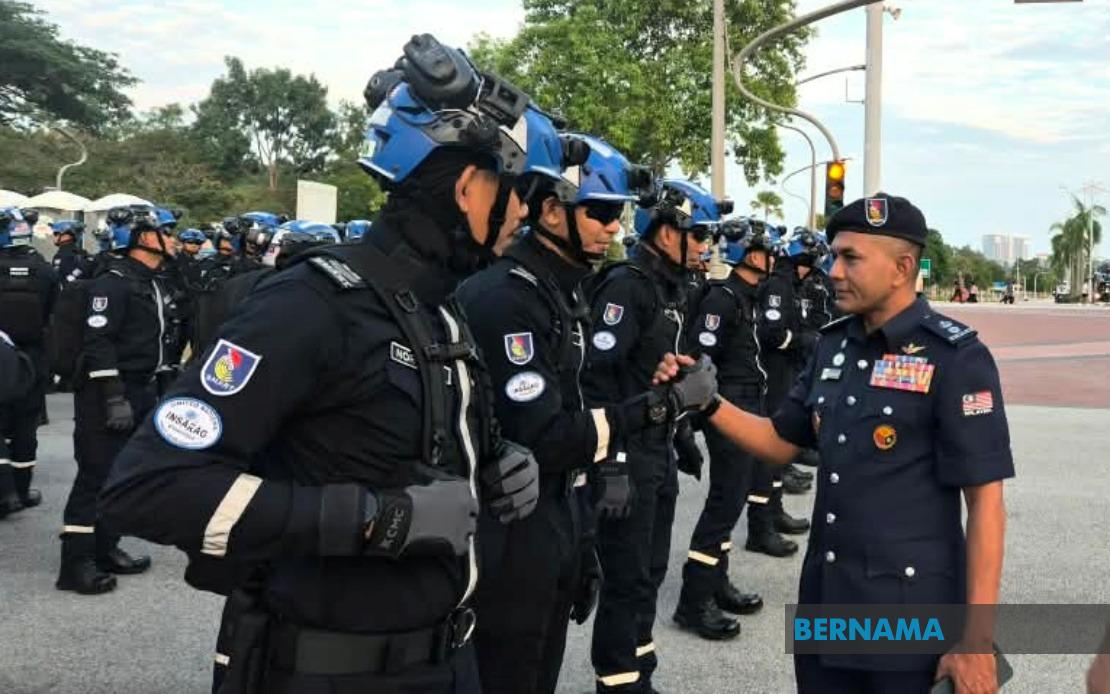
Malaysia's specialist disaster rescue contingent is standing by to mobilise toward Nepal following one of South Asia's deadliest natural disasters in recent years, with officials confirming preparedness but awaiting formal approval from the Nepalese authorities. Speaking during Malaysia's National Day 2026 celebrations at Dataran Putrajaya yesterday, the commander of the Special Malaysia Disaster Assistance and Rescue Team (SMART), Senior Fire and Rescue Officer 1 Abdul Manaf Che Isa, indicated that coordination channels remained active with Nepal's government regarding the timing and logistics of the deployment.
The devastating floods and landslides that struck Nepal's Rasuwa District on August 26 have created a humanitarian emergency of significant proportions. As of the latest available figures, the death toll across Nepal and China's Tibet region has climbed to 804 people, with approximately 3,300 individuals still unaccounted for. The disaster has triggered regional concern among neighbouring nations and prompted Malaysia's government to commit substantial resources toward relief and rescue operations.
Prime Minister Datuk Seri Anwar Ibrahim announced yesterday that Malaysia's MADANI Government had formally decided to despatch the 112-member SMART contingent to assist in search and rescue operations. Beyond immediate rescue efforts, the mission will focus on locating and bringing home Malaysian nationals who have been affected by the catastrophe, while providing critical support to the Malaysian Embassy in Nepal as it coordinates humanitarian assistance and ensures the safety of Malaysian citizens in the affected regions. The complexity of coordinating a cross-border rescue mission during such emergencies requires careful diplomatic groundwork and operational planning.
As of late August, Malaysian authorities reported that 36 Malaysians remained uncontactable in China and 55 in Nepal following the disaster. The dual-country impact reflects how the flooding and landslides affected a broader geographical swathe than initially anticipated, complicating rescue coordination efforts across national boundaries. For Malaysian families with relatives in the region, the uncertainty has created considerable anxiety, making the swift deployment of Malaysian rescue personnel a matter of urgent concern.
Beyond the dispatch of the SMART team, Malaysia has pledged one million United States dollars to Nepal to support immediate relief operations and longer-term reconstruction efforts. This financial contribution underscores Malaysia's commitment to regional disaster assistance and reflects the interconnected nature of Southeast and South Asian communities. Malaysia's willingness to provide both human and financial resources demonstrates a practical approach to international humanitarian response during crises.
The operational readiness of the SMART contingent, led by Captain Plaveanus Bernard, suggests that Malaysian authorities have accelerated preparations following the Prime Minister's announcement. The team underwent final inspections as recently as the National Day celebrations, indicating active mobilisation despite awaiting formal clearance from Nepal's government. This preparatory stance positions Malaysia to respond swiftly once diplomatic protocols have been satisfied and Nepal confirms its readiness to receive international rescue personnel.
Coordination between Malaysia's Foreign Ministry (Kementerian Luar Negeri), National Security Council (Majlis Keselamatan Negara), and National Disaster Management Agency (Agensi Pengurusan Bencana Negara) will be essential for managing the deployment logistics. Each institution plays a distinct role in ensuring that rescue operations comply with international protocols, maintain diplomatic channels with Nepal, and operate within Malaysia's national security framework. The inter-agency coordination reflects the complex governance structures required for effective international disaster response.
For regional observers, Malaysia's response typifies how Southeast Asian nations increasingly position themselves as contributors to broader Asian humanitarian efforts. The involvement of Malaysian expertise in search and rescue operations, particularly in a mountainous terrain presenting significant logistical challenges, demonstrates the technical capacity that Malaysian institutions have developed. Nepal's decision to accept international assistance will likely influence how other regional powers approach similar crises in coming years.
The situation also highlights the vulnerability of developing South Asian nations to extreme weather events and geological hazards. August floods in the Himalayas and Tibetan plateau regions often result from monsoon patterns and topographical conditions that make certain areas particularly susceptible to flash flooding and landslides. Nepal's positioning at a natural hazard intersection makes it repeatedly vulnerable to such catastrophes, creating ongoing demand for international disaster response capacity.
For Malaysian policymakers, the Nepal situation offers lessons about disaster preparedness and the importance of maintaining well-trained, deployable rescue teams capable of rapid international mobilisation. The establishment and maintenance of SMART represents a significant investment in regional capacity-building and demonstrates Malaysia's commitment to being a reliable partner during humanitarian emergencies. The team's readiness signals that despite competing budget priorities, Malaysia continues prioritising its ability to respond to large-scale disasters affecting neighbouring populations.
The awaiting of Nepal's formal clearance, while potentially frustrating given the urgency, reflects standard international protocols governing cross-border rescue operations. Nations typically require approval processes to ensure coordinated efforts with domestic agencies, clearance for foreign personnel, and logistical arrangements for accommodating international teams. Once Nepal provides the green light, the Malaysian contingent's pre-positioned status should enable relatively rapid deployment to areas where rescue operations can be most effectively conducted.
As recovery efforts in Nepal continue and the full extent of the disaster becomes clearer, Malaysia's contribution will form part of a broader international response involving multiple nations and humanitarian organisations. The Malaysian team's specific expertise in search and rescue operations, combined with their familiarity with diverse geographical terrain, positions them to contribute meaningfully to ongoing efforts. For the affected Malaysian citizens and their families, the deployment represents tangible evidence of government commitment to their welfare during a crisis unfolding far from home.

