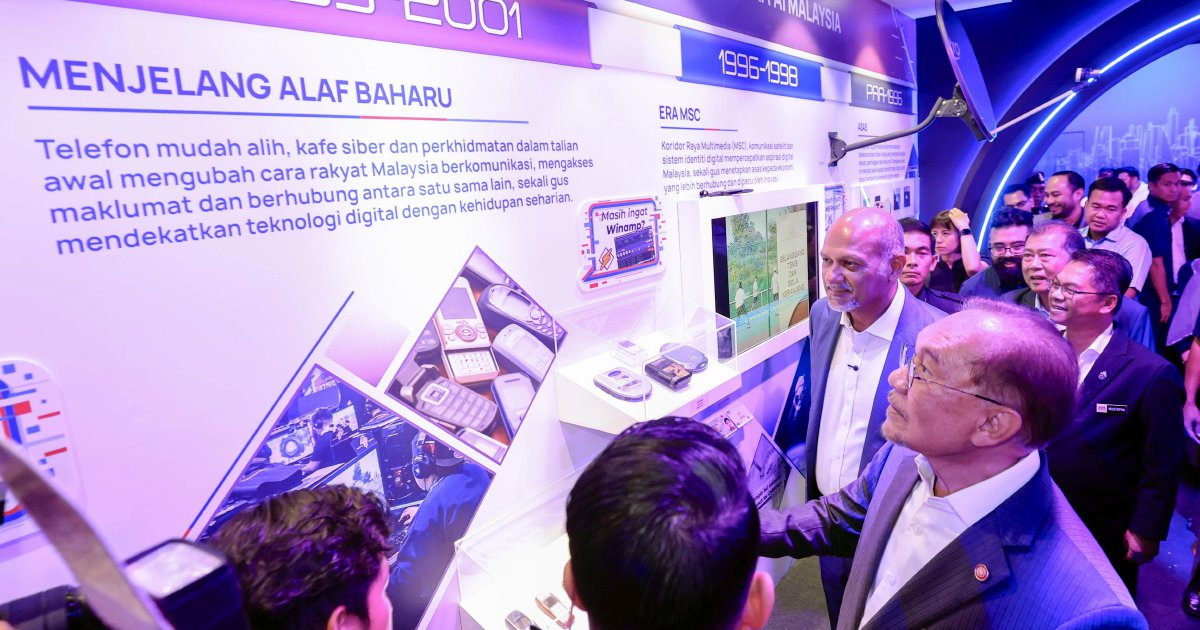
Prime Minister Datuk Seri Anwar Ibrahim has sounded an urgent alarm over the potential human cost of Malaysia's artificial intelligence drive, emphasizing that technological advancement must not become a mechanism for deepening existing inequalities between those positioned to benefit from digital innovation and those left stranded without access to these transformative tools.
Speaking from Cyberjaya, the technology hub that symbolizes Malaysia's aspirations to emerge as a regional and global AI powerhouse, Anwar articulated a concern that extends beyond typical economic growth metrics. His intervention suggests awareness that while AI promises unprecedented productivity gains and economic opportunities, the fruits of this technological revolution risk remaining concentrated among already-privileged segments of Malaysian society unless deliberate policy interventions ensure broader distribution of benefits.
This warning carries particular resonance within Malaysia's existing socioeconomic landscape. The nation already grapples with significant disparities in digital literacy, internet accessibility, and technological infrastructure between urban centers and rural regions, between major population centers and less-developed areas. As Malaysia invests heavily in artificial intelligence capabilities—particularly through initiatives in Cyberjaya and other technology corridors—the risk intensifies that these new opportunities will further entrench existing advantages held by urban, educated, and well-connected populations while marginalizing communities lacking foundational digital infrastructure and skills.
Anwar's intervention reflects a broader recognition among policymakers that technological progress divorced from inclusive development strategies creates destabilized societies. Countries worldwide have discovered that rapid automation and AI adoption without corresponding workforce reskilling and social safety nets can trigger political instability, rising unemployment among displaced workers, and deepening resentment toward elites perceived as benefiting disproportionately. For Malaysia, with its diverse population and ongoing regional economic competition, such outcomes would prove particularly damaging.
The challenge becomes especially acute in sectors where AI deployment can eliminate traditional jobs without simultaneously creating replacement opportunities for affected workers. Manufacturing, logistics, customer service, and data processing—all significant employment sectors in Malaysia—face potential disruption from artificial intelligence and automation technologies. Without proactive strategies to retrain displaced workers and create new industries, AI advancement could transform Malaysia's development trajectory from inclusive growth toward a model increasingly concentrating wealth and opportunity among technology-fluent elites.
Implementing Anwar's vision demands comprehensive policy architecture addressing multiple dimensions of digital equity. Educational institutions must expand training programs in AI literacy and related technical skills, particularly reaching students in underserved regions and vocational schools serving non-university-track populations. Digital infrastructure investments must prioritize extending broadband coverage to rural areas, closing the persistent connectivity gap that renders technological opportunity meaningless for those unable to access networks. Government procurement policies can leverage market mechanisms to ensure AI benefits disseminate through small and medium enterprises, not merely multinational corporations and elite tech startups.
Malaysia's experience mirrors challenges confronting other Southeast Asian nations attempting similar technological leapfrogging. Thailand, Vietnam, and Indonesia all pursue AI development strategies while wrestling with comparable inequality concerns. Anwar's public positioning on this issue establishes Malaysia as thoughtful about development pathways, potentially attracting investors and partners persuaded that Malaysia seeks sustainable rather than extractive technological advancement.
The financial services sector offers instructive lessons. Early adoption of fintech and digital banking in Malaysia occurred unevenly, initially excluding populations lacking access to smartphones or banking literacy. Only subsequent policy efforts—including central bank mandates for financial inclusion and subsidized digital literacy programs—expanded benefits beyond early adopters. AI deployment risks replicating this pattern unless policymakers learn from previous experiences and embed equity considerations into strategy design from the outset.
Private sector engagement proves essential to implementing inclusive AI development. Technology companies, while pursuing commercial objectives, can direct investments toward applications benefiting broader populations. Partnerships between multinational tech firms and local enterprises might facilitate skills transfer and technology distribution more effectively than government initiatives alone. Anwar's implicit call involves business leadership recognizing that long-term market stability and growth require broad-based prosperity rather than concentrated advantage.
Regional implications deserve consideration as well. Southeast Asia's competitiveness increasingly depends on human capital and technological sophistication. If Malaysia pursues AI development creating internal inequalities and social dislocation, the country risks losing competitive advantage through internal instability and brain drain as talented individuals seek opportunities in more equitable societies. Conversely, demonstrating successful inclusive AI development could position Malaysia as a model for regional peers grappling with similar challenges.
Anwar's intervention also signals attention to environmental and sustainability dimensions often overlooked in AI discussions. Artificial intelligence deployment consumes substantial energy resources, raising concerns about carbon footprints and environmental justice. Communities often least able to influence technology deployment decisions bear disproportionate environmental costs from data centers and computing infrastructure. Genuinely inclusive AI development demands environmental accountability alongside social equity.
The timeline for action compresses as AI capabilities advance rapidly. Decisions made during Malaysia's current strategic positioning phase will prove difficult to reverse once technological and organizational structures solidify. Establishing equity principles now, through regulation, investment priorities, and partnership frameworks, offers far better prospects than attempting remedial interventions after technological trajectories become entrenched and inequality patterns calcify.
Ultimately, Anwar's warning represents recognition that artificial intelligence constitutes not merely technological challenge but fundamentally political and social issue. How Malaysia orchestrates AI adoption will determine whether this transformative technology amplifies existing inequalities or contributes to genuine inclusive development. The Prime Minister's candid acknowledgment of these stakes suggests government awareness that sustainable competitive advantage requires shared prosperity, not concentrated technological privilege.

