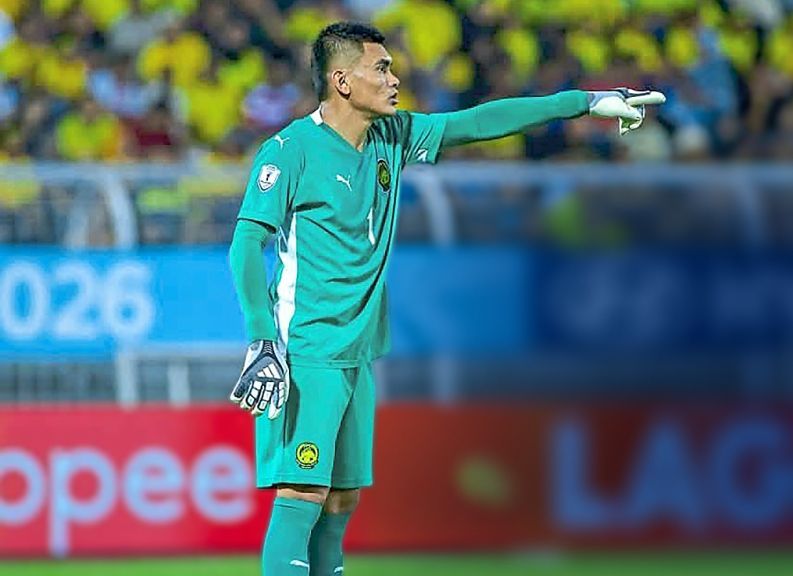
Malaysia's hopes of reaching the Hyundai AFF Cup final suffered a significant setback on Sunday when they capitulated 0-2 to Vietnam in the semi-final first leg at the Cheras Football Stadium in Kuala Lumpur. The defeat leaves the home side facing an uphill climb in the decisive second leg at the MyDinh Stadium in Hanoi, where they must overturn a two-goal deficit against a Vietnamese team that has dominated regional football in recent years.
The match quickly turned sour for Harimau Malaya when centreback Rodney Celvin Akwensivie was forced off the pitch in the 15th minute with an injury, forcing interim coach Tan Cheng Hoe to introduce young replacement Aysar Hadi Sapri. This early defensive disruption appeared to unsettle Malaysia's shape and coordination at the back, setting the tone for what would become a frustrating evening.
Malaysia did create opportunities to take the lead in the opening period, most notably in the 34th minute when they squandered a pair of gilt-edged chances separated by mere seconds. Leftback Faris Danish Asrul delivered a precisely weighted low cross that captain and striker Paulo Josue converted, only for goalkeeper Patrick Le Giang to produce a smart save. The rebound fell perfectly for midfielder Daryl Sham George with an empty net beckoning, but he inexplicably skied his effort over the crossbar and into the stands—a moment that would haunt Malaysia as the night progressed.
Vietnam seized the momentum before the interval when attacker Xuan Son rose unopposed to power home a perfectly crossed ball from wingback Truong Tien Anh in the 39th minute. The goal epitomised Malaysia's defensive vulnerabilities and set the template for Vietnam's clinical approach. The defending champions would control proceedings thereafter, exploiting spaces left by an increasingly desperate Malaysian side searching for an equaliser.
The second half saw Malaysia take a more proactive approach with greater possession and sustained pressure, while Vietnam resorted to hitting them on the counter-attack. This tactical shift nearly paid dividends early in the restart, but the Vietnamese goalkeeper remained composed under pressure. The match's most controversial moment came in the 60th minute when referee Rustam Lutfullin appeared to award a red card to Le Giang for allegedly handling the ball outside his penalty area. However, video assistant referee (VAR) intervention proved decisive, with the Uzbekistan official overturning the decision after reviewing footage that showed Le Giang cleared the ball with his feet rather than his hands.
Tan Cheng Hoe attempted to inject fresh impetus into the Malaysian attack by introducing winger Haqimi Azim Rosli and midfielder Ibrahim Manusi, who was making his international debut, in place of Mahamadou Sumareh and Syafiq Ahmad. These substitutions were designed to provide both defensive stability and creative thrust in the midfield, but Vietnam's rearguard proved too resolute to be breached.
The hosts' misery was compounded in the 86th minute when leftback Faris Danish Asrul turned the ball into his own net, effectively ending any lingering hopes of a remarkable comeback. The own goal, scored by a player who had otherwise performed admirably throughout the match, summed up Malaysia's inability to convert pressure into positive results.
The path forward presents considerable challenges for the Malaysian football federation and Tan Cheng Hoe's interim management team. Travelling to Hanoi to face Vietnam requires not only winning by three clear goals but also avoiding defeat in a fortress environment where the home side commands significant psychological advantage. The MyDinh Stadium has hosted many Vietnamese triumphs and rarely welcomes visiting teams' celebrations. Malaysia's task appears monumental, yet AFF Cup history occasionally produces unexpected narratives, and the second leg remains mathematically achievable if improbable.
For Southeast Asian football observers, this result reinforces Vietnam's status as the region's dominant force at tournament time. The visitors demonstrated the hallmarks of champions—clinical finishing, defensive solidity, and the ability to thrive in high-pressure knockout competition. Malaysia, conversely, must use the return fixture as an opportunity to salvage pride and demonstrate the resilience that occasionally defines regional football's most compelling encounters, even if their overall tournament aspirations have been significantly compromised.

