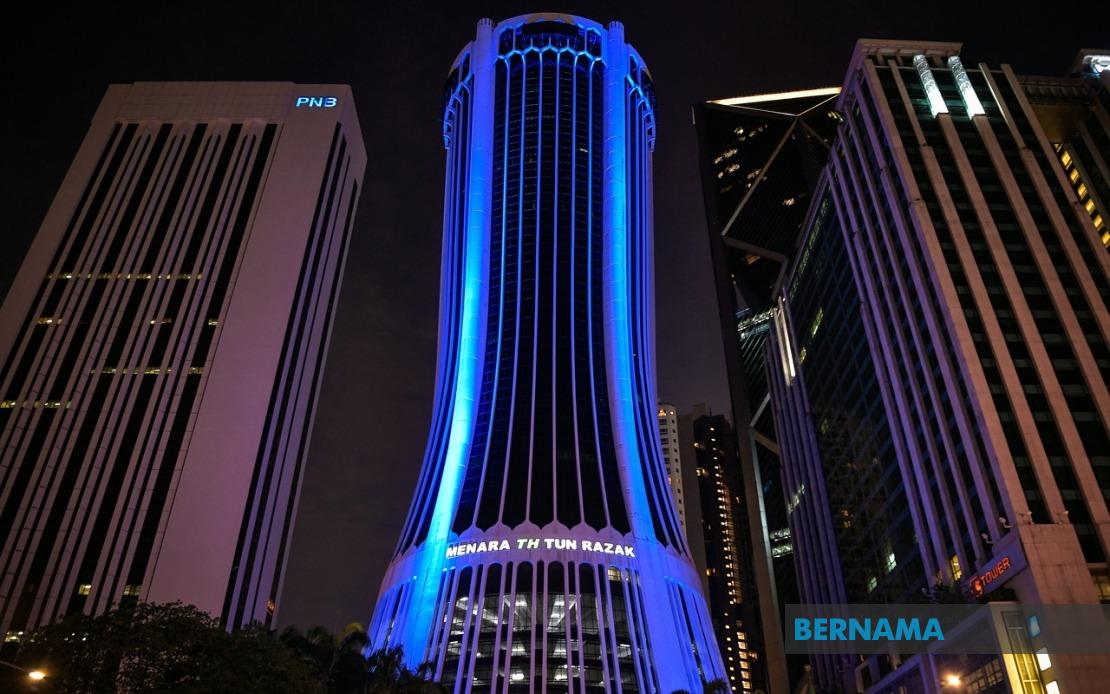
Malaysian depositors have shown remarkable resilience in their confidence toward Tabung Haji as a savings institution dedicated to their haj dreams, even as the financial organisation faces renewed scrutiny following the release of a Royal Commission of Inquiry report examining its governance and operational practices. The findings have thrust the institution into the spotlight once more, yet grassroots Muslim savers across the country continue to view it not as just another financial vehicle but as a custodian of their deeply personal religious obligations and spiritual ambitions.
The distinction is crucial to understanding why Tabung Haji occupies such a unique position in Malaysian financial culture. Unlike conventional banks and investment firms, Tabung Haji carries a sacred trust in the eyes of its depositors—it is the designated administrator of their journey toward one of Islam's five pillars. This spiritual dimension elevates the relationship between depositor and institution far beyond ordinary commercial transactions, creating a bond anchored in religious conviction rather than mere profit-seeking motivations.
Atiqah Shah Hadi, a 40-year-old tailor, embodies this patient faith. Her account with Tabung Haji traces back to childhood, when her father opened it on her behalf. Despite the institutional troubles making headlines, she remains fully committed to accumulating her haj savings with unwavering confidence. Her expected turn to perform the pilgrimage comes in 2033, still more than eight years away, yet she continues methodically building toward that milestone. She articulates the perspective of many ordinary Malaysians: the controversies surrounding management do not diminish her determination to see her religious dream realised through this institution.
Similarly, Muhammad Haikal Abdul Halim, a 35-year-old civil servant, acknowledges full awareness of the institutional challenges surrounding Tabung Haji but has explicitly rejected any impulse to withdraw his existing holdings. His conviction extends beyond passive acceptance—he plans to establish automatic monthly salary deductions into his account to accelerate his savings accumulation. With a projected haj opportunity in 2032, he recognises that the window for preparation is narrowing and that decisive action matters now. His commitment reveals something significant about depositor psychology: knowledge of problems does not necessarily translate into loss of confidence in the institution's core mission.
Haikal's vision extends to his three young children, whom he intends to introduce to Tabung Haji savings accounts. This intergenerational transmission of trust indicates that confidence in the institution runs sufficiently deep that parents are willing to lock their children's futures into the same system despite contemporary questions about its management. Such behaviour suggests depositors distinguish sharply between governance lapses and the fundamental soundness of the institution's purpose and promise.
Experts offering analysis of Tabung Haji's situation point toward critical priorities the institution must address to sustain this reservoir of public confidence. Dr Saizal Pinjaman, director of Universiti Malaysia Sabah's Centre for Economic Development and Policy, identifies two foundational pillars: rigorous protection of depositors' savings and demonstrable strengthening of the institution's long-term financial sustainability and business model. These are not minor housekeeping matters but existential requirements for maintaining the trust placed in the organisation.
Pinjaman emphasises that profit calculations must rest on rigorously audited accounts, with full transparency regarding losses and investment impairments. Profitability cannot be announced selectively or presented in isolation from actual economic performance. Reserve adequacy becomes equally vital—Tabung Haji must maintain sufficient capital buffers to weather market volatility and economic shocks without jeopardising depositor guarantees. Distribution of profits should occur only when genuine, sustainable surpluses exist rather than when accounting convenience or political pressure dictates dividend announcements. The expert further underscores that transparency regarding the actual cost structure of haj assistance is essential for public understanding and confidence.
Dr Noor Nirwandy Mat Noordin, a senior lecturer at Universiti Teknologi MARA's Centre for Media and Information Warfare Studies, offers a longer historical perspective on Tabung Haji's trajectory. He contends that the institution has emerged from its previous crisis period substantially strengthened, and in recent years has earned international recognition as one of the world's leading haj management organisations. This global standing reinforces the credibility of the institution and provides external validation of its operational competence.
Noorwandy's optimism about Tabung Haji's capacity to discharge its duties effectively rests on empirical evidence of institutional recovery and performance benchmarking against international peers. His assessment suggests that the RCI report, while highlighting governance weaknesses, should not obscure the genuine progress made in rebuilding operational excellence. The challenge now involves reconciling acknowledged management failures with demonstrated capacity in core haj administration.
The enduring confidence among Malaysian depositors despite institutional controversy reflects several deeper truths about religious commitment and financial trust in Muslim-majority contexts. Depositors perceive Tabung Haji as an extension of their personal spiritual journey rather than a purely commercial relationship, creating psychological bonds that withstand ordinary financial disappointments. The institution benefits from this deeper spiritual legitimacy that conventional financial institutions cannot access, even as it creates heightened obligations regarding transparency and fiduciary responsibility.
For policymakers and institutional leadership, the message is unambiguous: depositors have granted Tabung Haji exceptional latitude precisely because they view it as custodian of something precious beyond material wealth. This latitude is neither infinite nor unconditional. It demands that Tabung Haji demonstrate rigorous governance, transparent financial reporting, and sustained focus on depositor protection. The current cycle of scrutiny and reform offers opportunity to rebuild public confidence on firmer foundations, converting acknowledgment of past failures into commitment to higher future standards.
The Malaysian context matters significantly for understanding these dynamics. With a Muslim population exceeding 19 million and rising haj aspirations, Tabung Haji manages an essential national religious service touching millions of households. Its success in maintaining depositor confidence despite legitimate questions about governance reflects both the depth of religious commitment among Malaysian Muslims and the pragmatic acceptance that no institution is perfect. Yet this tolerance is not an excuse for complacency—rather, it represents a call for Tabung Haji to prove itself worthy of the extraordinary trust placed in it.

