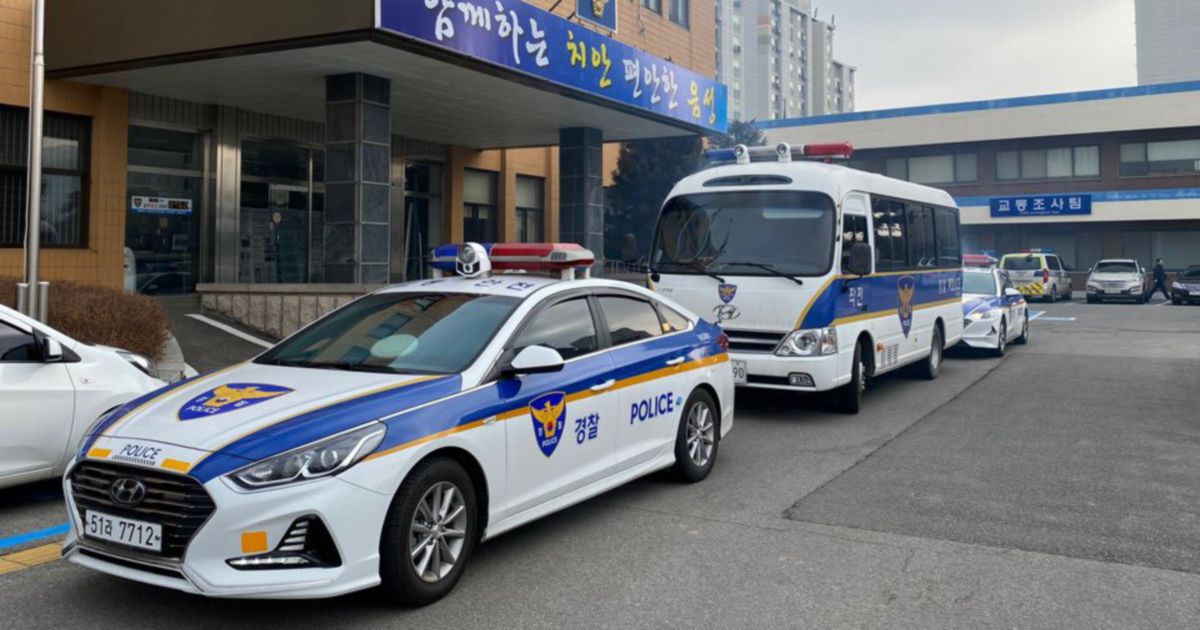
A Malaysian national lost his life in a street altercation involving multiple foreign nationals in North Chungcheong Province, South Korea, during the early hours of Sunday morning. The incident marks a sobering reminder of the risks that Malaysian expatriates and visitors face abroad, and has prompted renewed scrutiny of safety protocols for citizens living and working overseas.
Details surrounding the deadly confrontation remain limited as South Korean authorities continue their investigation into the circumstances that preceded the violence. The fight between the two groups of foreigners escalated rapidly, culminating in fatal injuries for one of the Malaysian men involved. Emergency responders attended the scene, but resuscitation efforts proved unsuccessful.
In a development that adds complexity to the case, another Malaysian national has been taken into custody by local law enforcement authorities. Investigators are examining his role in the incident and whether he may face charges related to the death. The arrest underscores the gravity of the situation and suggests that the altercation may have involved mutual combat rather than a simple case of a Malaysian victim without local involvement.
The Malaysian Ministry of Foreign Affairs and its diplomatic mission in South Korea have been alerted to the matter and are coordinating with local authorities to establish a clear sequence of events. Embassy officials are providing consular assistance to the detained Malaysian national and are working to repatriate the deceased's remains in accordance with proper diplomatic and legal procedures. This incident will likely trigger a review of consular advisory services provided to Malaysian citizens in South Korea.
South Korea, despite its reputation as a relatively safe destination, has occasionally witnessed violent incidents involving foreign nationals. The multicultural character of major South Korean cities, combined with large expatriate communities from across Asia, means that cross-cultural tensions and disputes can occasionally erupt with serious consequences. Authorities in South Korea have progressively strengthened their approach to policing foreign communities to prevent such tragic occurrences.
For Malaysia, this incident underscores ongoing concerns about the welfare of its citizens abroad. Tens of thousands of Malaysians reside in South Korea, working in diverse sectors ranging from manufacturing and education to entertainment and technology. Most maintain peaceful lives, but the absence of robust community support networks in certain regions can leave them vulnerable to social complications and dangerous situations.
The fatal brawl raises important questions about dispute resolution and conflict management within expatriate circles. When disagreements arise between groups of foreign nationals far from home, the absence of immediate community intervention or effective communication channels can result in tensions escalating beyond the point of peaceful resolution. Language barriers, cultural misunderstandings, and unfamiliarity with local legal systems may all contribute to such tragic outcomes.
Malaysian authorities are likely to issue updated safety advisories for citizens in South Korea, particularly regarding nightlife venues and high-risk areas where altercations may occur more frequently. Consular services typically recommend that Malaysians exercise heightened caution when socialising in unfamiliar environments and maintain awareness of their surroundings, especially during late-night activities. The Malaysian embassy will probably intensify outreach efforts to ensure that residents understand local laws and the serious consequences of involvement in violent incidents.
The detained Malaysian national will undergo interrogation by South Korean investigators and will likely face the South Korean judicial system. The charges he faces will depend on prosecutors' determination of his specific actions during the brawl. South Korea's criminal justice system treats violent offences seriously, and a conviction could result in substantial prison sentences, particularly if the individual is found to have contributed directly to the death.
For the deceased's family in Malaysia, the tragic loss compounds the emotional toll of having a loved one pass away so far from home. Repatriation of remains across international borders involves substantial administrative and logistical coordination between the Malaysian embassy, South Korean authorities, and local funeral services. The family will also need to navigate insurance claims, if applicable, and seek guidance on any compensation possibilities through legal channels in South Korea.
This incident highlights the broader challenge facing developing nations with significant overseas populations: ensuring adequate diplomatic protection and consular support while respecting the sovereignty of host countries. Malaysia's foreign service must balance proactive advocacy for its citizens with respect for local legal jurisdictions. The case will likely become a point of reference for discussions on how Malaysia can better protect its citizens working and studying abroad.
Looking forward, both Malaysian and South Korean authorities will benefit from enhanced bilateral cooperation on community policing and conflict prevention involving foreign nationals. Regular forums between embassy officials and local law enforcement can help identify at-risk communities and implement targeted interventions. Additionally, Malaysian community organisations in South Korea should consider strengthening peer support networks and dispute mediation services to help prevent future incidents of violence.

