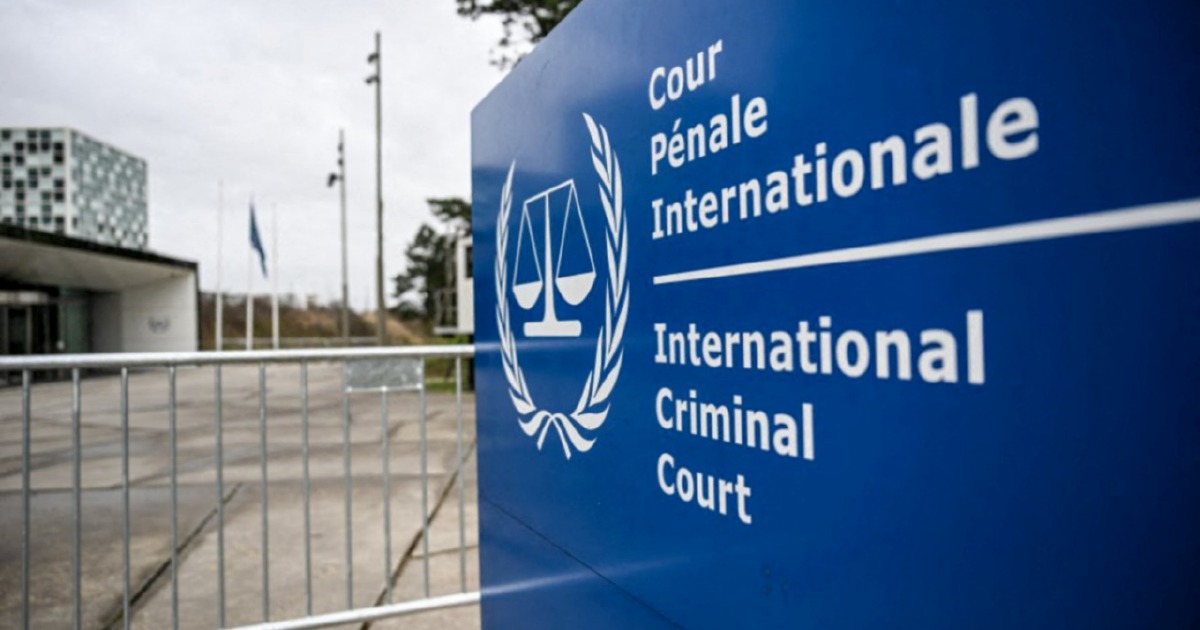
A Malaysian legal professional at the centre of serious allegations against International Criminal Court prosecutor Karim Khan has emerged from anonymity to address swirling speculation about her identity, credibility, and alleged connections to outside interests. In remarks made to international media, the lawyer expressed frustration that her decision to remain anonymous during the initial investigation had created a vacuum filled by various actors promoting competing narratives, each tailored to advance their own agendas rather than illuminate the facts of the case.
The allegations against Khan, who leads prosecutions at the international court based in The Hague, centre on claims of sexual misconduct. The emergence of these accusations in March 2023 sent shockwaves through the global justice system, particularly given Khan's high-profile role investigating conflicts in Ukraine, Palestine, and elsewhere. The complainant's preference for anonymity during the formal investigation process, while standard in such sensitive matters, appears to have left space for competing interpretations of her motivations and background to proliferate unchecked.
Among the theories circulating in diplomatic and activist circles has been speculation that the accuser might be connected to Israeli interests seeking to undermine Khan's credibility and prosecutorial work, particularly given his office's investigations into potential war crimes in Palestinian territories. Such claims have been weaponised in heated debates surrounding the ICC's impartiality and the geopolitical pressures it faces. The Malaysian lawyer's decision to publicly address these allegations represents an attempt to reclaim control of her own narrative and establish her identity and intentions on her own terms.
The timing and context of her public statement are significant for understanding recent developments in this high-stakes controversy. Khan himself has denied any wrongdoing regarding the sexual misconduct allegations, while also acknowledging other conduct investigations concerning how he handled funds during his time as prosecutor in Uganda and the Central African Republic. These parallel investigations have complicated the broader conversation surrounding his tenure, blending questions of personal conduct with professional accountability.
For Malaysian observers and the broader Southeast Asian legal community, this case carries particular resonance. Malaysia has positioned itself as a vocal advocate for international justice mechanisms, including support for the ICC's mandate to hold powerful actors accountable for grave crimes. The emergence of a Malaysian professional in this sensitive global context highlights the ways in which regional voices participate in shaping international justice discourse, even when their involvement comes with significant personal risk and scrutiny.
The lawyer's decision to step forward also reflects a broader tension in modern accountability processes: the trade-off between protecting vulnerable witnesses or complainants through anonymity and the challenge such protection poses to public understanding and confidence in outcomes. When complainants remain unidentified, the space for rumour, speculation, and deliberate disinformation expands considerably. Some observers argue that selective transparency could strengthen rather than undermine the integrity of investigations, provided safety and fair process concerns are adequately addressed.
Her public appearance and statements come amid an increasingly polarised global conversation about the ICC itself. The court faces accusations from different quarters that it operates with double standards, prioritising investigations into actions by weaker nations while avoiding scrutiny of powerful states. Simultaneously, others contend that the institution remains subject to relentless political pressure designed to limit its independence. In such a fraught environment, the credibility and motivations of those making complaints against senior ICC officials inevitably become contested terrain.
The Malaysian lawyer's rejection of the Israel connection narrative also speaks to a troubling pattern in contemporary discourse: the use of geopolitical suspicion to delegitimise individual voices. By suggesting that she might be acting as a proxy for Israeli interests, critics implicitly question whether her account reflects genuine experience or serves as a tool of foreign influence. Her public statement effectively challenges this framing, insisting that her motivations and grievances be assessed on their own merits rather than filtered through assumptions about her putative handlers or benefactors.
The investigation into Khan's conduct, led by an independent panel, has proceeded alongside his continued responsibilities as chief prosecutor. This divided attention has raised questions about operational effectiveness at the ICC during a period of significant global instability and emerging conflicts requiring investigation. The court's reputation and functional capacity depend on both the integrity of its leadership and public confidence that accountability mechanisms apply fairly and universally.
For Malaysia specifically, the involvement of one of its citizens in a case of such international significance underscores the country's stake in global governance institutions. Malaysian policymakers and civil society actors have invested considerable diplomatic capital in supporting the ICC's mandate, despite the court's contentious status in certain quarters. The conduct of investigations, the treatment of those bringing complaints, and the standards of evidence and due process applied to senior officials all reflect on the institution's credibility and impartiality.
Moving forward, the broader implications of this case extend beyond Khan's personal accountability. The handling of complaints against senior international officials sets precedents for how institutions balance confidentiality protections with public accountability, how they defend against delegitimisation campaigns, and how they maintain public trust while conducting sensitive investigations. The Malaysian lawyer's decision to break her silence represents an assertion that these questions cannot be resolved through back-channel diplomacy or official communications alone—public discourse, however complicated and contested, remains essential to institutional legitimacy.

