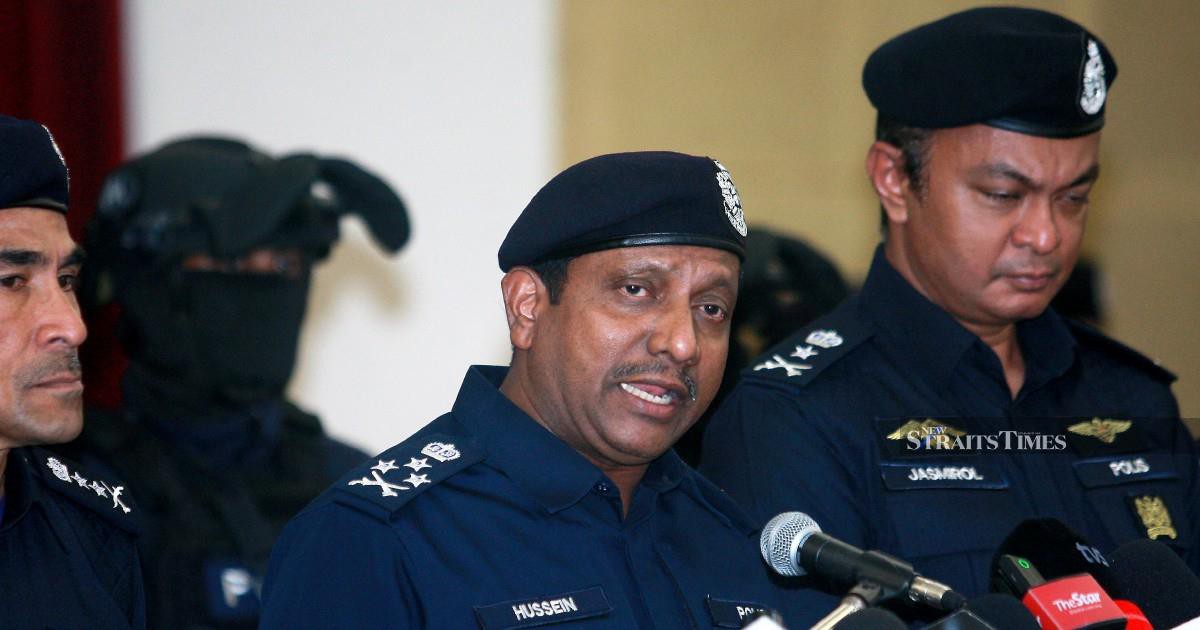
A team of four officers from the Bukit Aman Narcotics Crime Investigation Department touched down in the Indonesian capital on Thursday morning, tasked with interviewing a Malaysian pilot whose arrest has drawn regional law enforcement attention. The limited engagement signals the delicate coordination between Kuala Lumpur and Jakarta as both nations work through narcotics-related matters that cross international boundaries.
The Indonesian authorities have set a strict timeframe for the Malaysian investigators' presence, allocating precisely 48 hours for their questioning session. This constraint reflects standard international protocol governing cross-border police operations, where visiting officers typically operate under significant procedural limitations and must work within the jurisdiction's established legal framework. Such temporal boundaries are common when one nation's law enforcement seeks direct access to suspects held by another country's authorities.
The Malaysian pilot's detention in Jakarta represents a broader challenge facing both nations: the movement of drug-related personnel and proceeds across borders. Narcotics trafficking networks frequently exploit Southeast Asia's geographical proximity and interconnected transportation hubs, with personnel often transferring between countries as part of organised criminal operations. Aviation professionals have historically featured in drug smuggling investigations across the region, given their legitimate access to international travel infrastructure and their understanding of security protocols.
The Bukit Aman NCID's deployment to Jakarta underscores the gravity of the Malaysian connection to this case. Rather than conducting interviews remotely or receiving secondhand intelligence reports, the decision to dispatch officers physically demonstrates Malaysia's commitment to understanding the pilot's involvement and any links to domestic networks. This hands-on approach allows interrogators to assess credibility in real time and pursue investigative threads that might otherwise remain opaque through written reports.
Indonesia's willingness to grant access, albeit time-limited, reflects a cooperative stance between the two nations' law enforcement agencies. Both countries have strengthened drug enforcement partnerships significantly over recent years, recognising that unilateral efforts prove insufficient against transnational criminal enterprises. However, Indonesia's authority over the detainee remains paramount, and the two-day window likely balances international courtesy with Indonesia's obligation to protect its legal sovereignty over investigations within its territory.
The Malaysian officers will need to work efficiently within their allocated timeframe, prioritising questions that directly illuminate the pilot's role and any Malaysian contacts or operations involved. Standard questioning sequences in such scenarios typically focus on employment history, travel patterns, communications with specific individuals, financial transactions, and knowledge of cargo movements. Given the international dimensions, investigators will likely concentrate on identifying any Malaysian-based networks, financial beneficiaries, or logistical supporters.
For Malaysia's law enforcement perspective, establishing the pilot's connections back to domestic criminal networks carries substantial implications. If the detained individual maintains ties to Malaysian drug syndicates, organised crime groups, or trafficking routes, that intelligence becomes crucial for disrupting supply chains and pursuing higher-level organisational figures. The Narcotics Crime Investigation Department operates at the sharp end of Malaysia's war on drugs, and international cases provide opportunities to map transnational operations.
The timing and nature of this case also touches on broader regional concerns about aviation security and airport vulnerabilities. Airports across Southeast Asia remain critical nodes in global drug trafficking, with professional transport workers occasionally recruited or coerced into moving contraband. Intelligence sharing between Malaysian and Indonesian aviation authorities, airport security providers, and law enforcement agencies becomes essential to prevent systematic exploitation of commercial flight networks.
From a broader diplomatic perspective, such cooperative investigations enhance bilateral relations while advancing mutual security interests. Both nations operate within the framework of regional security arrangements and share commitment to ASEAN's Counter-Narcotics Cooperation initiatives. Successful joint investigations demonstrate the value of institutional partnerships and can model effective cross-border law enforcement for other agencies and nations within Southeast Asia.
The two-day window, while restrictive, represents a working compromise in international law enforcement. Malaysian investigators must gather actionable intelligence, corroborate evidence, and establish investigative leads before returning home, where they will continue processing information and pursuing parallel domestic investigations. The Indonesian authorities will simultaneously conduct their own inquiry, and eventual judicial outcomes in both countries may run on different timelines and according to distinct legal standards.
As Malaysia's narcotics battle continues on multiple fronts—from community-level trafficking to international smuggling operations—cases involving pilot involvement particularly catch attention given the transport industry's critical role in moving drugs regionally. The Jakarta deployment represents one instance of an ongoing investigative effort to map and disrupt these networks, with the four NCID officers carrying responsibility for maximising the intelligence value of their brief Indonesian engagement.

