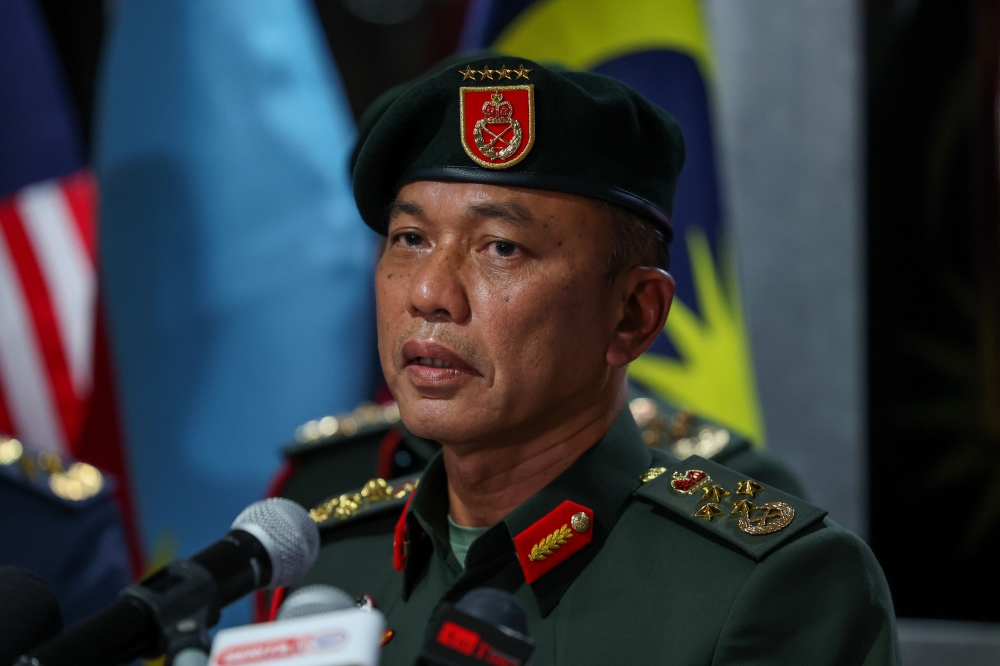
The Malaysian Army has issued a formal response to widespread allegations levelled against one of its members, firmly contending that its internal investigation produces findings at odds with the accusations that have gained traction on social media platforms. The statement, released on July 15, represents the military establishment's effort to address public concern triggered by viral claims that have circulated beyond official channels and drawn considerable online attention.
The emergence of allegations through social media rather than formal complaint processes highlights a growing phenomenon in Malaysia where serious accusations against public institutions bypass traditional grievance mechanisms. This pattern reflects broader changes in how Malaysians engage with sensitive matters involving state bodies, with citizens increasingly turning to digital platforms to voice concerns when they lack confidence in official channels or seek to amplify their cases beyond institutional reach.
The Army's insistence that its investigation contradicts the allegations underscores the tension between institutional findings and public perception. When military investigations into allegations involving its own personnel reach conclusions that diverge markedly from claims in the public domain, questions inevitably arise about investigative methodology, transparency, and the credibility of both the institution and the accusers. This dynamic becomes particularly fraught given the military's hierarchical structure and the power imbalance inherent in cases involving serving personnel.
The nature of sexual assault allegations makes these disputes especially sensitive. Rape and sexual violence cases often suffer from evidentiary challenges, witness availability issues, and the inherent difficulty of proving events that typically occur in private settings. When such allegations emerge virally, they bypass forensic timelines and chain-of-custody considerations that formal investigations require, potentially contaminating evidence or making corroboration more difficult. Yet dismissing social media allegations outright risks appearing dismissive of potential victims, particularly when institutional credibility has been questioned in past cases.
Malaysia's military has faced previous controversies surrounding misconduct by personnel, creating a backdrop of public scepticism toward its internal accountability mechanisms. The Malaysian public has grown increasingly aware of cases where internal investigations appeared to prioritise institutional reputation over thorough fact-finding. This historical context influences how citizens receive statements from the Army regarding allegations against its members, regardless of the specifics of individual cases.
The absence of additional details in the Army's statement—such as whether the investigation interviewed relevant parties, examined evidence, or applied independent oversight—limits the public's ability to assess the investigation's robustness. Transparency regarding investigative procedures, while protecting individual privacy and ongoing proceedings, remains crucial for institutional credibility. Military establishments across Southeast Asia have increasingly recognised that blanket denials without methodological clarity often generate rather than resolve public doubt.
The viral nature of these allegations suggests they resonated with existing concerns about military accountability and sexual violence more broadly. In Malaysia, discussions surrounding sexual assault and institutional responsibility have gained momentum through civil society advocacy and survivor activism. Allegations circulating through social media tap into these currents, regardless of their individual merits, which explains why they achieve rapid amplification despite the Army's contradictory findings.
For Malaysian civil society and legal advocates working on gender-based violence issues, the situation presents a dilemma. Supporting institutional accountability and transparent investigations may seem at odds with amplifying allegations that emerge outside formal channels. However, many argue that ensuring proper investigation of serious claims—whether initially surfaced publicly or privately—ultimately serves victims and institutional credibility alike. The Army's response, standing alone, does not address whether it has made space for independent review of its findings.
The implications for Malaysian military personnel extend beyond this specific case. Service members facing allegations increasingly recognise that their cases may be tried simultaneously in institutional proceedings and the court of public opinion. This dual accountability landscape, while potentially deterring misconduct, can also complicate fair investigation when public narratives harden before full facts emerge. The military must balance transparency with procedural fairness to maintain legitimacy with both its personnel and the public it serves.
Looking forward, this incident underscores Malaysia's need for clearer protocols governing investigation of serious allegations involving public institutions. Several Southeast Asian neighbours have established independent oversight mechanisms for military investigations, particularly regarding sexual violence cases. Such structures, which maintain separation between investigative and command functions, have generally increased public confidence in findings while protecting due process.
The Army's statement also raises questions about what remedial steps, if any, it will undertake to rebuild public confidence in its investigative processes. Beyond contradicting allegations, institutions facing such challenges often benefit from articulating concrete improvements to accountability mechanisms, demonstrating commitment to both investigating genuine misconduct and protecting personnel from unsubstantiated claims. Without such forward-looking measures, statements denying allegations risk appearing purely defensive.
For Malaysian readers, this situation reflects broader tensions between institutional authority and digital-age accountability mechanisms. As social media continues reshaping how serious allegations enter public discourse, Malaysian institutions across sectors face similar pressures to demonstrate legitimacy through transparent, rigorous responses rather than institutional pronouncements alone. The military, as a state institution with particular influence on national security, bears special responsibility for maintaining public trust through credible accountability frameworks.

