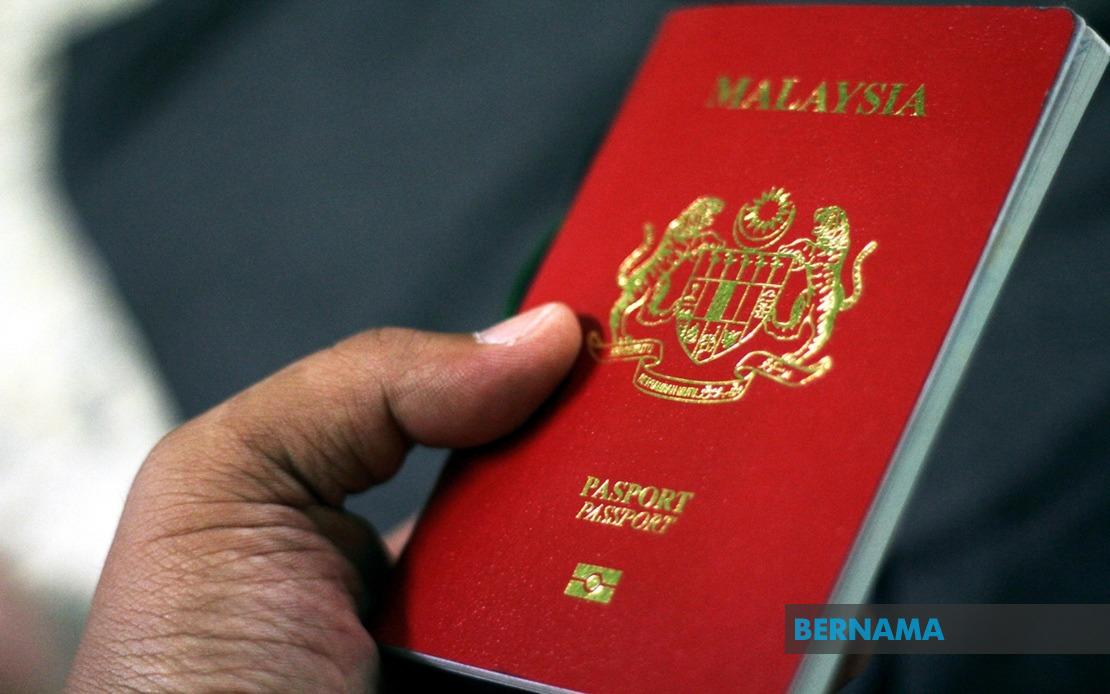
Prime Minister Datuk Seri Anwar Ibrahim will formally introduce Malaysia's redesigned International Passport at the Parliament lobby tomorrow, marking a significant milestone in the country's ongoing efforts to combat document fraud and enhance border security. The new travel document incorporates 94 distinct security features, representing a substantial leap from the existing version's 49 protective measures, and underscores the government's determination to maintain Malaysia's standing as custodian of one of the world's most trusted passports.
The decision to substantially upgrade the passport reflects mounting global concerns about document forgery and identity theft. With international travel continuing to recover and intensify post-pandemic, sophisticated criminal networks have invested heavily in replicating travel documents. Malaysia's upgraded passport addresses these threats head-on through a comprehensive security architecture designed to be virtually impenetrable to counterfeiters operating with standard technology. The enhanced protections are particularly crucial given Malaysia's role as a regional travel hub and significant contributor to global tourism.
Among the most visible improvements are advanced holographic elements embedded throughout the document. These three-dimensional security features change appearance when viewed from different angles, making them extremely difficult to replicate without specialised equipment. The integration of ultraviolet (UV) printing adds another layer of difficulty for forgers, as these elements remain invisible under ordinary light but become apparent only under UV illumination—a standard verification tool used by immigration officers and border authorities worldwide.
Beyond surface-level visual security, the new passport incorporates sophisticated hidden visual elements that serve as covert verification mechanisms. These concealed features allow trained officials to authenticate documents through additional checkpoints without alerting potential users to the full extent of embedded protections. This dual-layer approach—visible security features that deter casual counterfeiting attempts alongside hidden elements that catch sophisticated forgery operations—represents modern best practice in identity document design.
Specialised forensic security features represent perhaps the most technically advanced dimension of the upgrade. These elements are designed to leave specific traces and patterns that forensic experts can analyse to determine document authenticity. Such features prove invaluable in criminal investigations and help law enforcement agencies track counterfeiting operations across borders, contributing to regional security cooperation efforts essential in Southeast Asia's complex geopolitical landscape.
The binding thread itself has been significantly enhanced, featuring security characteristics that extend protection to the passport's structural integrity. This often-overlooked component represents a critical vulnerability in many travel documents, as counterfeiters frequently attempt to replicate pages from genuine documents and reassemble them into fraudulent booklets. The new thread design makes such dismantling and reconstruction attempts detectable through standard inspection procedures.
Each page within the new passport features a unique layout rather than repetitive designs, ensuring that individual pages cannot be swapped between documents or duplicated in isolation. This page-specific differentiation complicates large-scale counterfeiting operations, as forgers would need to replicate not merely one or two templates but dozens of distinct designs. The approach reflects lessons learned from document security incidents globally and represents a design philosophy that prioritises variation over standardisation.
Home Minister Datuk Seri Saifuddin Nasution Ismail announced earlier this year that Malaysia would pursue comprehensive redesigns of both its international passport and MyKad national identity card. This coordinated approach ensures consistency across the country's primary travel and identity documents, creating a cohesive security ecosystem that authorities can manage and update systematically. The synchronised rollout also streamlines public adaptation, as citizens need familiarise themselves with security features across their official documents simultaneously rather than experiencing staggered changes.
Malaysia's current International Passport holds impressive international standing, ranked as the world's third most powerful passport according to the 2025 Passport Index rankings. This status reflects the high global trust placed in Malaysian travel credentials and the country's robust institutional frameworks for document issuance and verification. The upgrade is designed to preserve and strengthen this reputation, signalling to international partners that Malaysia remains committed to maintaining rigorous standards and defending against emerging security threats.
For Malaysian citizens, the practical implications extend beyond enhanced security. International recognition of improved document standards can facilitate smoother border crossings, as immigration authorities in other nations gain greater confidence in Malaysian credentials. Businesses engaged in international commerce also benefit, as enhanced document security reduces risks associated with credential fraud in corporate travel and transactions. For the broader Southeast Asian region, Malaysia's investment in document security contributes to collective efforts to prevent cross-border crime and support effective immigration enforcement.
The government's focus on document security reflects broader digital governance priorities. While the new passport emphasises physical security features, modern identity infrastructure increasingly integrates digital verification mechanisms. The timing of simultaneous MyKad redesign suggests Malaysia is moving toward comprehensive modernisation that bridges traditional and digital security approaches, positioning the country at the forefront of identity document innovation within the region.
Implementation of the new passport will unfold gradually to ensure smooth transition for the vast population of Malaysian passport holders. Authorities will likely maintain acceptance of existing passports during an extended validity period while encouraging citizens to renew documents at their convenience. This phased approach minimises disruption while systematically replacing vulnerable documents within the active passport population.

