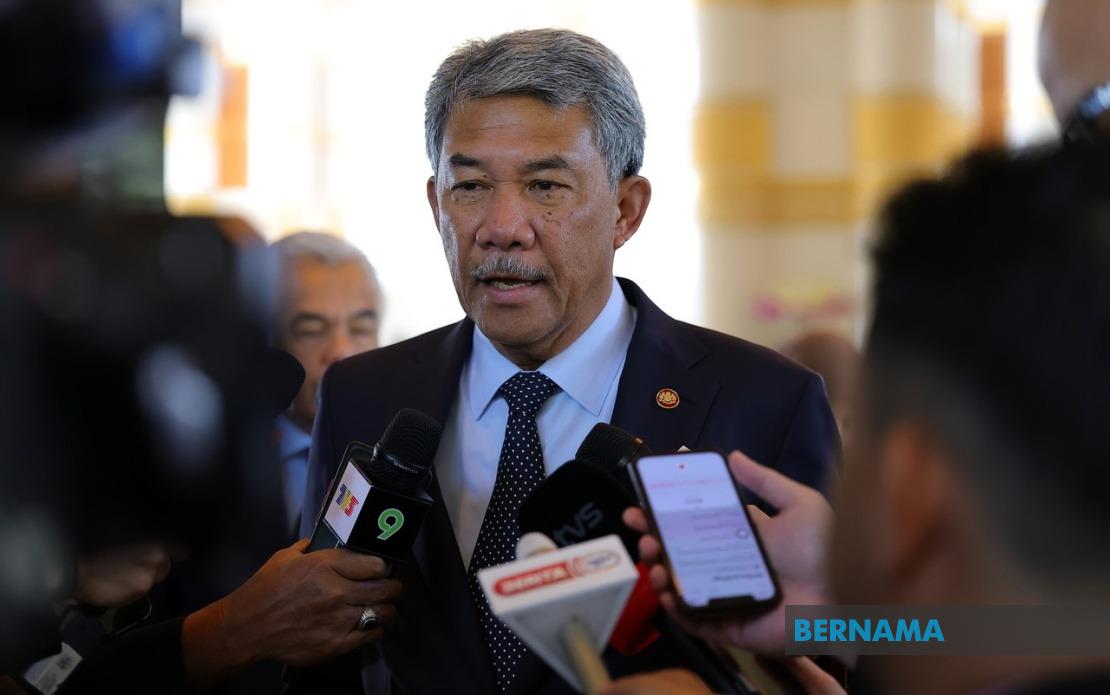
Malaysia is turning to ASEAN as its primary diplomatic instrument to resolve the transboundary haze problem currently affecting several areas throughout Southeast Asia. Foreign Minister Datuk Seri Mohamad Hasan articulated this position during his working visit to Brunei, underscoring the government's confidence in the regional bloc as the most suitable forum for coordinating cross-border environmental responses. This decision reflects Malaysia's institutional preference for multilateral mechanisms in addressing challenges that transcend national boundaries, particularly when neighbouring countries are implicated in causing or exacerbating the crisis.
The Malaysian government intends to formalise its engagement through official channels, with the Ministry of Natural Resources and Environmental Sustainability preparing a formal communication to the ASEAN Secretariat. This procedural step signals the seriousness with which Kuala Lumpur regards the deteriorating air quality. Additionally, NRES Minister Datuk Seri Arthur Joseph Kurup plans to initiate direct ministerial correspondence with his Indonesian counterpart, establishing a dual-track approach that combines both secretariat-level and bilateral diplomatic pressure to encourage immediate action and collaborative problem-solving.
Modern Hasan's emphasis on ASEAN's effectiveness stems from the bloc's established institutional capacity and diplomatic protocols for managing interstate disputes and environmental concerns. By routing the matter through the ASEAN Secretariat rather than pursuing purely bilateral negotiations, Malaysia demonstrates a calculated diplomatic strategy that leverages collective regional authority to amplify its position. This approach is particularly relevant given that transboundary haze typically originates from land-clearing and agricultural burning across Kalimantan and Sumatra in Indonesia, making coordinated regional pressure potentially more persuasive than isolated bilateral complaints.
The timing of these diplomatic overtures coincides with high-level bilateral engagement between Malaysia and Brunei. Mohamad Hasan's three-day working visit incorporates the 27th Malaysia-Brunei Exchange of Letters meeting and the 27th Malaysia-Brunei Annual Leaders' Consultation, both of which provide institutional opportunities to discuss the haze problem at the highest political levels. This convergence of bilateral and regional diplomatic activity suggests Malaysia is simultaneously pursuing multiple diplomatic avenues to address the environmental crisis.
Preliminary indications suggest that Brunei shares Malaysia's concern about the haze situation. Malaysian High Commissioner to Brunei Datuk Mohd Aini Atan noted that the regional air pollution crisis is anticipated to feature prominently during discussions between Prime Minister Datuk Seri Anwar Ibrahim and Sultan Hassanal Bolkiah. The characterisation of the issue as a mutual concern underscores the widespread impact of the haze across the ASEAN region, extending beyond Malaysia to affect other member states with shared airspace and environmental vulnerability.
The severity of the air quality deterioration is starkly evident in the latest pollution readings across Sarawak. The Serian District Police Headquarters recorded an Air Pollutant Index reading of 217, categorised as "very unhealthy" according to Malaysia's Air Pollutant Index Management System portal. This exceptionally high reading poses serious health risks to vulnerable populations including children, elderly individuals, and those with respiratory conditions. Such extreme readings underscore why urgent action through established diplomatic mechanisms has become imperative rather than merely advisable.
Beyond Serian, nine additional areas in Sarawak experienced unhealthy API levels that warrant serious public health attention. Sri Aman registered 186, Sarikei 173, Kuching 171, Samarahan 170, Sibu and Samalaju 156, Bintulu 153, Mukah 125, and Kapit 108. This geographic distribution across the state indicates that the haze problem is not localised to specific districts but rather represents a widespread environmental challenge affecting urban centres, industrial zones, and rural communities alike. The persistence of these elevated readings suggests that transboundary pollution sources are delivering sustained contamination rather than episodic pollution events.
For Malaysian policymakers and citizens, the reliance on ASEAN mechanisms reflects both pragmatism and institutional constraints. While bilateral channels offer directness, the ASEAN framework provides legitimacy and creates space for peer pressure among member states in ways that unilateral diplomacy cannot achieve. This approach recognises that Indonesia, as the principal nation whose territory hosts the pollution sources, may respond more constructively to collective regional concerns than to individual country complaints, which might be perceived as domestic pressure or criticism.
The strategic choice to utilise ASEAN also aligns with Malaysia's broader commitment to regional stability and institutional strength. By demonstrating that the bloc can effectively address transnational environmental challenges, Kuala Lumpur reinforces ASEAN's relevance and problem-solving capacity at a time when the organisation faces various criticisms regarding its effectiveness in managing regional disputes. A successful coordinated response to the haze crisis could strengthen institutional confidence in ASEAN mechanisms for addressing future cross-border environmental and public health emergencies.
Looking forward, the effectiveness of Malaysia's diplomatic strategy will depend on whether Indonesian authorities respond positively to communications through both bilateral and ASEAN channels. Historical patterns suggest that transboundary haze typically intensifies during dry seasons, and current atmospheric conditions may persist for several months. This temporal dimension creates urgency around the diplomatic engagement, as delayed responses could extend public health impacts and economic costs across affected regions.
The diplomatic machinery now set in motion through ASEAN channels represents Malaysia's calculated preference for multilateral solutions to environmental challenges. By securing Brunei's alignment and preparing formal secretariat communications, Malaysia is building a coalition of concerned member states positioned to influence Indonesian policy regarding land management and agricultural practices. The success of this approach will become evident in the coming weeks as bilateral ministerial exchanges occur and ASEAN Secretariat activities intensify around the transboundary haze issue.

