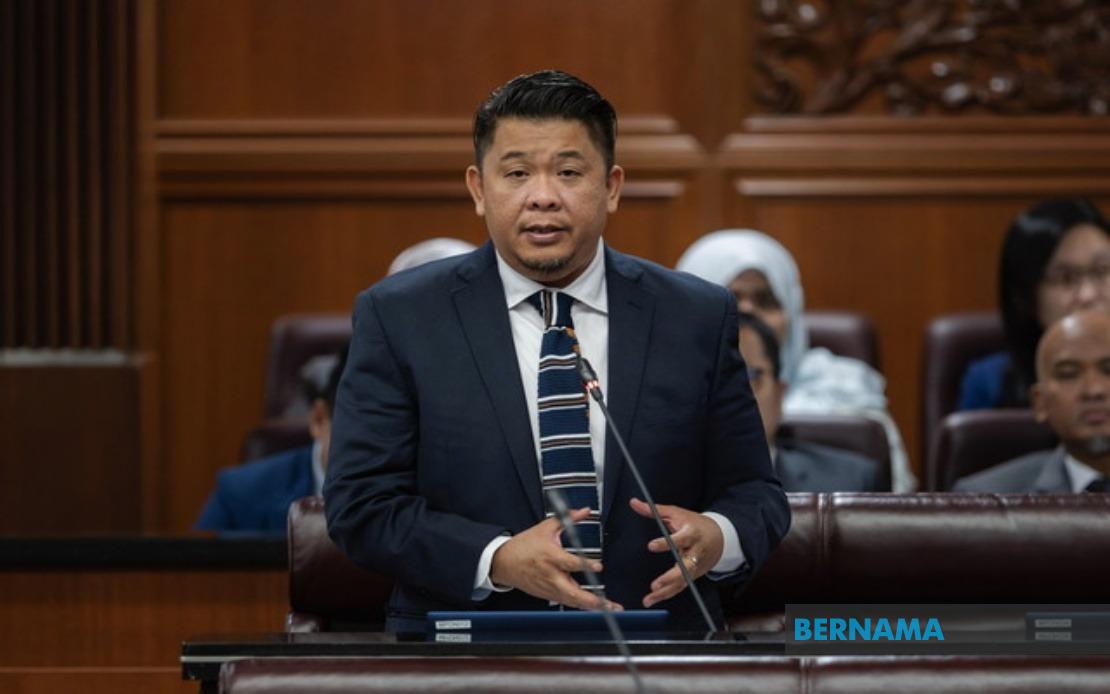
Malaysia's diplomatic apparatus is maintaining close oversight of more than 21,000 citizens scattered across conflict-prone regions, signalling an intensified commitment to safeguarding nationals abroad in an increasingly unstable geopolitical environment. Deputy Foreign Minister Datuk Lukanisman Awang Sauni revealed the scope of this monitoring operation during a parliamentary question-and-answer session, underscoring that the government has refined its emergency response capabilities by drawing on lessons learned from managing previous international crises.
The tracking exercise encompasses 21,427 Malaysians distributed across 14 countries experiencing active conflict or heightened security instability. This figure represents a significant population requiring constant attention and contingency planning, particularly given the diversity of circumstances—from workers in resource sectors to students, religious pilgrims, and business professionals. The breadth of this endeavour reflects the reality that Malaysian nationals are dispersed globally, often in regions where political volatility or military tensions pose genuine risks to civilian safety.
Wisma Putra's operational readiness hinges on a multi-layered coordination framework that extends well beyond the ministry's own resources. The evacuation blueprint involves close collaboration with other government agencies, military assets including the Royal Malaysian Air Force, commercial airlines capable of charter operations, and private corporations with their own personnel requiring extraction. Notably, Petroliam Nasional Bhd maintains parallel contingency arrangements for its workforce, demonstrating how Malaysia's strategic interests abroad—particularly in energy sectors—necessitate tailored protective mechanisms. This layered approach acknowledges that no single entity can shoulder evacuation responsibilities alone.
All Malaysian diplomatic missions maintain continuously refreshed contingency documents that function as operational blueprints during emergencies. These plans transcend simple evacuation rosters; they incorporate detailed mapping of where nationals reside or congregate, establish robust communication protocols to disseminate alerts, outline resource mobilization pathways, and detail the actual extraction strategies suited to different scenarios. The activation of such plans depends on contextual assessment—weighing current risk levels, evolving security developments on the ground, and the precise number of affected individuals. This graduated approach prevents unnecessary disruption while enabling rapid escalation when circumstances demand.
The Foreign Ministry actively encourages Malaysians working, studying, or travelling abroad to register their presence and contact information through multiple channels. The e-Consular system provides digital registration, while traditional methods—email and telephone—remain available for those without internet access. Additionally, the MyWorldAlert mobile application serves as a push-notification mechanism, enabling authorities to rapidly disseminate safety information and emergency guidance directly to registered users' devices. This multi-platform registration strategy aims to ensure comprehensive awareness of the diaspora's location, though uptake remains contingent on individual initiative.
Recent geopolitical turbulence in the Middle East tested the viability of Malaysia's preparedness frameworks. Since hostilities erupted earlier this year in West Asia, the Foreign Ministry released three separate travel advisories, calibrating guidance as conditions shifted. The initial closure of major regional airspace created urgent complications, yet the gradual security stabilization culminating in a ceasefire announcement on April 8 enabled phased reopening of air corridors. This sequence illustrated both the fragility of regional stability and the capacity of diplomatic infrastructure to respond dynamically as situations evolve.
The Ministry's experience managing previous conflicts has proven instrumental in strengthening institutional capacity. Historical episodes—whether involving evacuations from specific hotspots or managing crises affecting smaller populations—established procedural templates and taught organisational lessons about coordination failures to avoid. This institutional memory enables faster decision-making during genuine emergencies and reduces improvisation when lives hang in the balance. However, the sheer scale of the current monitoring operation—spanning 14 countries and over 21,000 people—suggests that peacetime vigilance remains the optimal strategy rather than reactive crisis management.
For Malaysian students abroad, particularly those pursuing education in Middle Eastern institutions or other geopolitically sensitive regions, the existence of these frameworks offers measurable reassurance. The government's willingness to articulate evacuation capabilities publicly signals commitment to their welfare while cautioning parents about realistic response limitations. Students registered through diplomatic missions can receive targeted assistance and emergency guidance if localized instability threatens their safety, though the responsibility for maintaining contact with relevant authorities ultimately rests with individuals and their families.
The involvement of private-sector travel agencies and umrah operators in the coordination mechanism reflects Malaysia's recognition that commercial entities often maintain better real-time visibility into citizen movements than government channels. Umrah operators, for instance, maintain precise passenger manifests and can rapidly communicate critical information to thousands of pilgrims simultaneously. By integrating these actors into formal contingency planning, the government leverages existing commercial infrastructure rather than duplicating services, a pragmatic approach that amplifies reach without proportionally expanding bureaucratic overhead.
Lukanisman's parliamentary statement underscores that Malaysia perceives its foreign population as a strategic asset requiring active protection. The maintenance of 21,427 tracking records across 14 nations demands persistent institutional attention and resource allocation even during periods of relative calm. This forward-looking posture—preparing for deterioration rather than waiting for crises to materialize—reflects lessons learned from past oversights. As regional tensions persist in West Asia and elsewhere, the credibility of Malaysia's preparedness increasingly depends on demonstrable execution capacity during actual emergencies, not merely the existence of documented plans.
For Southeast Asian nations more broadly, Malaysia's coordinated approach offers instructive lessons about managing diaspora safety in volatile times. The integration of military, diplomatic, commercial, and corporate resources into unified frameworks demonstrates how countries can leverage existing institutions to enhance protective capacity without creating entirely new bureaucratic structures. As geopolitical risks continue reshaping patterns of international mobility, such comprehensive monitoring and evacuation readiness may become standard expectations among regional governments seeking to justify their stewardship of citizens' security.

