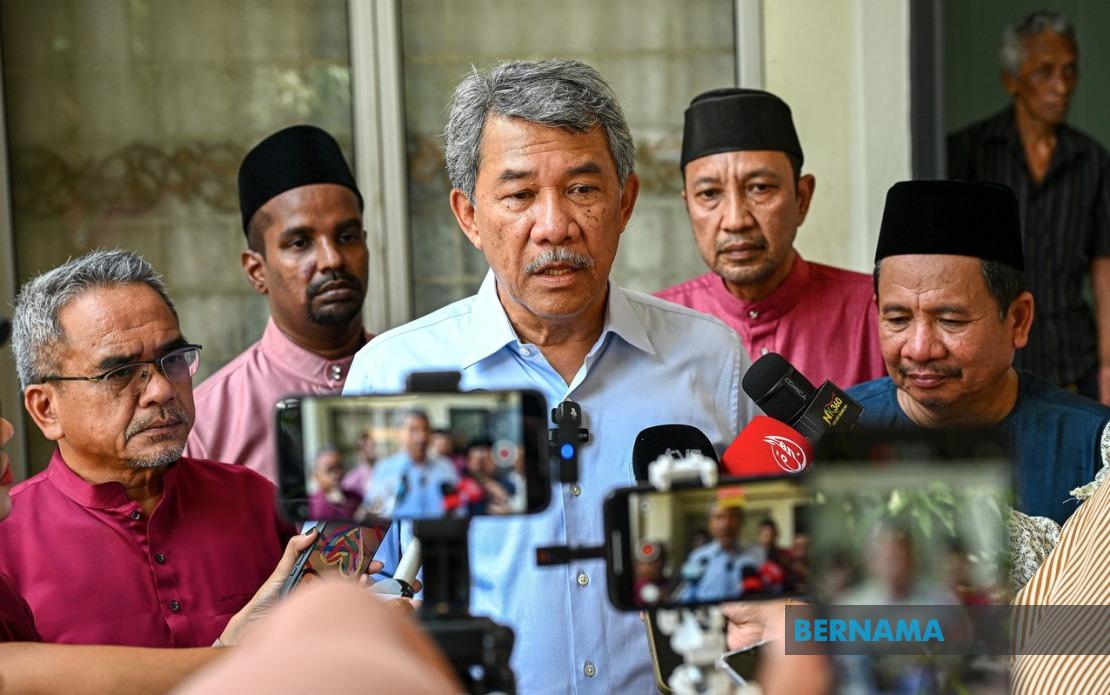
Malaysia is committed to ensuring the welfare and physical safety of Myanmar refugees before allowing them to return home, Foreign Minister Datuk Seri Mohamad Hasan stated this week, signalling a cautious approach to repatriation even as pressure mounts to manage the large displaced population in the country.
Speaking to journalists in Seremban following a community engagement event, Mohamad Hasan outlined a verification-first framework that would involve close coordination between Malaysian authorities and international bodies. The government views the repatriation process as one that demands rigorous assessment rather than rapid processing, reflecting growing international scrutiny over refugee returns to countries experiencing political instability.
The Foreign Ministry will work in tandem with the United Nations High Commissioner for Refugees to establish the legitimacy of refugee claims and determine the security landscape awaiting those being sent back. This dual-verification system represents Malaysia's effort to balance humanitarian obligations with diplomatic relationships, while also addressing domestic concerns about irregular migration. The Home Ministry figures prominently in this arrangement, tasked with corroborating individual cases and ensuring no vulnerable populations are returned to situations of active threat.
Malaysia has already begun preliminary dialogues with Myanmar's government through diplomatic channels, with the Foreign Ministry's senior officials engaging Naypyidaw on the mechanics of gradual repatriation. Rather than awaiting large cohorts to accumulate, the government has signalled flexibility in managing smaller contingents. According to Mohamad Hasan, the initial batch of roughly one thousand individuals whose refugee status has been confirmed can be returned without delay, circumventing earlier proposals for a single mass deportation involving five thousand nationals.
This incremental strategy reflects both pragmatic constraints and legal considerations. Staged repatriations reduce logistical strain on receiving communities while providing time to monitor conditions on the ground and adjust procedures if necessary. The approach also mitigates risks associated with sudden demographic shifts, particularly in regions already hosting substantial refugee populations. For Malaysia, which hosts one of Southeast Asia's largest displaced Myanmar communities, managing returns carefully protects both the returnees and domestic stability.
Beyond bilateral arrangements, Malaysia has positioned the Myanmar refugee question within the broader ASEAN framework. Mohamad Hasan emphasised that member states must treat the issue as a collective responsibility rather than allowing individual nations to shoulder disproportionate burdens. This reflects underlying tensions within the bloc regarding irregular migration and humanitarian crises, where some countries bear significantly heavier pressures than others.
The Five-Point Consensus remains central to Malaysia's diplomatic posture on Myanmar, according to the Foreign Minister. This ASEAN mechanism, established to guide responses to the political upheaval in Myanmar, encompasses dialogue, humanitarian assistance, and gradual political transition. By anchoring refugee policy to this framework, Malaysia signals that repatriation decisions cannot be divorced from the broader political resolution process in Myanmar itself. Should conditions deteriorate or political movements stall, repatriation schedules may face reassessment.
The security environment in Myanmar presents the principal constraint on rapid returns. Since the military takeover in February 2021, violence has remained endemic in multiple regions, and displaced populations face genuine risks should they attempt homecoming. Verification processes must therefore account for individual displacement circumstances—whether persons fled combat zones, faced targeted persecution, or fled general instability. Different categories warrant different assessments regarding safe return conditions.
For Malaysian policymakers, the refugee issue carries significant weight in regional diplomacy and domestic politics. The country has already hosted displaced populations for extended periods, straining resources and infrastructure in urban centres. However, precipitous or unsafe returns could damage Malaysia's humanitarian standing internationally and potentially violate international refugee conventions. The careful balancing act requires both technical precision in verification and strategic patience in waiting for improved conditions in Myanmar.
The UNHCR's involvement provides international legitimacy and technical expertise to Malaysian efforts, ensuring that decisions reflect global best practices rather than unilateral considerations. This partnership also creates accountability mechanisms that protect both returnees and Malaysia from accusations of forced or unsafe repatriation. International scrutiny, while sometimes frustrating for governments eager to resolve displacement, ultimately strengthens protection systems.
For Myanmar nationals in Malaysia awaiting resolution of their status, this announcement suggests neither imminent mass deportation nor indefinite limbo. The incremental approach offers some immediate relief to those already verified while maintaining pressure on Myanmar's government to create conditions conducive to sustainable return. This calibrated stance reflects Malaysia's maturing approach to refugee management in an increasingly complex regional environment.

