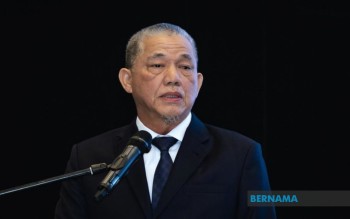
Malaysia intends to harness the infrastructure and land assets of retiring coal-fired power stations by converting them into renewable energy hubs and battery energy storage systems, Deputy Prime Minister Datuk Seri Fadillah Yusof revealed at the World Economic Forum's energy decarbonisation forum in Kuala Lumpur. The initiative sits within a broader National Coal Site Repurposing Framework designed to maximise the economic and strategic value of these facilities as the nation phases out coal dependency over the coming two decades.
The announcement represents a pragmatic approach to managing Malaysia's energy transition. Rather than allowing coal sites to become economically redundant and environmentally stranded, the government views them as anchors for new clean energy infrastructure. These locations already possess critical advantages: established electrical transmission connections, industrial infrastructure, workforce expertise, and strategically positioned land holdings. Repurposing them transforms potential liabilities into assets capable of driving economic development at the regional level.
Fadillah, who also serves as Energy Transition and Water Transformation Minister, emphasised that the proposed framework—outlined in a World Economic Forum insight paper titled "Beyond Coal: Building a Flexible, Resilient and Clean Power System for Malaysia"—would facilitate ongoing collaboration between government bodies, regulators, utility companies, investors, and local communities. This multi-stakeholder approach acknowledges that successful energy transitions require buy-in from all parties affected by the shift away from coal, particularly communities dependent on coal sector employment.
Each decommissioned power station presents what Fadillah characterised as an opportunity to incubate new industrial clusters, channel fresh investment capital into regions, and retrain workforces for emerging economic sectors. This framing shifts the narrative around coal retirement from loss and contraction to growth and renewal. For communities that have relied on coal operations, the prospect of replacement industries represents a pathway to sustained prosperity rather than economic abandonment.
Malaysia's commitment to decarbonisation remains firm despite global energy pressures. The nation has pledged not to construct any new coal-fired power plants, to eliminate coal-based electricity generation entirely by 2044, and to achieve 70 percent renewable energy installed capacity by 2050. These targets align Malaysia with regional and global efforts to combat climate change while preparing the economy for the energy technologies that will dominate the coming decades.
Critically, Fadillah stressed that renewable energy deployment must accelerate faster than coal retirement to prevent simply substituting one form of import dependence for another. Malaysia faces a genuine risk that withdrawing from coal could increase reliance on imported liquefied natural gas, exposing the nation to volatile global fuel markets and geopolitical vulnerabilities. A genuinely successful transition must reduce overall energy import dependence, not merely shift it from coal to LNG. This consideration reflects sophisticated understanding of Malaysia's position within global energy supply chains and the economic dangers of trading one external dependency for another.
To undergird this transition, the Energy Transition and Water Transformation Ministry continues prioritising large-scale solar installations across the country, the Corporate Renewable Energy Supply Scheme that allows businesses to source clean power directly, deployment of battery energy storage systems to manage intermittency challenges, and modernisation of grid infrastructure to handle distributed renewable generation. Each component works synergistically: solar capacity expands the clean energy base, corporate purchasing agreements accelerate private sector investment, battery storage smooths supply fluctuations, and smart grids distribute power efficiently across interconnected networks.
Regionally, Malaysia is championing the ASEAN Power Grid initiative and facilitating cross-border electricity trade arrangements. These efforts strengthen collective energy security across Southeast Asia by allowing member nations to share renewable resources and balance demand across borders. A regionally integrated electricity market can accommodate higher percentages of variable renewable energy by distributing supply and demand across larger geographic areas with diverse weather patterns and consumption profiles.
Looking further ahead, Malaysia is investigating advanced low-carbon energy technologies including next-generation nuclear systems and small modular reactors as potential long-term components of its energy portfolio. These technologies remain controversial and require substantial advances in safety protocols, regulatory frameworks, and public acceptance before deployment becomes feasible. Fadillah's emphasis on ensuring robust governance, regulatory preparedness, and public confidence signals that Malaysia will not rush into nuclear deployment but will proceed methodically, building institutional and social foundations alongside technological development.
The coal site repurposing framework represents a mature policy response to the energy transition challenge. Rather than allowing valuable infrastructure to deteriorate or abandoning affected communities to economic decline, Malaysia is constructing a transition pathway that preserves assets, maintains employment, and positions regions for participation in emerging clean energy sectors. For Southeast Asia more broadly, this approach offers a replicable model for managing the complex economic and social dimensions of moving away from fossil fuels while ensuring that benefits from clean energy development are distributed equitably across regions.

