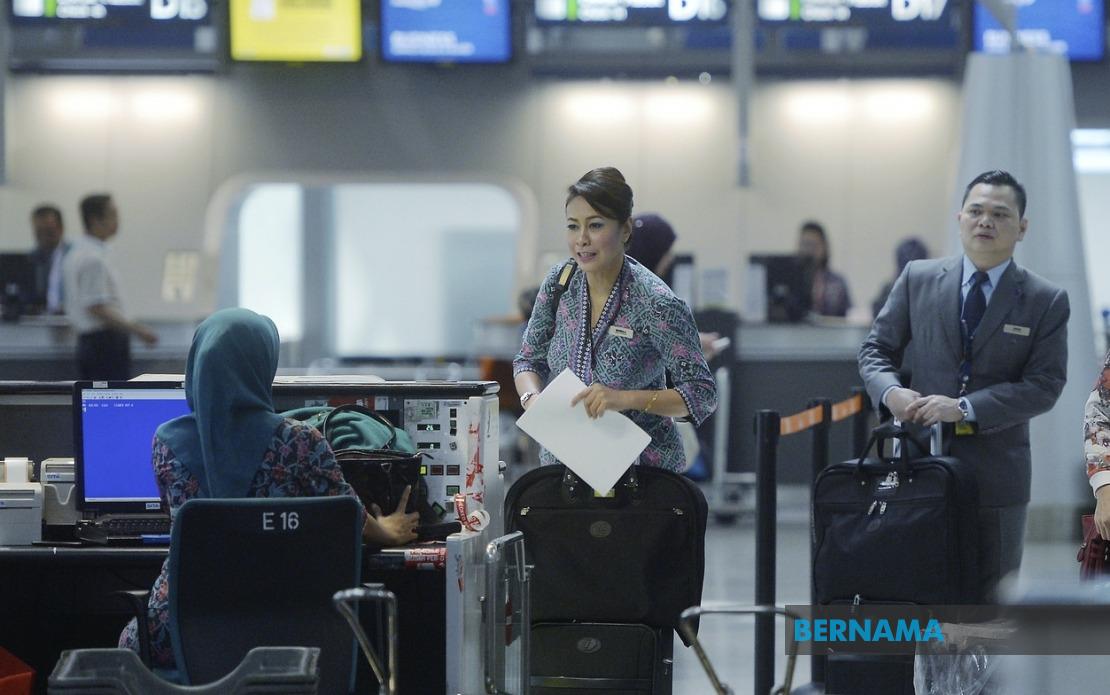
Malaysia will implement enhanced security screening procedures for pilots and flight crew across all airports nationwide, according to Datuk Seri Mohd Shuhaily Mohd Zain, director-general of the Malaysian Border Control and Protection Agency (AKPS). The commitment emerged from an urgent coordination meeting convened in Sepang by the Transport Ministry's secretary-general, Datuk Seri Jana Santhiran Muniayan, which brought together AKPS, the Royal Malaysia Police (PDRM), and Malaysia Aviation Group (MAG) to review and strengthen existing security protocols.
The decision follows a high-profile incident on July 29 when a 39-year-old Malaysian pilot was apprehended at Soekarno-Hatta International Airport in Jakarta upon arrival from Kuala Lumpur. Indonesian customs officials, led by Director-General Djaka Budi Utama, discovered approximately 25 kilogrammes of ecstasy worth around Rp60 billion concealed in the pilot's luggage. The discovery has prompted serious reassessment of screening procedures at Malaysian airports, particularly regarding aviation personnel with international flight access.
What makes this incident particularly troubling is that the pilot had successfully cleared all standard security screening procedures at Kuala Lumpur International Airport (KLIA) before departure on July 28. Advanced scanner technology failed to detect the contraband, raising questions about the effectiveness of existing protocols. Mohd Shuhaily acknowledged this gap, noting that neither the items nor the suspect's luggage produced suspicious images during routine scanner checks, allowing him to pass through without intervention. This security failure has triggered an urgent review of how aviation personnel bypass detection systems.
The case highlights a critical vulnerability in Southeast Asian airport security frameworks. Pilots and flight crew occupy a unique position within aviation ecosystems, often subject to less rigorous screening than regular passengers due to their operational status and security clearances. This institutional advantage creates potential exploitation opportunities for those willing to abuse their access. The incident suggests that existing trust-based systems for aviation personnel may require fundamental restructuring to account for internal threat actors.
Representatives from Malaysia Aviation Group participated actively in the Sepang meeting, indicating serious corporate commitment to remedying the situation. Airlines operating from Malaysian hubs recognize that reputational damage extends beyond individual incidents, affecting international confidence in Malaysian aviation security standards. For MAG and its constituent carriers, demonstrating proactive security enhancement is essential to maintaining partnerships with international airlines and regulators.
The proposed enhancements will encompass more comprehensive screening for all pilots, crew members, and related airport staff. While specifics remain under development pending coordination between agencies, the framework signals movement toward more rigorous background checks, possibly including enhanced vetting procedures, periodic re-screening protocols, and tighter luggage inspection standards. These measures must balance security imperatives with operational efficiency, as excessive delays could disrupt flight schedules and competitiveness.
Mohd Shuhaily indicated that AKPS is awaiting detailed feedback from PDRM regarding how the suspect managed to circumvent KLIA security despite carrying significant drug quantities. This investigative collaboration suggests officials are examining whether procedural failures, technology limitations, or deliberate circumvention enabled the smuggling attempt. Understanding the vulnerability's root cause is essential for designing targeted countermeasures rather than implementing blanket restrictions that could burden the aviation industry unnecessarily.
For Malaysia's position within regional aviation networks, this incident arrives at a sensitive moment. The country hosts one of Southeast Asia's largest aviation hubs, and security perceptions directly influence carrier confidence and passenger traffic. Neighboring jurisdictions and international regulatory bodies will monitor how thoroughly Malaysia addresses this security gap. Credible enhancement of screening procedures for aviation personnel could set regional benchmarks for aviation security standards.
The timing also reflects broader global trends of increased scrutiny on aviation security. International bodies including the International Air Transport Association have advocated for consistent, risk-based screening frameworks that adapt to emerging threats. Malaysia's response demonstrates engagement with these evolving standards, positioning the country as security-conscious rather than reactive. However, implementation quality will ultimately determine whether enhanced procedures represent meaningful security advancement or merely procedural theater.
The incident underscores how insider threats constitute distinct challenges within aviation security frameworks. Unlike external threats, which can be addressed through perimeter control and passenger screening, insider threats leverage operational knowledge and legitimate access to circumvent standard detection systems. Addressing these vulnerabilities requires cultural shifts within aviation organizations, encouraging reporting of suspicious behavior and creating accountability mechanisms that deter would-be smugglers from exploiting their positional advantages.
For Malaysian readers and travelers, these enhanced procedures signal increasing vigilance regarding drug trafficking through aviation channels. Malaysia's strategic geographic position makes it a transit point for narcotics moving through the region, and aviation remains a favored smuggling method due to speed and cross-border jurisdiction complications. Strengthened screening for personnel reflects recognition that trafficking threats manifest across multiple vectors beyond traditional passenger-level interventions.
The collaborative approach involving MOT, AKPS, PDRM, and MAG represents institutional recognition that aviation security transcends single-agency responsibility. Effective implementation requires sustained coordination, information sharing, and technology investment. Whether Malaysia's agencies can maintain this collaborative momentum beyond the immediate crisis period will determine whether procedural enhancements produce lasting security benefits or gradually revert to pre-incident protocols as institutional memory fades.

