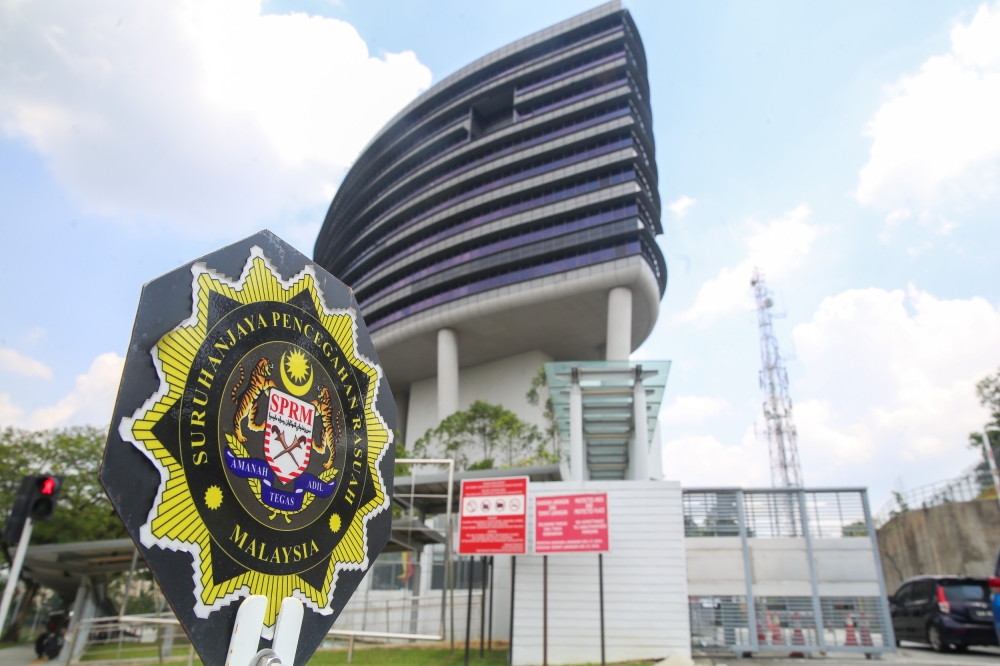
Malaysia is positioning itself as a key player in Southeast Asia's fight against corruption by hosting the 22nd Asean-PAC (Anti-Corruption Practitioners Advisory Council) meeting, a gathering that underscores the region's commitment to collaborative enforcement against graft. The Malaysian Anti-Corruption Commission will convene the forum, bringing together enforcement officials and anti-corruption agencies from across the Association of Southeast Asian Nations to discuss shared challenges and develop coordinated strategies for tackling cross-border corruption.
The significance of Malaysia hosting this gathering extends beyond administrative convenience. The country has undergone substantial institutional reforms in recent years following high-profile corruption cases that have drawn international scrutiny and domestic political attention. By taking the helm of this regional forum, Malaysia signals its readiness to contribute meaningfully to Southeast Asia's governance agenda and to learn from peer nations' experiences in combating systemic graft. This positioning is particularly relevant as Malaysia continues to consolidate reforms within its own anti-corruption apparatus and rebuild public confidence in institutional integrity.
Regional anti-corruption cooperation has become increasingly vital as criminal networks and corrupt officials exploit porous borders and jurisdictional gaps to move illicit proceeds across Southeast Asia. The Asean-PAC forum provides a structured platform for countries to share intelligence, coordinate investigations, and harmonise enforcement approaches. By participating in such multilateral mechanisms, member states can address corruption that extends beyond their individual borders and disrupt networks that operate across the region.
The meeting will facilitate discussions on contemporary corruption challenges specific to Southeast Asia, including procurement fraud, bribery in resource extraction industries, and money laundering networks that leverage the region's financial systems. Participants will likely exchange best practices on investigation techniques, asset recovery procedures, and the use of financial intelligence to trace illicit flows. Such knowledge-sharing is particularly valuable for countries seeking to strengthen institutional capacity and improve coordination mechanisms that remain underdeveloped in some parts of the region.
Asean's diverse institutional frameworks present both challenges and opportunities for coordinated anti-corruption work. While member states operate under different legal systems, constitutional arrangements, and enforcement structures, the Asean-PAC forum creates common ground for dialogue and mutual learning. Officials can discuss how to balance the independence of anti-corruption agencies with political accountability, a tension that remains relevant across the region despite varying constitutional models.
Malaysia's hosting of the forum also reflects ongoing efforts to comply with international standards on anti-corruption and money laundering prevention. The country has faced scrutiny from international bodies and maintains commitments under various regional and global frameworks aimed at improving transparency and strengthening institutional safeguards. By championing regional cooperation, Malaysia demonstrates alignment with international expectations while building networks that can assist in managing complex cross-border cases.
The meeting agenda will likely encompass emerging threats such as corruption in digital governance, cyber-enabled fraud, and the manipulation of public procurement systems through electronic platforms. As Southeast Asian economies increasingly digitise government services and conduct transactions online, anti-corruption agencies must develop capacity to investigate offences occurring in digital environments. The Asean-PAC forum provides an opportunity to develop regional guidelines and share technological resources for monitoring digital misconduct.
Asset recovery represents another critical agenda item, as corruption generates vast illicit wealth that flows across borders. The recovery of stolen state assets requires international coordination, and Asean-PAC meetings facilitate discussions on mutual legal assistance, extradition protocols, and the repatriation of funds. For smaller economies in the region particularly vulnerable to asset flight, such cooperation mechanisms are essential for retrieving public resources lost to corruption.
The forum also addresses the challenge of protecting whistleblowers and witnesses in transnational corruption cases. Individuals who expose graft often face intimidation or flight risks when cases extend across borders. Participants may discuss protective measures and coordination protocols to ensure that individuals providing crucial information remain secure and willing to cooperate with investigations spanning multiple jurisdictions.
Stakeholder engagement beyond government agencies represents an evolving dimension of Asean-PAC work. Civil society organisations, private sector representatives, and international development partners increasingly participate in or observe such forums, bringing perspectives on how corporate governance, transparency mechanisms, and public accountability can be strengthened alongside law enforcement action. This broader stakeholder involvement reflects recognition that sustained anti-corruption progress requires commitment across all sectors of society.
The 22nd Asean-PAC meeting comes at a moment when Southeast Asia faces mounting pressure to demonstrate institutional capacity and political will in combating corruption. International rankings, investor confidence assessments, and donor evaluations increasingly emphasise governance quality, making effective anti-corruption work economically important beyond its moral imperative. Malaysia's leadership of this forum provides an opportunity to showcase progress and to set an agenda that reflects regional priorities rather than external prescriptions.
Looking forward, the outcomes of the meeting will likely inform bilateral and multilateral cooperation initiatives, potentially leading to new memoranda of understanding or joint task forces addressing specific corruption vulnerabilities. Success will be measured not merely by the quality of discussions but by subsequent enforcement actions that reflect enhanced coordination and shared intelligence. For Malaysia specifically, the forum offers a platform to demonstrate institutional maturity and to position itself as a credible partner in regional governance initiatives.

