Malaysia's Independence celebrations this year will feature a series of interactive community-focused initiatives designed to strengthen patriotic sentiment across the nation, according to officials from the Department of Information (JAPEN). The 2026 National Month and Malaysia Day (HKHM2026) festivities will adopt a more measured approach compared to previous years, yet organisers maintain that the programming will deliver meaningful engagement opportunities for citizens throughout the country.
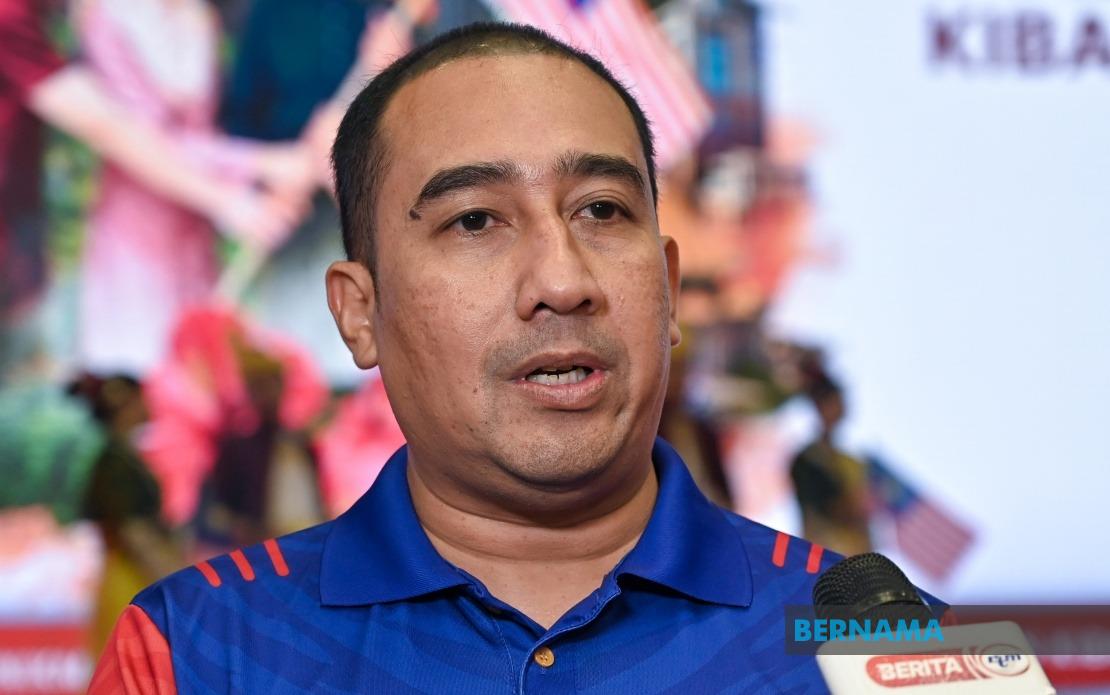
The Department of Information's Communication Services and Community Development Division director Muhammad Najmi Mustapha outlined the scope of these activities during an inspection of rehearsals for the Fly the Jalur Gemilang Campaign launch, held at the Sultan Azlan Shah Ministry of Health Training Institute in Tanjung Rambutan, Perak. Rather than concentrating efforts in major urban centres, JAPEN's mobile units will operate from strategically selected checkpoints nationwide, positioning themselves at houses of worship, sports facilities, and other community gathering spaces. This distributed approach reflects an effort to ensure that patriotic messaging and engagement reach Malaysians across diverse geographic and demographic segments.
A centrepiece of this year's strategy is the expanded 1 House 1 Jalur Gemilang (1R1JG) campaign, which aims to place the Malaysian flag in residential and public spaces. The initiative has been broadened to encompass two newly designated clusters—places of worship and sports venues—extending beyond the seven original operational domains that included educational institutions, industrial workplaces, government agencies, health facilities, security establishments, higher education centres, and general community organisations. This expansion signals official recognition that patriotic observance functions most effectively when integrated into spaces where Malaysians naturally congregate for spiritual, recreational, or professional purposes.
Through the expanded campaign, JAPEN will distribute Jalur Gemilang kits to participants and provide targeted support to religious institutions participating in the initiative. The strategy explicitly invites congregations and sports clubs to join in the flag-raising activities, treating these spaces as legitimate venues for patriotic expression rather than limiting such observances to government or secular settings. This inclusive approach acknowledges Malaysia's multicultural and multireligious composition, positioning national identity as compatible with diverse community contexts.
The centrepiece event will be the official launch ceremony, which Prime Minister Datuk Seri Anwar Ibrahim is scheduled to officiate. Taking place at Dewan Sri Perdana, the ceremony represents a significant symbolic moment for the government's nation-building agenda. Rehearsals have proceeded smoothly, and organisers anticipate approximately 3,000 attendees, including members of the MADANI Community drawn from various regions. The morning schedule will feature a Merdeka Patriot Run, establishing a participatory element that extends beyond passive observation.
A particularly notable component of the launch is the resumption of security forces conducting the formal Jalur Gemilang hoisting ceremony—a ritual that had lapsed for two years prior. The restoration of this ceremonial element carries symbolic weight, suggesting a deliberate effort to reinvigorate formal patriotic observance at the state level. The ceremony will conclude with the debut of the official HKHM2026 theme song, further embedding the campaign within popular cultural expression.
Broadcast reach for the launch extends substantially beyond those physically present. Radio Televisyen Malaysia (RTM), the Malaysian National News Agency (Bernama), and various digital platforms including Merdeka360 Facebook Live will stream the proceedings at 10 am, ensuring nationwide accessibility. This multi-platform approach acknowledges the media consumption patterns of contemporary Malaysian audiences, prioritising simultaneous access across traditional broadcast and social media channels. The involvement of the Ministry of Communications alongside JAPEN signals whole-of-government coordination on the messaging strategy.
For Malaysian and Southeast Asian observers, the 2026 National Month campaign reflects broader governmental priorities regarding social cohesion and national identity construction. Rather than employing heavy-handed or exclusively top-down approaches, the programming strategy emphasises community participation, decentralised execution, and integration with existing social institutions. This represents a middle path between overt state propaganda and grassroots organic patriotic expression, attempting to create official frameworks within which citizens can voluntarily engage with national symbolism.
The timing and scale of these initiatives also merit consideration within Malaysia's contemporary political landscape. The decision to maintain moderate-scale programming rather than unprecedented spectacle suggests either budgetary constraints or a deliberate philosophical choice to prioritise sustained community engagement over singular flagship events. For regional observers, Malaysia's approach contrasts with some neighbouring nations' increasingly elaborate national commemoration practices, potentially indicating a preference for integration and inclusivity as the primary strategy for reinforcing national identity during a period when social divisions remain a persistent concern.

