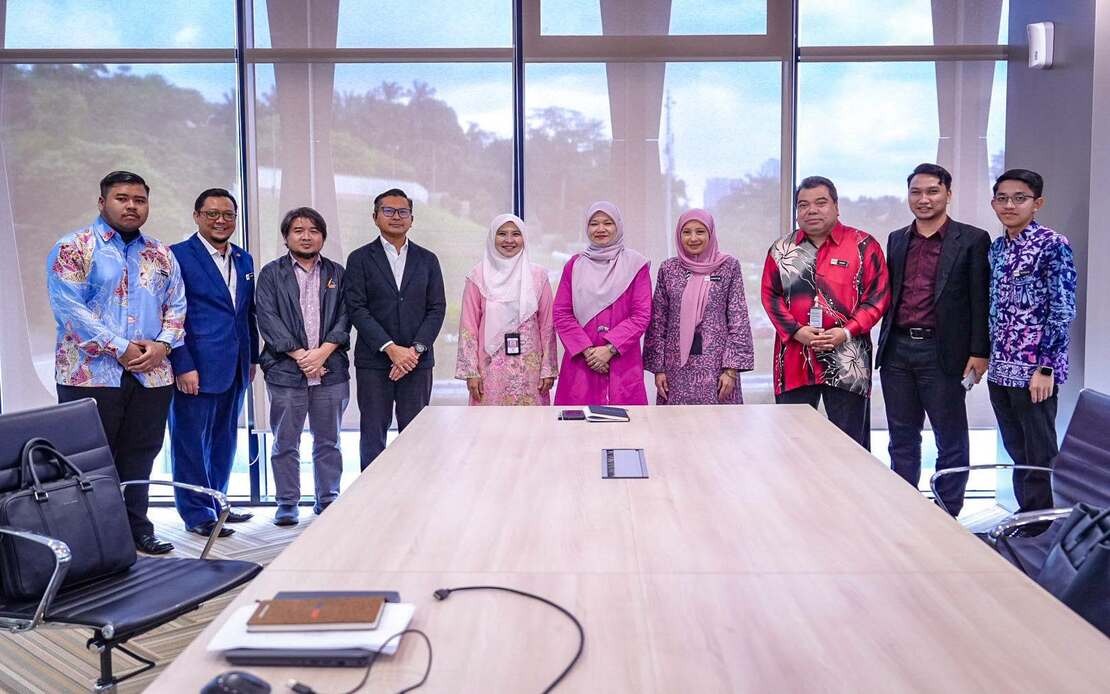
The Malaysian Education Ministry has committed to implementing comprehensive awareness campaigns addressing three critical pieces of child protection legislation across the nation's education system. The initiative, which encompasses the Child Act 2001, the Anti-Bullying Act 2026, and the Sexual Offences Against Children Act 2017, represents a coordinated effort to strengthen safeguards for young Malaysians and create safer learning environments.
Education Minister Fadhlina Sidek announced the advocacy rollout following a strategic meeting with representatives from the Human Rights Commission of Malaysia (SUHAKAM), including Children's Commissioner Dr Farah Nini Dusuki and Dr Mohd Al Adib Samuri. The discussion centred on translating legal protections into practical awareness at the grassroots level, where educators and students interact daily.
The timing of this initiative reflects mounting concerns within Malaysian society regarding emerging threats to child safety. Bullying remains a pervasive issue in schools, manifesting in both traditional and digital formats, while sexual harassment and abuse cases continue to demand greater prevention and intervention capacity. By focusing on legislative awareness, authorities aim to ensure that both educators and students understand their rights and responsibilities under Malaysian law.
The Child Act 2001 remains the foundational legislation governing child protection in Malaysia, establishing minimum standards for welfare, development, and safety. Meanwhile, the Anti-Bullying Act 2026 represents a newer legislative framework specifically designed to address the growing prevalence of peer violence and harassment. The Sexual Offences Against Children Act 2017 provides criminal penalties for those who exploit or abuse minors, yet enforcement requires public understanding and institutional readiness.
A critical component of the advocacy campaign will involve educating school administrators, teachers, and support staff about reporting mechanisms and intervention protocols. Many incidents of bullying and harassment go unreported due to insufficient awareness among school staff about their legal obligations and the support resources available. By equipping educators with comprehensive knowledge of these laws, the Ministry aims to transform schools into institutions that actively detect and respond to child protection concerns.
The partnership between the Education Ministry and SUHAKAM is particularly significant, as it brings together governmental authority with independent human rights expertise. SUHAKAM's role as Malaysia's independent commission provides credibility and oversight capacity, ensuring that advocacy efforts align with international human rights standards and best practices. This collaboration strengthens institutional accountability across the education sector.
Student-focused components of the campaign will likely emphasise peer awareness, helping young people recognise bullying behaviours, understand their rights to report incidents, and develop resilience. Many Malaysian schoolchildren remain unaware of their legal protections or how to access support systems when they experience harassment or abuse. Age-appropriate educational materials could address this knowledge gap across primary and secondary levels.
The initiative also carries implications for digital safety, a dimension increasingly relevant as Malaysian youth navigate social media and online platforms. Cyberbullying, online grooming, and digital harassment fall within the scope of existing laws, yet many students and parents remain unfamiliar with how legislation applies in virtual spaces. Comprehensive advocacy must address both physical and online contexts.
Implementation across Malaysia's diverse education landscape presents logistical challenges requiring coordination between federal and state authorities, alongside international schools and private institutions. The campaign's success will depend on sustained funding, regular training updates, and mechanisms to ensure consistent messaging across the nation's approximately 10,000 schools.
Minister Fadhlina's explicit commitment that "there will be no compromise" on child rights and welfare signals political prioritisation at the highest level. This messaging is crucial for empowering frontline educators to take protective action even when they face institutional resistance or resource constraints. Strong ministerial backing often determines whether policies translate into meaningful practice change.
The broader regional context matters as well. Southeast Asian governments increasingly recognise that child protection requires comprehensive, multi-sectoral approaches. Malaysia's education-centred strategy positions the nation as responsive to contemporary child safety challenges, though effectiveness will ultimately depend on sustained implementation and measurable outcomes tracking.
Successful advocacy campaigns typically combine awareness with accountability mechanisms. Beyond teaching Malaysians about these three laws, the initiative should ideally establish clearer reporting channels, training standards for school personnel, and metrics to evaluate whether awareness translates into better protection outcomes. Without such mechanisms, campaigns risk remaining symbolic rather than transformative.
The Education Ministry's commitment reflects a broader recognition that legal frameworks alone are insufficient without corresponding social awareness and institutional capacity. By investing in education sector advocacy, Malaysian authorities acknowledge that lasting child protection improvements emerge when communities understand, accept, and actively implement protective measures. The campaign's impact will ultimately be measured not just by awareness levels, but by measurable reductions in bullying, harassment, and abuse incidents within Malaysian schools.

