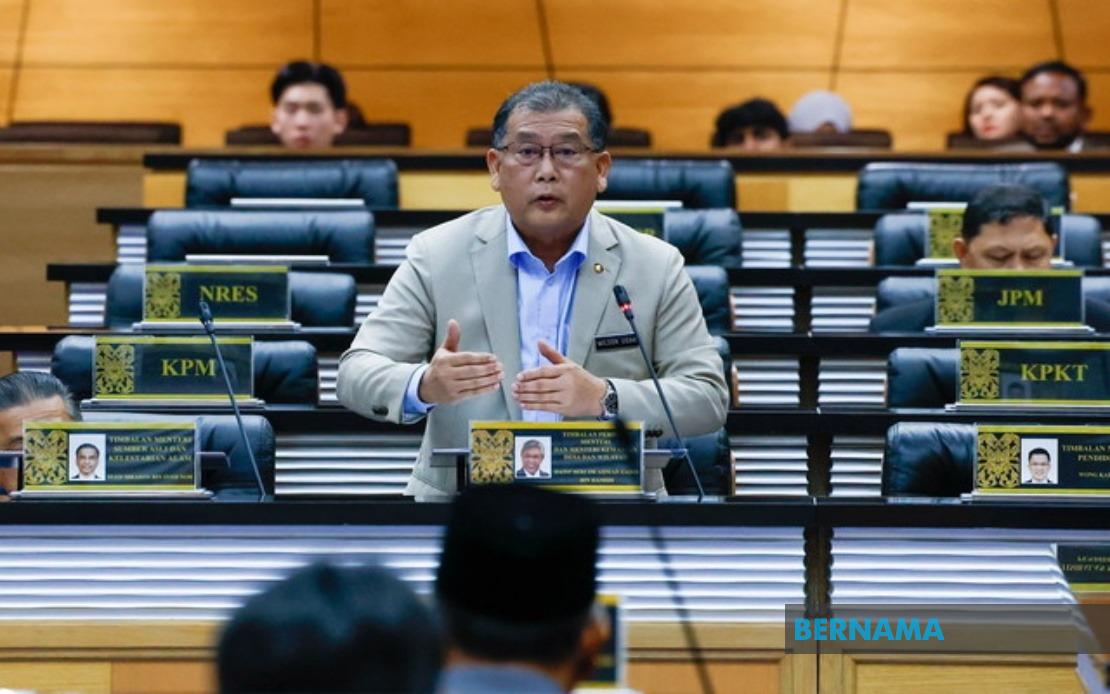
The Malaysian government is accelerating its disaster management infrastructure with 15 permanent relief centres set to become operational in phases throughout the year, encompassing nine states and representing a significant upgrade to how the nation handles emergency response. Deputy Digital Minister Datuk Wilson Ugak Kumbong disclosed the timeline during parliamentary proceedings, highlighting the government's commitment to building resilience against the recurring flooding that has become increasingly common across Southeast Asia's tropical climate zones.
The construction progress is already underway, with facilities in Johor and Pahang fully completed and ready for deployment, while nine additional centres are currently under active construction across other states. A further four locations remain in earlier planning and procurement phases, indicating a staggered approach designed to ensure quality standards and sustainable funding allocation. This measured rollout reflects lessons learned from previous disaster responses, where infrastructure gaps and coordination challenges have hampered relief operations during major flooding events that regularly impact Malaysian communities.
What distinguishes these permanent relief centres from previous emergency arrangements is their dual-purpose design, introduced as government policy in 2023. During normal peacetime operations, these facilities function as community spaces for public use, ensuring that significant capital investments in infrastructure deliver ongoing benefit rather than sitting idle between disasters. This approach represents a practical response to Malaysia's fiscal responsibilities while acknowledging that major floods occur seasonally, particularly during monsoon periods when temporary shelter capacity becomes critically strained.
The impetus for this initiative stems from a longstanding challenge in Malaysian disaster management: the reliance on school premises as makeshift relief shelters. This arrangement has repeatedly disrupted academic calendars, forcing closures and causing learning losses for students during and after major flooding events. Datuk Wilson Ugak specifically noted that the new permanent centres would eliminate this disruption by providing dedicated facilities designed explicitly for disaster response, thereby protecting the continuity of education for affected communities while still ensuring adequate shelter capacity during emergencies.
Each permanent centre has been engineered with comprehensive facilities tailored to emergency management requirements and human dignity. The infrastructure includes a large open hall capable of accommodating up to 500 displaced persons, separate dining facilities with commercial-scale cooking areas, medical treatment rooms staffed during emergencies, bathrooms designed for wheelchair access and persons with disabilities, prayer spaces reflecting Malaysia's multi-faith population, and designated areas specifically planned to provide psychological support for vulnerable groups including children and elderly residents experiencing trauma from disaster displacement.
The site selection methodology prioritises regions with demonstrated vulnerability to flooding, a criterion that has become increasingly relevant as climate patterns appear to intensify precipitation events in specific geographic zones. Datuk Wilson Ugak explained that proposals for centre construction must navigate a hierarchical approval process, first passing through state-level Disaster Management Committees before advancing to the National Disaster Management Agency for technical evaluation and final authorisation. This layered governance structure ensures that local knowledge of flood-prone areas informs infrastructure development while maintaining national standards for facility design and operational readiness.
Beyond the permanent centres themselves, the government is simultaneously upgrading temporary shelter infrastructure as an intermediate measure. The National Disaster Management Agency allocated RM4.44 million in April to enhance facilities at 25 school-based relief centres under the Ministry of Education's purview, improving conditions at locations that will remain in use until permanent alternatives become available. Additionally, a maintenance and repair assistance fund of up to RM50,000 is available for temporary shelters activated during or after the Northeast Monsoon season, ensuring that older facilities remain functional and hygienic during emergency deployments.
The financial investment reflects the government's recognition that disaster preparedness constitutes a critical public service alongside healthcare, education, and infrastructure. By establishing permanent centres with integrated facilities rather than relying on improvised solutions, authorities can pre-position supplies, train staff, conduct regular drills, and ensure rapid activation when monsoon forecasts predict significant flooding. The allocation also acknowledges that Perak and other states heavily affected by recent monsoon flooding warrant priority inclusion in subsequent phases of the national rollout.
This infrastructure expansion occurs within a broader conceptual shift in how Malaysian government agencies approach disaster management. Rather than treating emergency response as exclusively the domain of the National Disaster Management Agency, officials now explicitly embrace a distributed responsibility model involving federal and state governments, the private sector, and communities themselves. Datuk Wilson Ugak articulated this philosophy as a "whole-of-government and whole-of-society" approach, recognising that effective disaster resilience requires coordination across multiple stakeholders rather than centralised command structures.
For Malaysian residents in flood-prone areas, the practical implications are significant. Communities can expect improved shelter conditions if displacement becomes necessary, enhanced storage infrastructure for emergency supplies, and reduced disruption to children's schooling during disaster recovery periods. The centres also signal government investment in regions that experience repeated flooding, potentially generating economic activity through construction and subsequent operations employment.
The initiative also carries implications for Southeast Asian disaster management generally, as Malaysia's approach to balancing permanent infrastructure with fiscal constraints may offer models for other regional nations facing similar challenges. Thailand, the Philippines, and Indonesia all experience comparable monsoon flooding and must allocate limited resources to emergency preparedness while simultaneously addressing other development priorities. Malaysia's decision to integrate disaster relief centres with community facilities demonstrates one practical approach to maximising the value of emergency infrastructure investments.
As implementation proceeds throughout the coming months and years, the effectiveness of these permanent centres will likely influence how other Malaysian government services approach infrastructure planning. The model suggests that durable solutions to recurring seasonal emergencies require dedicated facilities, clear operational protocols, and sustained funding commitments rather than repeated reliance on improvised arrangements that compromise other essential services like education.

