Malaysia has been selected to host the 23rd ASEAN Ministerial Meeting on Science, Technology and Innovation (AMMSTI-23) in June 2027, positioning the nation as a regional hub for scientific cooperation and technological advancement. The decision was formalised at the 22nd edition of the ministerial gathering in Vientiane, Laos, on June 26, reflecting growing confidence in Malaysia's capacity to lead collaborative innovation efforts across Southeast Asia. The conference represents a significant opportunity for the country to showcase its science and technology ecosystem while strengthening ties with regional partners.
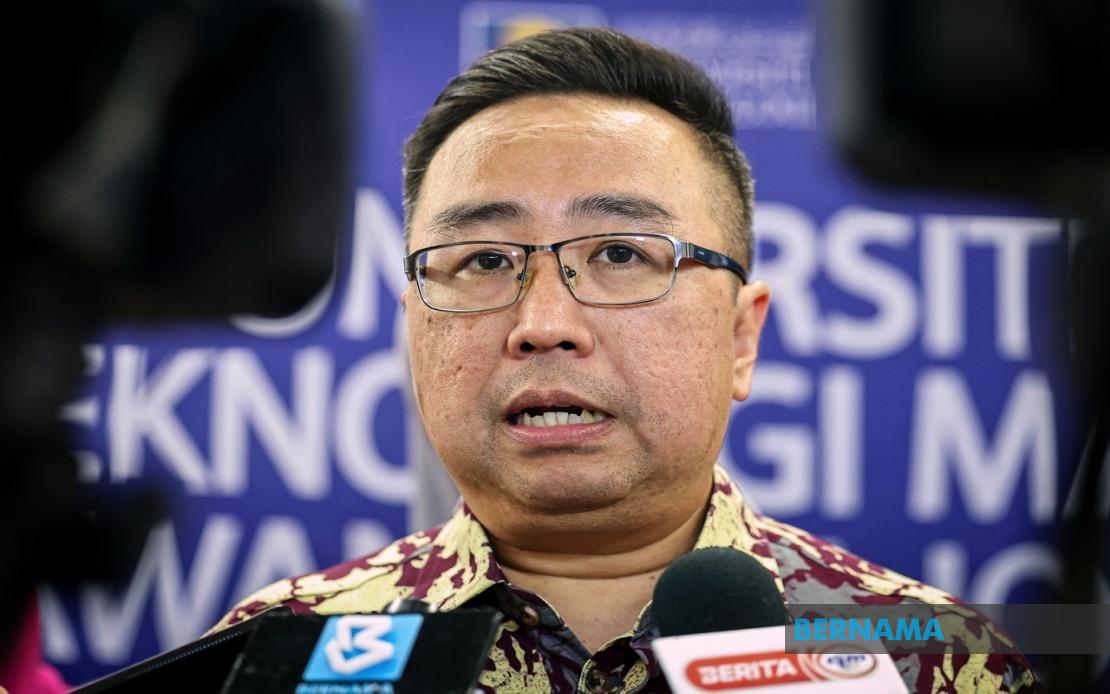
Ministry of Science, Technology and Innovation (MOSTI) Minister Datuk Chang Lih Kang has signalled that developing human capital will be the cornerstone of Malaysia's preparation for the summit. Speaking after the MOSTI TechTalks Series programme in Johor Bahru, Chang emphasised that building a robust pipeline of skilled scientists, engineers, and technology professionals is indispensable for Malaysia's ambitions to attract world-class high-tech investments. This focus acknowledges a critical reality: in the intensifying competition for advanced manufacturing and research facilities across Asia, nations with strong talent ecosystems hold decisive advantages. By investing heavily in human capital development now, Malaysia positions itself to capture emerging opportunities in the knowledge economy over the coming years.
Beyond talent development, MOSTI has outlined a comprehensive agenda targeting six strategic domains. Energy transition features prominently as nations across the region grapple with decarbonisation and shifting towards renewable sources. Artificial intelligence represents another priority, reflecting the transformative potential of machine learning and automation across industries. Digitalisation remains essential for modernising infrastructure and services, while advanced materials and nanotechnology address manufacturing innovation and resource efficiency. The ministry has also identified hydrogen as a key focus area, recognising its role in future energy systems. Biotechnology rounds out the strategic portfolio, offering possibilities in healthcare, agriculture, and industrial applications. This multifaceted approach demonstrates Malaysia's intention to position itself at the forefront of multiple technological frontiers rather than concentrating narrowly on a single sector.
A particularly significant aspect of MOSTI's strategy involves reshaping Malaysia's Technical and Vocational Education and Training (TVET) landscape. Although TVET programmes fall outside MOSTI's direct administrative purview, the ministry has committed to collaborating with other government agencies to modernise curricula and teaching methodologies. Chang underscored that TVET education must evolve beyond traditional technical training to incorporate cutting-edge technologies including robotics, artificial intelligence, and computer coding. This curriculum transformation reflects growing recognition that the future workforce requires hybrid skills blending conventional technical competency with digital literacy and programming capabilities. Students trained exclusively in conventional mechanical or electrical trades risk finding their qualifications obsolete within a decade as automation reshapes manufacturing and service sectors.
The cross-ministerial coordination required for this TVET modernisation is substantial. MOSTI is spearheading consultation with twelve government agencies engaged in vocational education delivery, including the Ministry of Education, Ministry of Higher Education, Ministry of Rural and Regional Development, and Ministry of Human Resources. This sprawling coalition underscores the systemic nature of workforce transformation. Coordinating curriculum changes, teacher training, equipment procurement, and industry partnership across multiple departments and institutional levels poses genuine logistical and budgetary challenges. Successful execution would require sustained political commitment and adequate resource allocation across multiple budget cycles, areas where Malaysia's track record has been mixed.
The MOSTI TechTalks initiative serves as a tactical tool within this broader talent strategy. Held regularly at university campuses throughout the country, the programme creates platforms for direct engagement between young people and leaders within Malaysia's science, technology, and innovation ecosystem. These sessions expose undergraduate and postgraduate students to recent developments, emerging research directions, and industry demands shaping the STI landscape. Critically, they also communicate government priorities and strategic directions, helping students understand how their educational choices align with national needs. Universities across Malaysia have increasingly recognised their role in bridging the gap between academic research and commercial application, and initiatives like TechTalks amplify these bridge-building efforts.
For Malaysian and Southeast Asian readers, the implications extend beyond academic interest. A stronger homegrown innovation ecosystem reduces regional dependence on external expertise and intellectual property from distant global centres. Countries investing in indigenous talent development build resilience and strategic autonomy. The emergence of Malaysia and other ASEAN nations as genuine contributors to global scientific advancement rather than mere consumers of foreign innovation reshapes regional economic dynamics. Multinationals seeking research and development hubs increasingly consider jurisdictions with strong local talent bases, lower operational costs than developed economies, and proximity to fast-growing consumer markets. Malaysia's push to develop talent simultaneously creates high-value employment opportunities for its citizens and improves the nation's attractiveness to global capital seeking innovation partners.
Regional competition in this space is intensifying. Vietnam, Thailand, Indonesia, and Singapore are simultaneously upgrading their science and technology capabilities and attracting international investment. Singapore, with its mature ecosystem and established reputation, maintains advantages in attracting multinational research facilities. However, Malaysia's larger population, growing engineering base, and strategic geographic position create complementary rather than competing strengths. The AMMSTI-23 hosting opportunity provides a platform for showcasing these attributes to peer nations and international stakeholders. Success in the intervening years would require sustained focus, adequate funding for research institutions, and creation of regulatory environments facilitating technology commercialisation and entrepreneurship.
The ministry's emphasis on talent development also reflects lessons from past initiatives. Previous attempts to stimulate innovation through technology parks and special economic zones achieved mixed results, partly because they struggled to attract and retain high-calibre technical professionals. By prioritising human capital, MOSTI acknowledges that infrastructure and incentives alone prove insufficient; the quality and commitment of people driving innovation ultimately determine outcomes. This represents a welcome shift towards addressing structural supply-side constraints in Malaysia's innovation system. However, translating this philosophical reorientation into concrete results—measurable increases in STEM graduates pursuing careers in research and technology, retention of talent that might otherwise seek opportunities abroad, and meaningful technology transfer into Malaysian industry—will test the ministry's execution capabilities and sustained commitment across multiple electoral cycles.

