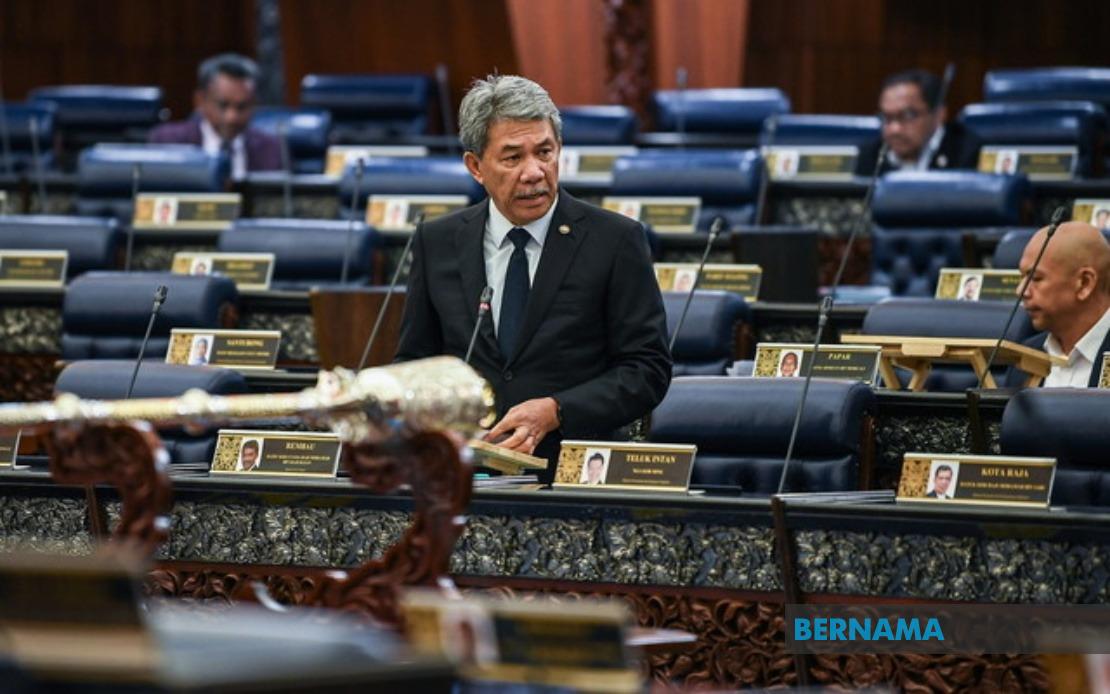
Malaysia is positioning itself as an active participant in international efforts to broker peace in West Asia, with Foreign Minister Datuk Seri Mohamad Hasan confirming the country's commitment to leverage multilateral platforms including the United Nations, UN Security Council, the Organisation of Islamic Cooperation, BRICS and the Non-Aligned Movement. Addressing Members of Parliament on June 23, Hasan revealed that Malaysia had been among the earliest nations to endorse the recently signed memorandum of understanding between the United States and Iran, signalling the country's diplomatic alignment on this critical matter.
The recent US-Iran agreement represents a significant development in efforts to de-escalate regional tensions that have destabilised global markets. The accord establishes a 60-day negotiation window during which both nations will work to formalise and ratify the agreement's terms. According to Hasan, the MoU encompasses 14 substantive provisions addressing reconstruction of Iran's infrastructure—estimated at USD300 billion—alongside commitments to restore passage through the Strait of Hormuz and secure the withdrawal of Israeli forces from occupied territories including Lebanon. These provisions touch upon some of the region's most intractable disputes, making the agreement's successful implementation crucial for regional stability and international commerce.
Malaysia's diplomatic strategy extends beyond passive observation into active engagement with key stakeholders. The Foreign Minister disclosed that he had directly contacted his counterparts in Pakistan—which hosted the negotiations—as well as senior officials from the United Arab Emirates and Saudi Arabia, to express Malaysia's moral support and reaffirm commitment to conflict resolution measures. This personal outreach demonstrates Malaysia's intention to maintain meaningful channels with both moderate Arab states and larger regional powers, positioning the country as a bridge between diverse diplomatic interests. Such engagement is particularly significant given Malaysia's standing within Islamic forums and its historical role as a voice for developing nations.
Beyond bilateral communications, Malaysia is pursuing engagement with the upcoming UN General Assembly leadership to strengthen international consensus around peace initiatives. This multifaceted approach reflects recognition that durable regional settlements require sustained pressure from the broader global community. For Malaysian readers, this diplomatic activism carries particular significance given the country's substantial stake in regional stability—maritime trade through the Strait of Hormuz remains critical to Malaysia's export-dependent economy, and any sustained disruption to shipping lanes would reverberate through local businesses and supply chains.
However, Hasan acknowledged formidable obstacles to achieving sustainable peace. He characterised Israeli resistance to ongoing diplomatic efforts as a fundamental impediment to conflict resolution, asserting that Tel Aviv continues to threaten regional stability through military operations across Gaza, the West Bank, Lebanon and other territories. The Foreign Minister's language reflected frustration with what Malaysia views as obstructionist positions undermining international peacemaking efforts. This assessment places Malaysia within a broader coalition of countries critical of Israeli military actions, though Hasan carefully distinguished between opposition to specific policies and broader geopolitical positions.
A critical constraint on effective international pressure stems from the United States' role within UN Security Council dynamics. Hasan highlighted that Washington has wielded its veto power 31 times to shield Israel from council resolutions, effectively neutralising Security Council mechanisms as tools for compelling Israeli compliance with international consensus. This institutional reality reveals the structural limitations facing countries attempting to mobilise formal UN mechanisms for regional change. For Malaysia and other developing nations seeking to advance their positions through multilateral institutions, the veto reality underscores why alternative platforms—including BRICS, the Non-Aligned Movement and the OIC—have assumed heightened importance.
The diplomatic challenges Malaysia confronts illustrate broader tensions within the contemporary international system. Developed nations' capacity to block collective decisions through Security Council vetoes creates incentives for rising powers and developing countries to construct parallel institutional frameworks. Malaysia's emphasis on BRICS and NAM reflects this reality: these forums ostensibly provide spaces where member states can forge consensus without facing structural exclusion. For Southeast Asian nations like Malaysia, participating in diverse diplomatic frameworks offers partial protection against overdependence on any single bilateral relationship or institutional structure.
The Strait of Hormuz closure referenced by Hasan carries particular economic weight for global commerce and Southeast Asian supply chains. Approximately one-third of global maritime oil trade transits this chokepoint, making any sustained blockade or military confrontation catastrophic for energy prices and manufacturing competitiveness. Malaysia, as a significant energy exporter and import-dependent manufacturing economy, faces direct consequences from regional instability. The Foreign Minister's emphasis on reopening the strait as a key MoU provision reflects this economic imperative underpinning diplomatic engagement.
Malaysia's moral support framework, as articulated by Hasan, emphasises non-military contributions to conflict resolution. Rather than deploying armed forces or financial inducements, Malaysia positions itself as an honest broker and advocate for international law within diverse diplomatic forums. This approach aligns with historical Malaysian foreign policy tradition under previous leaders and reflects the country's relatively limited hard power capacity. For policymakers in Kuala Lumpur, such positioning offers cost-effective influence while maintaining diplomatic flexibility and avoiding entanglement in larger powers' strategic competition.
The 60-day timeframe embedded within the US-Iran agreement creates a defined period during which Malaysia and other stakeholders can intensify diplomatic efforts to solidify progress. This window presents both opportunity and risk—successful negotiations during this period could establish momentum toward broader regional settlements, while failure would likely trigger renewed tensions and recriminations. Malaysia's proactive engagement during this crucial window suggests strategic foresight regarding the importance of early momentum in peace processes.
For Southeast Asian observers, Malaysia's diplomatic activism raises questions about regional alignment and positioning relative to great power competition. By maintaining engagement with multiple platforms and avoiding exclusive alignment with any single power bloc, Malaysia seeks to preserve autonomy while advancing perceived interests in regional stability. This balancing act reflects constraints facing mid-sized nations navigating between established powers and emerging centres of influence. The country's emphasis on OIC and NAM participation signals particular attention to solidifying standing within Islamic and developing world constituencies.