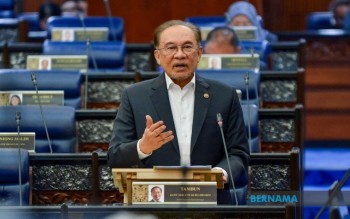
Malaysia's government has committed to examining the feasibility and implementation strategies for establishing a national petroleum reserve stock, according to Prime Minister Datuk Seri Anwar Ibrahim. This decision emerged from the first National Energy Council Meeting of 2026, which the Prime Minister chaired, reflecting deeper concerns about protecting the nation's energy infrastructure amid volatile global conditions and recurring supply chain challenges. The initiative represents a significant step towards safeguarding Malaysia's long-term energy independence and economic stability in an increasingly unpredictable geopolitical landscape.
The rationale behind exploring a strategic petroleum reserve stems from the complex interplay of contemporary global risks. Geopolitical tensions, trade disputes, and supply chain vulnerabilities have created an environment where energy-dependent nations face genuine security threats. By establishing stockpiles of petroleum products, Malaysia would create a buffer against sudden disruptions that could otherwise cripple industrial production, transportation systems, and critical services. This approach reflects lessons learned from previous global crises and the recognition that energy resilience is as vital to national security as military preparedness.
The petroleum reserve initiative sits within a broader energy transition framework that the government has been systematically advancing. Malaysia's National Energy Transition Roadmap provides the overarching strategy, and the latest council meeting affirmed commitment to implementing this agenda methodically and with measurable impact. The government recognises that transitioning away from fossil fuels does not mean abandoning strategic preparedness for petroleum supplies; rather, both objectives must coexist during a prolonged transition period where hydrocarbons remain essential to national operations.
Renewable energy deployment continues accelerating across Malaysia's electricity generation portfolio. By December 2025, renewable energy sources comprised 31 percent of the country's installed capacity, demonstrating tangible progress in reducing reliance on coal-fired power stations. This expansion reflects investments in solar, wind, and hydroelectric facilities distributed across Peninsular Malaysia and East Malaysia. The rising renewable share simultaneously reduces the environmental footprint of electricity generation and decreases vulnerability to coal supply disruptions, addressing two strategic concerns through a unified approach.
Corporate participation in renewable energy development has strengthened through the Corporate Renewable Energy Supply Scheme, which now integrates battery energy storage systems. This integration proves particularly significant because intermittency challenges that plagued earlier renewable deployments are now being systematically addressed. Storage capacity allows excess renewable generation during optimal weather conditions to be preserved for use during peak demand periods or when natural generation declines. This technological combination creates a more stable and predictable renewable energy supply chain that industrial users and utility operators can depend upon.
The transport sector is undergoing parallel transformation toward sustainability. Malaysia's ongoing rollout of B15 biodiesel across the transportation network represents a practical step toward reducing petroleum consumption in this critical sector. The government's investment in a biofuel hub at Pengerang in Johor will establish domestic production capacity, reducing import dependence and creating industrial opportunities in an emerging bioeconomy. This facility will process local biomass resources into usable fuels, strengthening the entire supply chain for alternative fuels and reducing vulnerability to international petroleum price fluctuations.
Public transport electrification efforts are progressing measurably and represent the long-term trajectory away from combustion-engine vehicles. Currently, 250 electric buses operate across Malaysian cities, with plans for significant expansion. Simultaneously, the rail network has seen 800 kilometres of electrified track deployed nationwide, supporting passenger and freight movement without fossil fuel consumption. These investments collectively reshape urban and inter-city mobility patterns, reducing aggregate petroleum demand and lowering emissions from transport, historically one of Malaysia's largest energy-consuming sectors.
Hydrogen technology development adds another dimension to Malaysia's energy diversification strategy. The Autonomous Rapid Transit system planned for Sarawak includes a hydrogen hub designed to power future rapid transit operations, with Phase 1 construction targeted for completion by year-end. Hydrogen represents a long-term energy carrier that could eventually replace fossil fuels across heavy industry, transportation, and potentially stationary energy applications. Sarawak's particular suitability for hydrogen development stems from available renewable energy resources and existing industrial infrastructure.
The interconnection between petroleum reserve planning and renewable energy expansion may seem paradoxical but reflects pragmatic energy policy. Malaysia cannot abandon petroleum infrastructure overnight; centuries of industrial development depend fundamentally on fossil fuels. Simultaneously, building a petroleum reserve during a transition away from petroleum dependence addresses a specific vulnerability window. As renewable capacity expands and electrification deepens, petroleum demand will gradually decline, eventually making large reserves less critical. The reserve therefore functions as a bridging mechanism during this transition, protecting economic activity while permanent structural changes take effect.
For Southeast Asian observers, Malaysia's approach offers instructive lessons about balancing energy security with climate objectives. The region remains vulnerable to supply disruptions and faces mounting pressure to decarbonise industrial sectors. Malaysia's dual strategy of reinforcing petroleum resilience while aggressively deploying alternatives acknowledges both imperatives. Other ASEAN nations managing similar energy transitions may find Malaysia's integrated approach—combining reserves, renewables, efficiency improvements, and alternative fuels—applicable to their own strategic planning.
The petroleum reserve study will require detailed analysis of storage infrastructure requirements, maintenance protocols, and strategic positioning to maximise utility during crises. Location decisions will influence supply chain logistics, transportation costs, and accessibility during emergencies. The government must also determine optimal reserve volumes, balancing security benefits against fiscal costs and storage facility investments. These technical questions demand rigorous analysis and international consultation, as other nations maintain strategic reserves and possess relevant operational experience.
Implementing these interconnected energy initiatives demands sustained political commitment and substantial capital investment across multiple horizons. The National Energy Council's ongoing engagement signals that energy policy remains central to Malaysian governance, suggesting continued prioritisation of these strategic objectives regardless of political transitions. This consistency provides confidence to investors in renewable infrastructure, biofuel facilities, and electric transportation networks that government support will endure.

