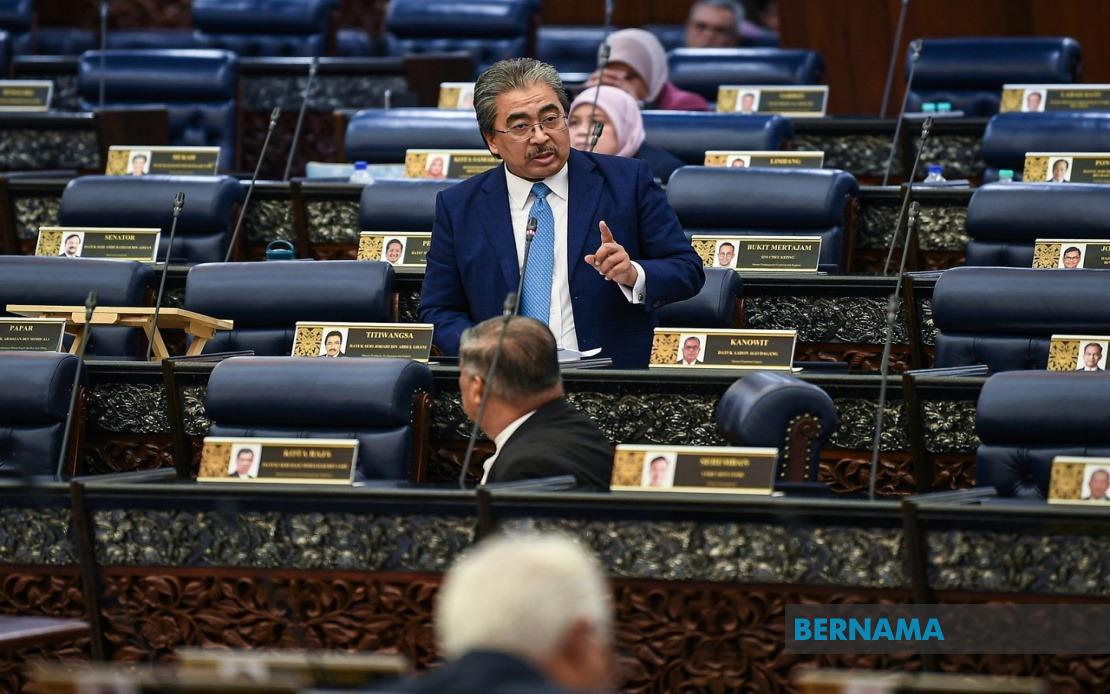
Malaysia is moving to establish a formal mechanism blocking the importation of goods manufactured using forced labour, a defensive measure designed to satisfy international trading standards and protect the country's export competitiveness. Investment, Trade and Industry Minister Datuk Seri Johari Abdul Ghani outlined the initiative during parliamentary proceedings, emphasising that the government recognises the urgency of this regulatory framework as foreign partners increasingly scrutinise supply chain ethics.
The initiative comes through an Inter-Agency Task Force on Forced Labour, established with the ministry at its helm and drawing participation from multiple government bodies. The collaborative structure reflects the complexity of enforcing labour standards across Malaysia's diverse manufacturing and agricultural sectors. Represented are the Ministry of Finance, Ministry of Foreign Affairs, Ministry of Home Affairs, Ministry of Human Resources, and Ministry of Transport, alongside enforcement agencies including the Attorney-General's Chambers, Royal Malaysian Customs Department, Malaysian Border Control and Protection Agency, Royal Malaysian Police, Malaysian Investment Development Authority, and Malaysian External Trade Development Corporation.
Currently, Malaysia operates without explicit domestic legislation or enforcement mechanisms targeting forced labour in imported goods. This regulatory gap has placed the country at a disadvantage internationally, particularly as major trading partners adopt stricter compliance requirements. The task force's assignment encompasses designing and implementing a comprehensive system that can identify, intercept, and prohibit entry of such goods at Malaysian ports and border checkpoints.
The timing of this initiative is strategically significant, directly connected to mounting pressure from the United States government. In early June, Washington announced preliminary findings from an investigation encompassing 60 countries suspected of inadequate enforcement of forced labour import restrictions. Malaysia featured prominently among 54 nations identified as lacking specific legal prohibitions on goods produced through forced labour, while six other countries possessed legislation but failed to enforce it effectively.
Most pressingly, the US has signalled an intention to impose a 10 per cent indicative tariff on Malaysian imports after July 24 should the country fail to address forced labour concerns. This threat carries substantial economic implications, potentially affecting Malaysia's competitive positioning in the American market and triggering wider trade complications. The tariff would apply specifically to the forced labour investigation track, distinguishing it from a parallel market access investigation still underway.
For Malaysian exporters and manufacturers, particularly those in labour-intensive sectors such as electronics, palm oil processing, and textiles, these developments represent a critical juncture. The 10 per cent tariff could significantly erode profit margins and market share, especially for companies operating on tight specifications. Manufacturers relying on complex global supply chains may face additional compliance costs to verify that neither direct suppliers nor subcontractors employ forced labour practices.
The government's proactive approach reflects acknowledgement that regulatory gaps create vulnerability to both economic penalties and reputational damage. Beyond the immediate US tariff threat, establishing forced labour import controls positions Malaysia more favourably with other developed economies and institutional buyers increasingly conducting ethical supply chain audits. The European Union and other major trading blocs are moving in similar directions, suggesting that anticipating this requirement now could provide Malaysian businesses with competitive advantage.
Implementing such a mechanism presents practical challenges. Malaysian customs authorities would require enhanced training, technological infrastructure for screening, and potentially new evidentiary standards to determine whether goods were produced using forced labour. The task force must balance enforcement rigour with operational efficiency, avoiding lengthy import delays that would frustrate legitimate traders. Establishing reliable verification systems will likely necessitate cooperation with producer countries, certification bodies, and industry associations.
For Malaysia's trading relationships, this initiative carries broader implications. The country has historically positioned itself as a reliable trading partner offering manufacturing excellence and business stability. Demonstrating commitment to labour standards reinforces this positioning and differentiates Malaysian suppliers from competitors in markets where ethical sourcing commands premium pricing or preferential treatment. However, implementation effectiveness will determine whether this translates into genuine competitive advantage or merely symbolic compliance.
The Inter-Agency Task Force structure suggests the government recognises that forced labour prevention requires coordinated action across customs, immigration, labour, and law enforcement domains. Information sharing between these agencies, often fragmented in practice, will be essential. The inclusion of trade development corporations signals intention to balance enforcement with business support, potentially including guidance and capacity-building assistance for companies adjusting supply chain practices.
Malaysia's response to the US investigation demonstrates how global supply chain scrutiny is reshaping trade relationships and domestic policy. Rather than viewing the forced labour mechanism as merely defensive, forward-thinking companies might leverage it to strengthen competitive positioning, particularly as consumer preferences increasingly favour ethically sourced products. The initiative also establishes Malaysia as a serious participant in the international consensus around labour standards, potentially opening diplomatic and trade opportunities with partners prioritising these values.
The July 24 deadline creates meaningful pressure for implementation progress, though task force officials acknowledge the forced labour investigation is nearing completion while market access discussions continue. This suggests the tariff decision may proceed on the forced labour track independently. Malaysian policymakers must accelerate mechanism design and legislative drafting to present credible implementation plans before the deadline, potentially purchasing time for full operationalisation of enforcement systems.