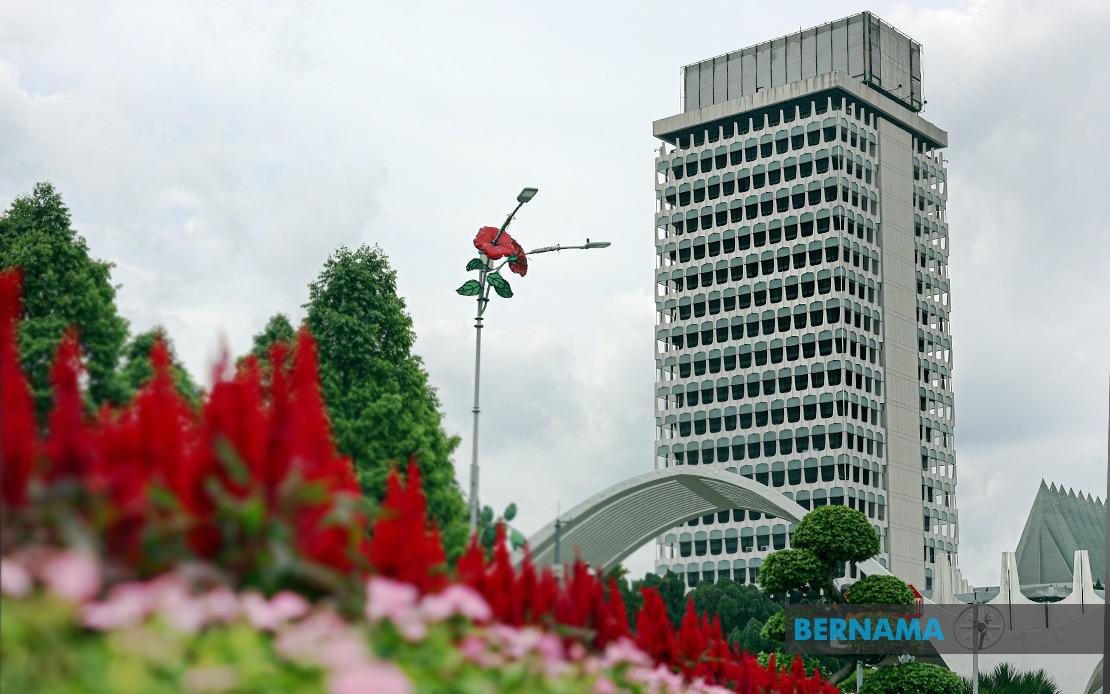
The Malaysian Parliament is preparing to engage substantive debates on two issues with significant implications for national prosperity and regional stability: the development prospects of the Malaysia-Thailand Border Economic Zone and the escalating tension affecting shipping through the Strait of Hormuz. These topics are expected to dominate proceedings during ministerial question time at the Dewan Rakyat sitting scheduled to commence at 10 am, reflecting growing parliamentary concern about both regional economic integration and global maritime security threats.
Datuk Adnan Abu Hassan, the Member for Kuala Pilah representing the Barisan Nasional coalition, will seek clarification from the Prime Minister regarding the anticipated economic dividends flowing from the Malaysia-Thailand Border Economic Zone initiative. His questioning will centre on identifying concrete benefits projected to accrue to Malaysia through this cross-border development framework, a mechanism designed to harness shared economic potential between the two neighbouring nations. The distinction between national-level gains and localised benefits matters considerably in border policy discourse, particularly given historical patterns where central benefits fail to materialise in peripheral communities.
Beyond aggregate economic projections, Adnan Abu Hassan will also probe the government's strategy for channelling prosperity toward smaller enterprises and residents within the border regions themselves. This line of inquiry reflects a persistent challenge in Malaysian regional development: ensuring that transnational economic initiatives do not concentrate benefits among large corporations and major urban centres whilst leaving border communities marginalised. The Malaysia-Thailand BEZ represents an opportunity to demonstrate inclusive growth mechanisms, yet the underlying mechanisms to achieve this distribution remain unclear to parliamentarians and merit detailed explanation.
Parallel to questions about regional prosperity, Datuk Rosol Wahid from Perikatan Nasional representing Hulu Terengganu will direct parliamentary attention toward the destabilising effects of prolonged crisis in the Strait of Hormuz. This critical waterway, through which approximately one-third of global seaborne traded oil transits, has become increasingly volatile due to regional tensions. Rosol Wahid will request that the government articulate its assessment of how this maritime insecurity threatens Malaysia's political equilibrium and economic resilience, concerns that extend well beyond academic interest given Malaysia's substantial dependence on stable energy supplies and uninterrupted shipping corridors.
The government's response to questions about Hormuz implications will reveal official thinking regarding mitigation strategies and contingency planning. For Malaysia, a trading nation reliant on maritime commerce, prolonged disruptions to Middle Eastern energy supplies or shipping route safety constitute material threats to industrial production, electricity generation, and fuel security. The parliamentary inquiry signals recognition that the Hormuz situation transcends regional Middle Eastern politics and demands integration into Malaysian strategic planning and resource allocation.
Another parliamentary focus will address the nationwide problem of illegal highway racing, prompted by a significant incident occurring in Simpang Renggam, Johor in early June. Datuk Yusuf Abd Wahab, representing Tanjong Manis under the GPS party, will interrogate the Transport Minister regarding departmental initiatives to suppress dangerous street racing activities. This enquiry reflects public safety concerns amongst parliamentarians, following a visible incident that crystallised broader anxieties about uncontrolled racing endangering public life on Malaysian highways. The Transport Ministry's response will outline enforcement tactics, education campaigns, and legislative mechanisms deployed against offenders.
Beyond question time, Parliament will advance legislative business through introduction of the Statistics Bill 2026, which the Economy Minister will present for first reading. This legislation represents an effort to modernise Malaysia's statistical frameworks, potentially affecting data collection methodologies, privacy protections, and information governance across government and research sectors. The provisions will warrant scrutiny from parliamentarians concerned with balancing statistical utility against individual privacy rights.
The Finance Minister will similarly introduce the National Trust Fund Bill 2026, another first-reading item addressing fiscal architecture and trust mechanisms within the national financial system. These legislative instruments, though technical in character, establish foundational rules governing how Malaysia manages information and allocates resources, warranting serious parliamentary consideration despite their administrative appearance.
A particularly significant item involves Datuk Seri Azalina Othman Said, serving as Minister in the Prime Minister's Department overseeing legal and institutional matters, tabling findings from the Parliamentary Special Select Committee examining constitutional amendments regarding the Attorney General and Public Prosecutor roles. This report reflects deliberations conducted across seven committee meetings, during which members refined an ambitious proposal to strengthen the institutional independence and accountability of the Public Prosecutor's office through structural separation from the Attorney General position. Azalina indicated that the committee identified seven key refinements enhancing independence, integrity, and accountability frameworks within prosecutorial institutions.
The proposed constitutional amendments carry substantial implications for Malaysia's legal architecture and separation of powers. Historically, the combined Attorney General-Public Prosecutor arrangement has generated debate about whether prosecutorial independence sufficiently insulates legal proceedings from political influence. The committee's work suggests Parliament recognises that institutional design influences public confidence in the administration of justice. Separating these roles could theoretically enhance prosecutorial autonomy and reduce perceptions of executive influence over criminal proceedings, though implementation will prove complex and require careful calibration to avoid operational inefficiencies.
The current parliamentary session runs for sixteen days commencing June 22 and concluding the following Thursday, providing legislators adequate time to process these multifaceted issues ranging from regional economic integration through constitutional architecture. The breadth of topics confirms Parliament's engagement with questions spanning immediate public safety concerns, long-term institutional reform, and international economic-security intersections. These deliberations will shape Malaysia's institutional development and regional positioning during a period characterised by multiple challenges requiring coordinated policy responses and democratic legitimacy.

