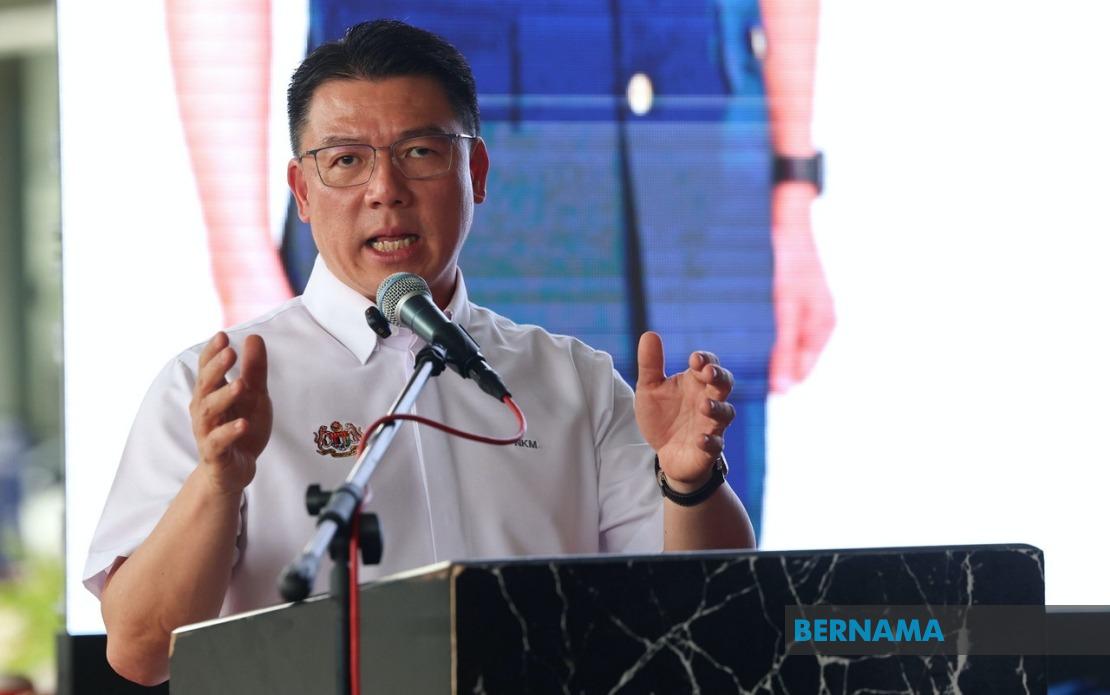
Malaysia is positioning itself to learn from Japan's internationally recognised approach to waste management as the country pursues a more comprehensive shift towards circular economic models. Housing and Local Government Minister Nga Kor Ming outlined the strategic interest during a meeting with Japanese Ambassador to Malaysia Noriyuki Shikata, signalling a broader commitment to transforming how Malaysians handle waste and view environmental stewardship in their daily lives.
The foundation for this collaboration rests on Japan's proven track record in creating a society where waste separation at source has become deeply embedded in public behaviour. Unlike enforcement-driven approaches, Japan's system operates on the principle that good habits formed from childhood create lasting cultural change. Nga emphasised that Malaysia aims to replicate this cultural shift rather than simply importing regulatory frameworks, recognising that sustainable environmental practices require genuine behavioural transformation across all age groups and socioeconomic backgrounds.
To formalise this partnership, Malaysia's Cabinet has approved a Memorandum of Understanding between the two nations that will facilitate systematic knowledge transfer. The MoU will enable the exchange of technological solutions, technical expertise, and proven best practices in waste management and circular economy development. This framework provides a structured pathway for Malaysian officials, waste management operators, and local authorities to study and adapt Japanese methodologies to the Malaysian context, accounting for differences in urban density, climate, and existing infrastructure.
Malaysia has already demonstrated commitment to circular economy principles through several domestic initiatives. The National Circular Economy Blueprint serves as the strategic roadmap for the transition, while the establishment of the National Circular Economy Council provides institutional oversight and coordination across government agencies. These foundations indicate that Malaysia views the Japanese partnership as an opportunity to accelerate existing programmes rather than starting afresh, suggesting integration of Japanese lessons into frameworks already under development.
Practical measures already in place demonstrate this momentum. Shopping malls throughout the country now face licensing requirements that mandate recycling facilities, embedding waste management considerations into commercial infrastructure planning. Simultaneously, the government continues its campaign to phase out single-use plastic bags, a symbolic but significant step that changes both consumer behaviour and retail operations. These incremental changes suggest Malaysia recognises that circular economy transitions require action across multiple fronts simultaneously rather than relying on single policy levers.
Nga articulated a vision where Malaysia leverages Japanese technological and operational expertise to create cleaner, greener urban environments. The combination of Japanese innovation with Malaysia's domestic reforms represents a pragmatic acknowledgement that developing nations can benefit from studying proven models while maintaining flexibility to adapt solutions to local conditions. This approach differs markedly from wholesale policy transplantation, instead emphasising selective adoption of transferable principles.
The invitation to participate in GREEN×EXPO 2027 in Yokohama signals longer-term engagement between the countries. Such international exhibitions and forums provide platforms where Malaysian delegations can interact with leading waste management technology providers, observe contemporary Japanese practices, and network with counterparts from other nations pursuing similar circular economy transitions. For Malaysian municipalities and waste management companies, these opportunities translate into exposure to cutting-edge solutions and business possibilities in the sustainable technology sector.
The emphasis on developing environmental habits from childhood reflects growing recognition that circular economy success requires generational commitment. By instilling waste separation practices in school curricula and household routines, Malaysia aims to create constituencies that view environmental responsibility as normal rather than burdensome. This approach acknowledges that demographic change and cultural evolution operate on longer timescales than policy implementation, requiring patient investment in education and social conditioning.
For Southeast Asia more broadly, Malaysia's engagement with Japan represents a model of regional cooperation on environmental challenges. As neighbouring countries face similar waste management pressures from rapid urbanisation and consumption growth, successful Malaysian adaptation of Japanese practices could provide a replicable template for the region. The visibility of this partnership may encourage other Southeast Asian governments to pursue comparable arrangements, gradually building a regional knowledge network around circular economy transitions.
The timing of this initiative reflects Malaysia's positioning within global sustainability agendas. With international attention on circular economy principles and environmental responsibility, the partnership demonstrates Malaysian commitment to transitioning beyond linear waste management models. For domestic stakeholders, particularly businesses operating in sectors affected by waste regulations and recycling requirements, the clarified policy direction and expected technological transfers offer opportunities for innovation and competitive advantage in increasingly eco-conscious markets.
Implementation challenges remain substantial. Scaling Japanese practices across Malaysia's diverse urban and rural contexts requires adaptation of technologies, training of workforce personnel, and sustained public engagement. The effectiveness of this partnership will ultimately depend on how thoroughly Malaysian authorities integrate Japanese lessons into local governance structures and whether communities embrace the cultural shift towards environmental responsibility that Japan has cultivated over decades. Success would position Malaysia as a regional leader in circular economy implementation, potentially attracting investment in green technology and sustainable manufacturing sectors.

