Malaysia is taking fresh steps to overhaul how it manages the recruitment and employment of Bangladeshi workers, one of the largest pools of foreign labour sustaining the country's economic expansion. The Ministry of Human Resources has pledged to fortify mechanisms governing foreign worker intake, ensuring that the hiring process from Bangladesh adheres to principles of transparency, impartiality and ethical conduct. The commitment reflects mutual resolve between Kuala Lumpur and Dhaka to shield workers from exploitative conditions and discriminatory treatment throughout the recruitment cycle.
Datak Seri R. Ramanan, the Human Resources Minister, underscored the significance of this renewed focus, noting that Bangladesh ranks among Malaysia's principal suppliers of migrant labour. The relationship carries substantial weight for Malaysia's development agenda, as Bangladeshi workers fill critical roles across manufacturing, construction, hospitality and domestic service sectors. Strengthening the governance framework is therefore not merely a humanitarian imperative but a pragmatic necessity for sustaining reliable access to skilled and semi-skilled personnel in a tightening global labour market.
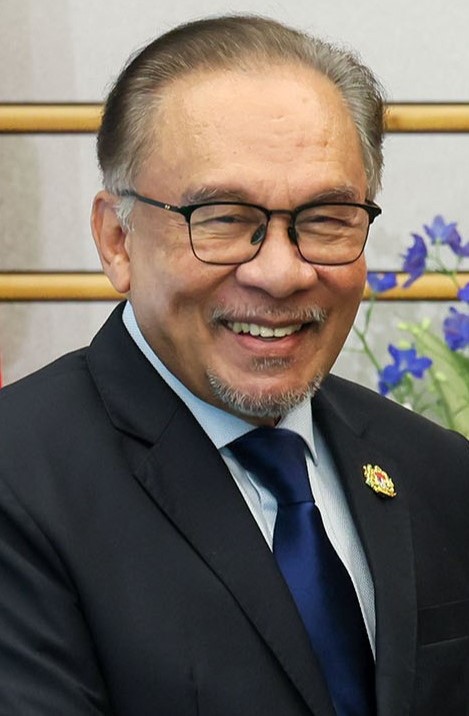
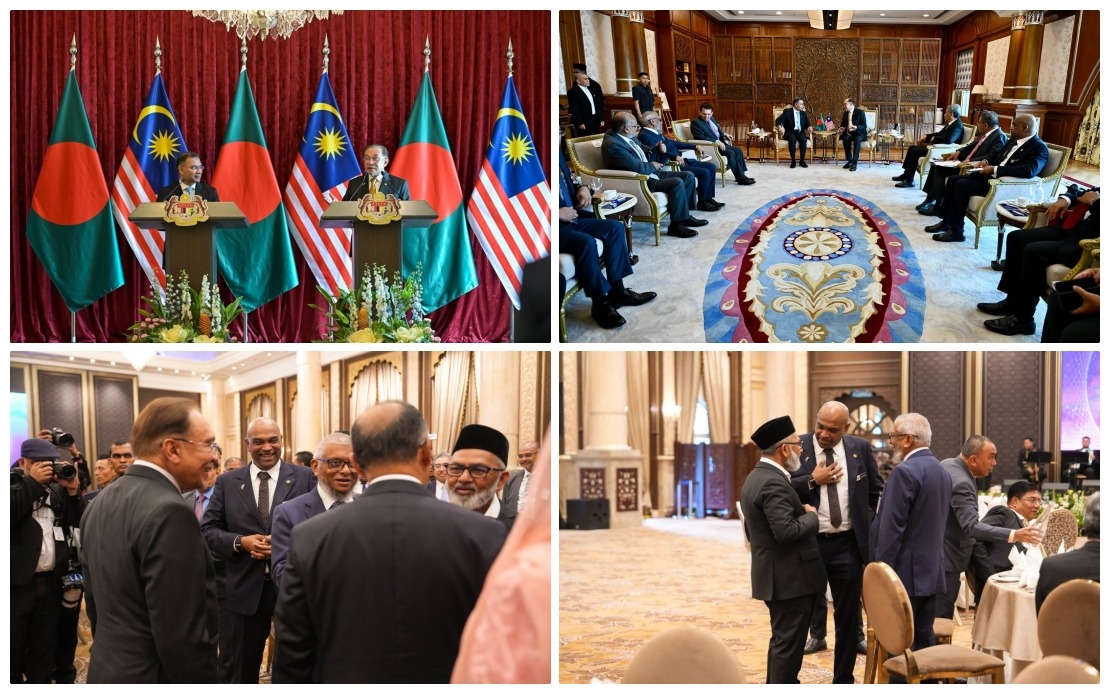
The foundation for this enhanced partnership was laid during high-level talks between Prime Minister Datuk Seri Anwar Ibrahim and Bangladesh's Premier Tarique Rahman. The two leaders agreed to establish a Joint Working Group tasked with evaluating the existing Memorandum of Understanding between the nations and designing a successor agreement tailored to contemporary migration realities. This institutional mechanism signals serious intent to move beyond rhetoric towards concrete reforms in how workers are sourced, vetted, deployed and protected.
The timing of this initiative coincides with Tarique's inaugural official bilateral visit abroad since taking office in February, underscoring Bangladesh's diplomatic priority placed on the Malaysia relationship. For Dhaka, ensuring that its citizens working in Malaysia enjoy safe conditions and fair treatment while generating valuable remittances is a central foreign policy objective. The establishment of the JWG demonstrates that both governments view orderly labour migration as foundational to their broader strategic partnership.
The existing MoU between Malaysia and Bangladesh has guided bilateral labour movement for years, but evolving global standards on migrant worker rights, shifting domestic labour market dynamics in both nations, and documented cases of exploitation have exposed gaps requiring attention. The planned revision aims to incorporate modern best practices in recruitment screening, contract transparency, dispute resolution mechanisms and worker grievance handling. These elements are essential for preventing the abuses that have occasionally tarnished Malaysia's reputation as a destination for foreign workers.
Ramanan emphasised that strengthening human resource cooperation with Bangladesh would yield benefits extending beyond immediate recruitment efficiency. Enhanced governance safeguards worker welfare, protects fundamental rights and ensures that labour mobility serves the genuine interests of employees rather than enriching unscrupulous agents and employers. Simultaneously, systematic improvements help Malaysia maintain access to reliable labour supplies while building the institutional trust necessary for sustainable, long-term migration partnerships.
The Ministry's commitment to expand strategic cooperation with source countries including Bangladesh reflects a broader regional recalibration. Southeast Asian economies increasingly recognise that managing intra-regional labour flows responsibly—through transparent hiring protocols, enforceable protections and genuine accountability—creates competitive advantage in attracting quality workers while reducing reputational and operational risks. Malaysia's approach aligns with international labour standards championed by the International Labour Organization and acknowledges growing scrutiny from civil society organisations monitoring migrant worker conditions.
For Malaysian employers across sectors reliant on Bangladeshi talent, the governance enhancements offer potential clarity and legitimacy in their recruitment practices. Businesses operating within a rules-based system with clear accountability mechanisms gain predictability and reduce exposure to legal complications arising from employee mistreatment or contract breaches. The collaborative framework also positions Malaysia as a responsible employer nation, an image valuable for maintaining labour supply relationships with Bangladesh and other source countries.
The JWG's work will likely encompass multiple dimensions: verification procedures to identify genuinely qualified candidates, bilateral coordination to combat trafficking and document fraud, mechanisms ensuring pre-departure orientation and information access for intending workers, streamlined channels for addressing grievances and disputes, and periodic audits of employer compliance. These elements collectively address vulnerabilities in existing systems where information asymmetries, linguistic barriers and distance from home countries have historically disadvantaged migrant workers.
Bangladesh's interest in elevating recruitment standards reflects both humanitarian concerns and economic calculations. With over nine million Bangladeshi workers abroad and remittances constituting roughly six percent of gross domestic product, the nation has profound stakes in ensuring that labour migration remains orderly, safe and beneficial. Enhanced governance mechanisms reduce risks of worker exploitation that generate diplomatic incidents, negative media coverage and reputational damage affecting broader bilateral ties.
The initiative also carries implications for Malaysia's broader labour market strategy as the country pursues higher-value manufacturing and service sector development. By ensuring ethical, transparent recruitment from trusted source countries like Bangladesh, Malaysia can attract and retain committed, productive workers while maintaining social cohesion and avoiding the labour market distortions that arise when workers are trapped in exploitative situations. This virtuous cycle—combining worker dignity with employer responsibility and national labour force stability—represents the mature approach to migration governance that both countries now appear committed to institutionalising through their renewed partnership framework.