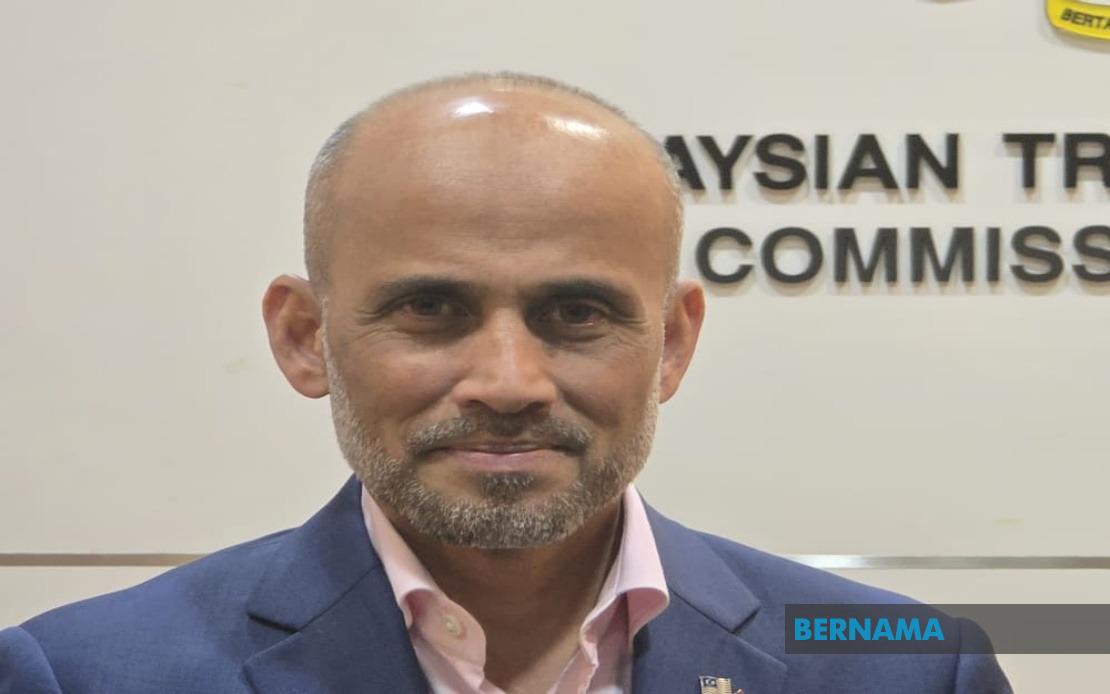
The relationship between Malaysia and Singapore has matured considerably through sustained diplomatic effort and collaborative problem-solving during periods of significant external pressure, according to Datuk Dr Azfar Mohamad Mustafar, who is concluding his tenure as Malaysia's High Commissioner to the republic. In remarks reflecting on his five-year posting, which began in June 2021, Azfar emphasised that the strength of bilateral ties stems from both nations' willingness to confront shared obstacles head-on. The partnership has proven resilient against pandemic disruptions and broader geopolitical volatility affecting the region, he noted, though he acknowledged considerable scope for further advancement in the relationship.
When Azfar took up his position in mid-2021, the full force of the COVID-19 pandemic was still disrupting normal cross-border activity. The closure of land boundaries, though necessary to contain viral transmission, created pronounced difficulties for the substantial population of Malaysians whose livelihoods depend on daily movement into Singapore for employment and commercial purposes. This situation generated considerable strain on consular services, as the volume of citizens requiring assistance during the restrictions tested diplomatic infrastructure. Azfar described his early priority as addressing these consular pressures with urgency, recognising that the human dimension of the crisis demanded rapid, coordinated responses between the two governments.
Beyond the immediate pandemic response, Azfar has pointed to the economic recovery as a defining achievement of his tenure. Trade and investment flows between Malaysia and Singapore have rebounded sharply from pandemic lows and now substantially exceed pre-COVID levels. Singapore remains entrenched among Malaysia's foremost trading partners, a position reflecting decades of integrated commerce and financial linkages. More significantly, the island nation continues funnelling substantial investment capital into the Malaysian economy, maintaining its status as a major source of foreign direct investment that funds infrastructure, manufacturing, and services expansion across the country.
The emergence of the Johor-Singapore Special Economic Zone represents a pivotal development in economic cooperation between the neighbours. This flagship initiative promises to unlock additional cross-border commercial activity and investment, particularly within Johor, which stands to benefit substantially from enhanced integration with Singapore's advanced financial services, logistics, and technology sectors. Azfar expressed optimism that Singapore's corporate sector will view the special zone and associated opportunities as attractive avenues for deepening investment exposure to the Malaysian market. The zone exemplifies how institutional frameworks can translate political goodwill into tangible economic gains for both parties.
Looking ahead to Singapore's assumption of the ASEAN chairmanship in 2025, Malaysia intends to provide substantive support for the republic's agenda. Economic integration across the ten-member bloc emerges as a priority area for Singapore's leadership, with particular emphasis on deepening trade linkages and financial coordination among member states. Malaysia has indicated firm commitment to advancing these integration efforts, viewing them as beneficial to the broader regional project of enhancing ASEAN's competitiveness and coherence in an increasingly multipolar world economy. This collaborative approach reflects recognition that shared prosperity and institutional strength benefit all member nations.
Among concrete regional initiatives requiring joint effort, the ASEAN Power Grid project looms particularly large. This multinational infrastructure undertaking aims to harmonise electricity generation and distribution across Southeast Asia, creating seamless energy markets that improve efficiency and resource allocation. Malaysia and Singapore will collaborate closely on advancing this project, which addresses the region's escalating energy demands while supporting the transition toward more sustainable power generation. The power grid initiative exemplifies how transnational infrastructure can simultaneously serve economic development and environmental objectives.
Azfar's career trajectory reflects the depth of Malaysia's diplomatic bench strength. After joining the Administrative and Diplomatic Officer cadre in 1996 and transferring to the Foreign Ministry five years later, he accumulated considerable experience in bilateral and multilateral negotiations. His appointment as Ambassador to France from 2018 to 2021 exposed him to sophisticated European diplomatic traditions and European Union frameworks before his Singapore posting. This background equipped him to manage the nuanced relationship with Singapore, a sophisticated city-state with complex domestic politics and strategic interests. His transition to High Commissioner in London, effective July 1 following the receipt of instruments of appointment from His Majesty Sultan Ibrahim on May 18, positions him to represent Malaysian interests in another major international centre.
The departing envoy's reflections carry particular weight given the contemporary strategic environment. Global geopolitical tensions, ranging from great-power competition to regional disputes, create an uncertain backdrop for Southeast Asian nations. Malaysia and Singapore, despite historical sensitivities and occasional disagreements, have demonstrated capacity to transcend differences and focus on shared interests. This pragmatism distinguishes the bilateral relationship and provides a stabilising force within ASEAN. Both nations recognise that cooperation yields superior outcomes to confrontation, particularly for smaller economies operating within a larger regional and international system.
The five-year tenure described by Azfar encompassed periods of remarkable change and adaptation. The pandemic fundamentally disrupted assumptions about cross-border mobility and economic continuity, forcing both governments to innovate in service delivery and maintain essential flows of commerce amid restrictive public health measures. Economic rebound since 2022 has validated the resilience of Malaysia-Singapore commercial ties, suggesting that underlying structural linkages withstand even severe external shocks. The recovery trajectory also indicates that diversification and sectoral complementarities provide durable foundations for bilateral prosperity.
Looking beyond Azfar's tenure, the Malaysia-Singapore relationship appears positioned for continued development. The special economic zone, regional initiatives, and deepening people-to-people connections all suggest areas for expansion. The approximately 1.5 million Malaysian citizens resident or working in Singapore constitute a vital human bridge between societies, and their wellbeing depends on smooth, efficient bilateral administration. Consular services, border management, and dispute resolution mechanisms all require sustained diplomatic attention and investment. The incoming high commissioner will inherit a portfolio enriched by Azfar's foundational work.
Azfar's modest assessment that he has played a "small part" during his five years warrants gentle disagreement. Bilateral relationships function through accumulated diplomatic effort, consensus-building, and persistent attention to detail. By navigating the pandemic, maintaining economic ties, and positioning Malaysia to support Singapore's regional leadership, Azfar contributed substantially to relationship continuity and advancement. His departure marks a natural transition point, yet the frameworks and precedents he helped establish will guide future engagement between these essential neighbours.

