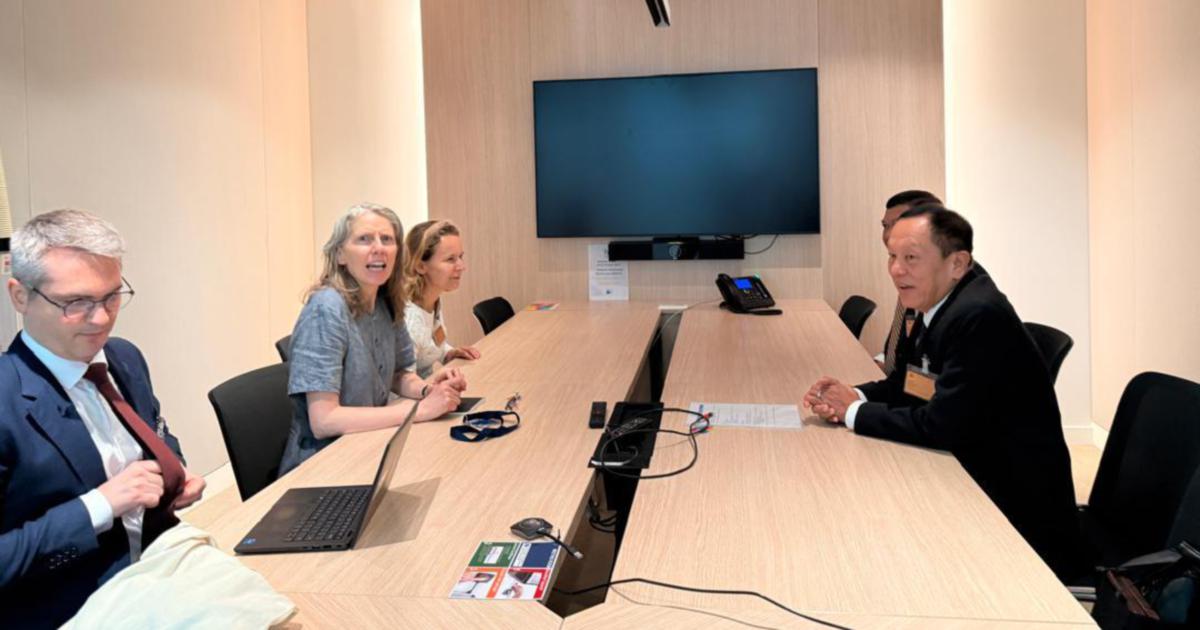
Malaysia has stepped onto the international anti-corruption stage by presenting its hard-won experience in recovering assets stolen through the 1Malaysia Development Bhd (1MDB) scandal at a major OECD forum in Paris. The Malaysian Anti-Corruption Commission (MACC) brought its expertise to the Organisation for Economic Co-operation and Development's anti-bribery meeting, marking a significant moment in the country's efforts to reclaim its status as a champion of financial integrity and good governance.
The 1MDB scandal, which unraveled publicly in 2015, exposed one of the world's most audacious financial frauds. Billions of ringgit were siphoned from the state investment fund through an elaborate web of shell companies, fake transactions, and corrupt officials. The recovery of assets linked to this mega-scandal has been a multi-year undertaking involving dozens of investigations across multiple countries and jurisdictions. Malaysia's willingness to share this experience reflects both the scale of the challenge faced and the progress made in addressing systemic corruption.
By presenting at the OECD forum, Malaysia demonstrates that despite the reputational damage inflicted by 1MDB, the country's institutions have developed substantial expertise in combating bribery, embezzlement, and illicit financial flows. The MACC's presence at such a prestigious gathering signals to international partners that Malaysia is serious about implementing the OECD Anti-Bribery Convention standards and learning from past failures. This is particularly important for a country seeking to rebuild confidence among foreign investors and trading partners.
The asset recovery process has required unprecedented cooperation between Malaysian authorities and law enforcement agencies across the United States, Singapore, Switzerland, the United Kingdom, and other nations. Each jurisdiction presented unique legal frameworks and challenges, forcing Malaysian investigators and prosecutors to develop sophisticated techniques for tracing, freezing, and ultimately recovering funds hidden in international banking networks. The lessons learned from navigating these complexities have practical value for other countries facing similar corruption cases.
From a regional perspective, Malaysia's participation at the OECD meeting carries implications for Southeast Asia's broader commitment to combating corruption. The Association of Southeast Asian Nations (ASEAN) member states have individually committed to strengthening anti-corruption frameworks, yet enforcement and international cooperation remain uneven across the bloc. Malaysia's demonstrated capacity to recover stolen assets sends a message that the region is developing the institutional capacity and political will to tackle financial crimes effectively.
The MACC's testimony about 1MDB recovery likely addressed several technical dimensions critical to asset recovery work. Tracing stolen funds through complex ownership structures and shell companies requires forensic accounting expertise and international data-sharing protocols. Obtaining court orders across borders, managing disputes over asset location, and negotiating settlements with foreign governments all involve intricate legal processes. Malaysia's experience navigating these issues makes it a valuable resource for OECD members developing their own anti-corruption capabilities.
International asset recovery serves both punitive and restorative purposes. Beyond prosecuting individual perpetrators, returning stolen public funds to their rightful owner—in this case the Malaysian government—demonstrates that corruption carries concrete consequences. For developing countries like Malaysia that lost billions, successful recovery represents not merely financial restitution but a powerful deterrent against future financial crimes. The visibility of major convictions and asset returns strengthens public trust in government institutions.
The timing of Malaysia's OECD presentation is strategically significant. Several key convictions in the 1MDB case have been obtained, including that of former Prime Minister Najib Razak, who received multiple lengthy prison sentences. As these legal proceedings near conclusion, Malaysia can present a more complete narrative of investigation, prosecution, and recovery to international forums. This demonstrates that the system ultimately worked, despite its initial failure to prevent the fraud.
However, the 1MDB experience also underscores vulnerabilities in Malaysia's earlier regulatory and oversight systems that allowed such a massive fraud to develop undetected. The scandal exposed gaps in financial reporting requirements, weaknesses in institutional checks and balances, and inadequate supervision of large state entities. Malaysia's presentation at the OECD should acknowledge these systemic failures alongside achievements in recovery, as this provides more credible guidance to other countries.
For Malaysian businesses and investors, the country's engagement with international anti-corruption frameworks has direct implications. Enhanced reputation for tackling corruption can facilitate market access and attract quality foreign direct investment. Multinational corporations increasingly implement robust anti-bribery compliance programs in response to OECD standards; Malaysia's demonstrated commitment to these standards makes the country a more attractive destination for such companies. Conversely, continued vulnerability to corruption creates long-term drag on economic competitiveness.
The MACC's participation in the Paris forum also reflects a shift in Malaysia's diplomatic approach to the 1MDB affair. Rather than treating the scandal primarily as a domestic embarrassment to be managed, Malaysia increasingly frames its response as a success story of institutional resilience and international cooperation. This narrative repositioning is important for restoring Malaysia's standing among developed nations and OECD members who value predictable, rule-based governance and anti-corruption enforcement.
Looking ahead, Malaysia's role as a sharer of anti-corruption expertise could expand. The country might contribute to technical assistance programs for developing nations, participate in multilateral investigations of cross-border financial crimes, or help establish regional best practices for asset recovery. This represents a productive means of transforming a painful historical episode into constructive engagement with the global anti-corruption community.

