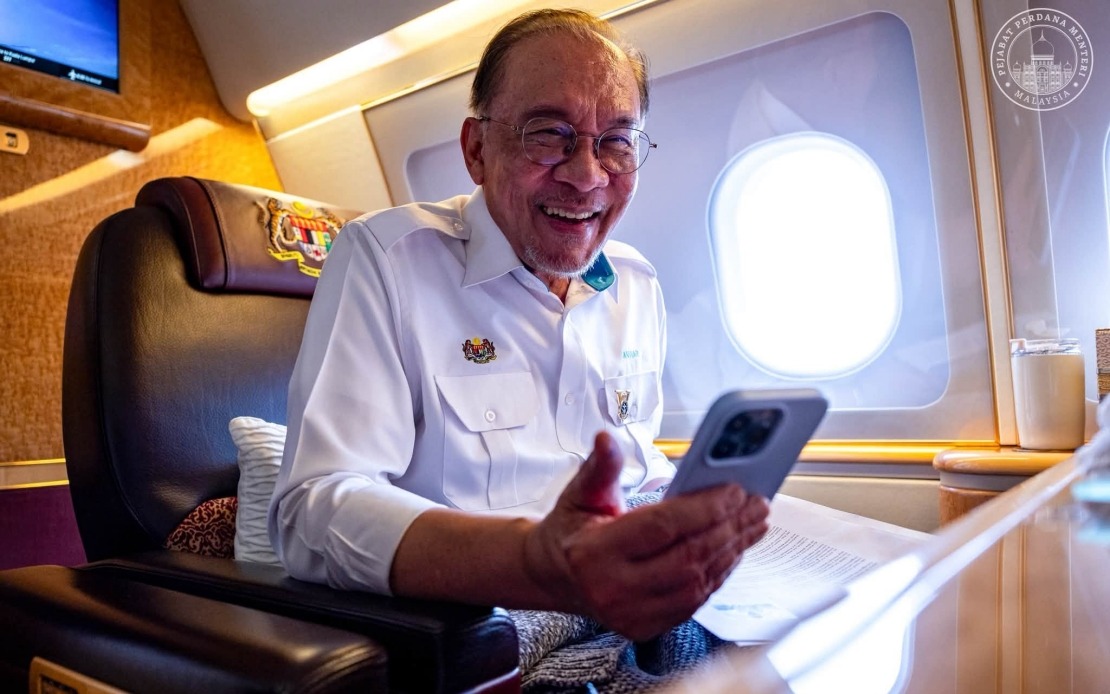
Malaysia is poised to reclaim its place on the global motorsport calendar by hosting the Formula 1 Gulf Air Bahrain Grand Prix at Sepang International Circuit from October 2 to 4, marking a significant milestone after the country's nine-year absence from the sport's premier racing series. Prime Minister Datuk Seri Anwar Ibrahim announced the development, underscoring the diplomatic and economic significance of bringing the event back to the nation's doorstep following the last Malaysian Grand Prix in 2017.
The unexpected arrangement—wherein Malaysia hosts a race formally designated as the Bahrain Grand Prix—represents an innovative solution to a logistical challenge facing the international racing calendar. This collaborative framework reflects the growing willingness of nations within the region to cooperate on major sporting ventures, with Bahrain's government placing confidence in Malaysia's capacity to deliver a world-class event. The move demonstrates how regional partnerships can solve scheduling conflicts while maintaining the integrity of prestigious international competitions.
Anwar's engagement with key stakeholders underscores the government's commitment to the project's success. His direct conversations with Prince Salman Hamad Al Khalifa, the Crown Prince and Prime Minister of Bahrain, and Stefano Domenicali, Formula 1's president and chief executive officer, highlight the diplomatic groundwork necessary to facilitate such arrangements. These high-level discussions signal that both the Malaysian government and F1's leadership view the partnership as strategically important, extending beyond the immediate logistics of hosting a single race.
The Prime Minister characterised the hosting arrangement as emblematic of the robust relationship between Malaysia and Bahrain, emphasising mutual trust and longstanding bilateral ties. This framing transforms what might otherwise be viewed purely as a commercial sporting transaction into a statement of regional solidarity and friendship. For Malaysia, the opportunity to demonstrate hospitality and organisational prowess to a major international audience carries implications for the country's broader diplomatic standing in the Gulf region and beyond.
Sepang International Circuit, located south of Kuala Lumpur, has undergone developments since hosting the Malaysian Grand Prix regularly through the 2010s. The venue's infrastructure, operational systems, and workforce experience with major motorsport events positioned it as a viable alternative venue for this edition of the Bahrain Grand Prix. The circuit's readiness to welcome back international racing represents months of preparation and coordination with Formula 1's technical requirements and safety standards.
For Malaysian motorsport enthusiasts and the local tourism industry, the October race promises significant benefits. The influx of international competitors, team personnel, media representatives, and spectators will generate economic activity across hospitality, transportation, and entertainment sectors. The event provides local businesses with exposure to global audiences watching the race broadcast to millions worldwide, potentially enhancing Malaysia's profile as a destination for premium sporting experiences.
The return of Formula 1 to Malaysia after a nine-year gap addresses longstanding disappointment among fans and the motorsport community who had anticipated the country's continued participation in the calendar. The delay had reflected economic considerations and competing demands on the government's resources following the COVID-19 pandemic's impact on public finances and priorities. The confirmation of this event signals a renewed commitment to hosting major international sporting competitions as part of the nation's development strategy.
From a Southeast Asian perspective, Malaysia's re-entry into the F1 calendar carries regional implications. The presence of the sport's highest tier within the region elevates the profile of motorsport across the association, potentially encouraging investment in racing infrastructure and talent development. The event also positions Malaysia as a capable host for complex international events, reinforcing the country's standing alongside Singapore, which continues to host an annual Formula 1 night race.
The collaboration model employed for this event—where Malaysia hosts a race formally attributed to another nation—may establish a template for future arrangements addressing scheduling pressures and venue optimization within Formula 1's increasingly congested calendar. This flexibility could benefit multiple nations seeking to host races while accommodating the sport's logistical constraints and commercial demands.
Government preparations will focus on ensuring operational excellence across all facets of the event, from race-day logistics to spectator management and international broadcasting coordination. The success of this October race will likely influence whether Malaysia secures future standalone Malaysian Grand Prix events or establishes itself as a regular alternative venue within the F1 calendar structure.
Anwar's emphasis on showcasing Malaysia's infrastructure and warm hospitality reflects the government's understanding that hosting such events serves purposes beyond immediate economic returns. It demonstrates national capability, projects soft power, and creates narratives of progress and modernisation that resonate domestically and internationally. The October race thus becomes both a sporting spectacle and a statement about Malaysia's position in the region.
As preparations accelerate toward October, stakeholders ranging from the government agencies to private sector partners will work to ensure that this return chapter for Malaysian motorsport is memorable. The event represents not merely a race weekend but a comprehensive demonstration of Malaysia's readiness to compete as a world-class venue for premier international events, affirming the government's confidence in the nation's future.

