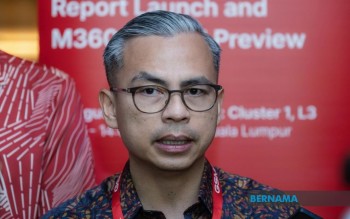
Kuala Lumpur has been chosen to host M360 ASEAN 2026, a landmark gathering organised by the GSM Association that will take place on September 9 and 10 next year. The announcement marks a watershed moment for Malaysia's technology sector, with Communications Minister Datuk Seri Fahmi Fadzil describing the selection as an honour that will enhance the nation's regional standing in telecommunications, artificial intelligence, and digital connectivity. This inaugural event—the first M360 ASEAN conference to be held anywhere in the region—signals growing recognition of Malaysia's capabilities in coordinating high-level tech discussions among Southeast Asian stakeholders.
The gathering will convene a diverse ecosystem of participants spanning the telecommunications and technology landscape across ASEAN. Industry executives, equipment vendors, technology experts, venture capitalists and institutional investors, academic researchers, and government officials from member countries will converge in the Malaysian capital to exchange insights and forge partnerships. This convergence of perspectives promises to establish a collaborative framework for addressing shared digital challenges facing the region, while simultaneously showcasing Malaysia as a credible convener and thought leader in technology policy and innovation.
The conference represents a critical juncture for regional dialogue on the digital economy's trajectory. ASEAN leaders will have the opportunity to collectively shape strategic priorities for the sector during a period of profound technological transformation. Conversations will extend beyond traditional telecommunications infrastructure to encompass emerging priorities such as responsible artificial intelligence deployment, the strengthening of digital ecosystems against evolving threats, and the pursuit of digital sovereignty—matters that resonate deeply with policymakers throughout Southeast Asia who seek to balance technological advancement with national interests.
Economic projections underscore the stakes involved. According to GSMA analysis, mobile technologies and related services are projected to contribute approximately US$1.4 trillion to the Asia-Pacific economy by 2030, representing a substantial 40 per cent expansion from current levels of around US$1 trillion. This expansion reflects the sector's centrality to regional prosperity and underscores why government-level engagement and strategic coordination have become indispensable. Malaysia's role as host elevates its voice in shaping how these economic opportunities are distributed and managed across ASEAN.
The GSMA report identifies four converging forces that will fundamentally reshape the region's digital landscape in coming years. The explosive acceleration of artificial intelligence technologies stands foremost among these pressures, as governments and companies scramble to harness AI's potential while managing risks of job displacement and algorithmic bias. Simultaneously, public confidence in digital systems faces erosion amid mounting cybersecurity incidents and privacy violations, creating friction that policymakers must address through stronger regulatory frameworks and transparent governance practices.
The third priority concerns infrastructure resilience. As digital systems permeate every aspect of modern economies, from financial services to healthcare and utilities, the vulnerability of telecommunications networks to disruption has become a critical national security concern. ASEAN nations, many operating in seismically active zones or facing tropical weather challenges, recognise that robust redundancy and rapid recovery capabilities are no longer optional but essential infrastructure features. Building interconnected yet resilient networks requires coordinated investment and technical standards that benefit from regional cooperation.
The fourth pillar—digital sovereignty—represents perhaps the most contentious and complex challenge facing Southeast Asian governments. Nations increasingly insist that critical digital infrastructure and data remain subject to national control rather than foreign corporate or governmental influence. This impulse reflects legitimate concerns about technological dependence and geopolitical leverage, yet it must be balanced against the practical need for cross-border data flows that enable commerce, research, and innovation. M360 ASEAN 2026 will provide vital space for governments to articulate these concerns and explore common ground on data governance frameworks.
For Malaysia specifically, hosting this conference carries strategic weight beyond the immediate event. The country has positioned itself as a regional technology hub through initiatives like the development of digital-first regulations and investments in tech talent. However, regional perception of Malaysia's technological leadership remains contested, with Singapore and Vietnam commanding stronger brands in specific sectors. By successfully hosting a marquee conference that brings together ASEAN's entire telecommunications establishment, Malaysia can reshape this narrative and establish itself as a convener of regional tech dialogue.
The selection also reflects confidence in Malaysia's capacity to deliver world-class infrastructure and logistical coordination. International tech conferences generate significant economic activity through hotel bookings, dining, transportation, and ancillary services, channeling spending into the Kuala Lumpur economy. More importantly, the influx of senior executives and government officials creates networking opportunities for Malaysian technology companies seeking regional expansion or international partnerships, potentially accelerating entrepreneurial and corporate growth.
Fahmi's emphasis on ASEAN-wide digital sector direction highlights an evolving recognition among regional leaders that technology policy cannot remain purely national. The interconnected nature of digital infrastructure, cross-border data flows, and supply chain interdependencies demand coordinated approaches. An ASEAN-level conversation can establish consensus on technical standards, cybersecurity protocols, and talent development initiatives that strengthen collective capacity while protecting individual nations' strategic interests.
The timing of the conference carries additional significance. Regional governments are currently formulating digital strategies for the remainder of this decade, making 2026 a crucial inflection point for policy direction. Decisions made during this period regarding AI regulation, infrastructure investment, and data governance frameworks will reverberate for years. By hosting the venue where these discussions occur, Malaysia positions itself to influence the contours of regional tech policy and ensure that its own priorities receive adequate consideration.
Looking forward, the success of M360 ASEAN 2026 could establish Malaysia as the natural home for future regional tech conferences, further consolidating its standing as a technology hub. More broadly, the conference exemplifies how Malaysia can leverage its geographic position, institutional capacity, and diplomatic relationships to add value as a convenor in regional technological collaboration—a role that extends Malaysia's influence beyond bilateral relationships into the realm of regional norm-setting and consensus-building.

