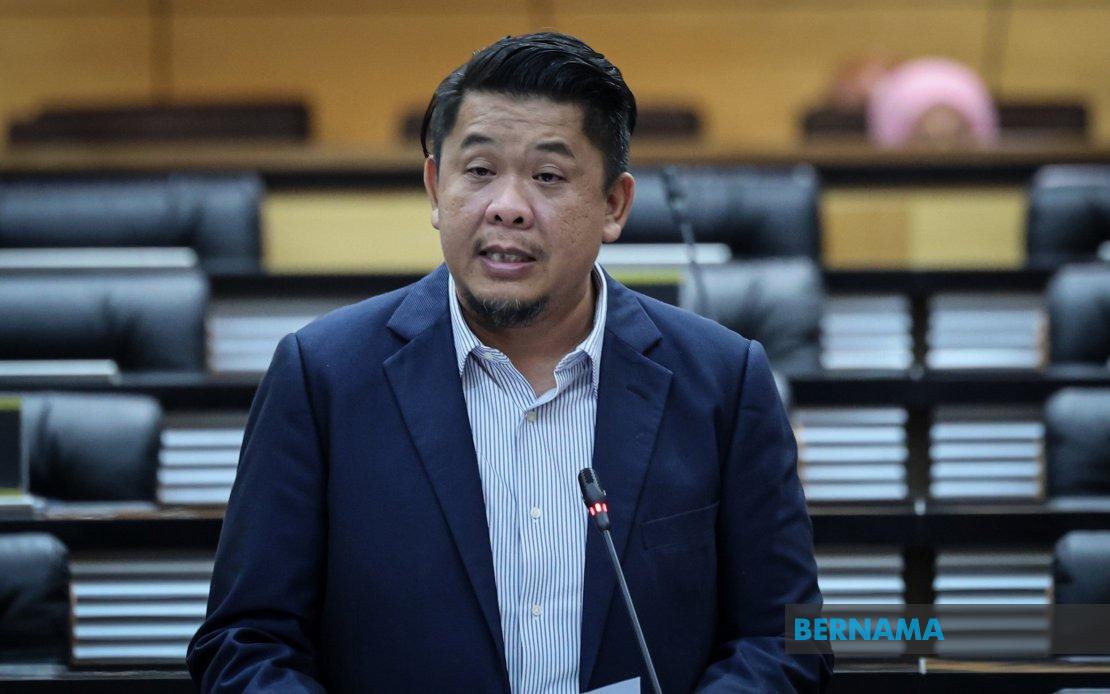
Malaysia has formally lodged its candidacy to serve as a non-permanent member of the United Nations Security Council for the 2036–2037 term, marking a significant move in the country's multilateral diplomatic strategy. The submission, announced through Deputy Foreign Minister Datuk Lukanisman Awang Sauni on July 13, comes as Kuala Lumpur intensifies its push for comprehensive structural reforms within the world's premier peacekeeping body. This candidacy represents Malaysia's return to the UNSC after several decades, positioning the nation as an active voice in shaping global security discussions during a period of unprecedented geopolitical turbulence.
Central to Malaysia's campaign platform is a resolute stance against the veto mechanism wielded by the five permanent members of the Security Council. Datuk Lukanisman articulated an uncompromising position, declaring that the veto power is fundamentally unjust and should be abolished entirely. Rather than waiting for wholesale institutional overhaul, Malaysia advocates a pragmatic interim position: restricting veto usage in cases where international law is grievously violated, particularly in circumstances involving war crimes, genocide, crimes against humanity, and the deliberate targeting of civilian populations and infrastructure. This nuanced approach reflects Malaysia's recognition of the political realities surrounding permanent member resistance while maintaining principled advocacy for reform.
The deputy minister's statement carries particular resonance given the recent humanitarian crisis in Gaza, which Malaysia cited as a prime example of why veto restrictions are urgently needed. The ongoing conflict has exposed the paralysis that can afflict the Security Council when permanent members use their blocking power to shield allies from scrutiny or accountability measures. Malaysia's explicit reference to Gaza underscores how the country intends to link abstract institutional reform arguments to concrete, contemporary crises affecting millions of civilians—a strategy designed to build broader support among developing nations and civil society organizations advocating for UN accountability.
Malaysia's diplomatic campaign will receive high-profile articulation when Foreign Minister Datuk Seri Mohamad Hasan addresses the 81st UN General Assembly debate in New York this September. His National Statement will serve as a formal platform to reaffirm Malaysia's commitment to UNSC reform while positioning the country as a champion of equitable global governance. This timing is strategic, allowing Malaysia to frame its candidacy within the broader context of the General Assembly's annual session, where emerging nations gather to voice concerns about the existing international order and advocate for structural changes benefitting smaller and middle-power states.
The significance of Malaysia's candidacy extends beyond institutional mechanics to encompass the nation's role in representing Southeast Asian and developing world interests within global security deliberations. As a mid-sized economy with considerable soft power and diplomatic influence within the Non-Aligned Movement and regional organisations, Malaysia brings a perspective that differs markedly from the interests of permanent members. The country's emphasis on global peace and security as top foreign policy priorities reflects its geographic position in one of the world's busiest maritime zones, where stability is essential for prosperity. A Malaysian seat would amplify voices calling for peaceful resolution of disputes and multilateral cooperation over unilateral action.
The UNSC reform agenda that Malaysia champions resonates across the developing world, where frustration with the post-1945 power structure has grown increasingly vocal. India, Brazil, and African nations have similarly advocated for expansion of permanent membership or restrictions on veto usage, yet these voices have historically been marginalised by entrenched interests. Malaysia's candidacy provides an opportunity to mobilise support for incremental reform, even if wholesale restructuring remains politically infeasible. By focusing on veto restrictions in specific categories rather than demanding permanent seat expansion, Malaysia positions itself as seeking achievable progress rather than utopian transformation.
For Malaysia domestically, the UNSC bid reflects aspirations to enhance the nation's standing on the world stage and demonstrate commitment to multilateral engagement. The question posed by Datuk Seri Sh Mohmed Puzi Sh Ali in Parliament regarding veto power disproportionately wielded by major nations indicates that UNSC reform has penetrated domestic political discourse in Malaysia, suggesting there is parliamentary support for this diplomatic priority. This cross-party alignment strengthens Malaysia's hand in international negotiations and provides domestic legitimacy for the foreign ministry's advocacy efforts.
The pathway to securing a non-permanent seat involves competitive voting among UN member states, with regional and global support essential for success. Malaysia must build coalitions among ASEAN neighbours, Organisation of Islamic Cooperation members, and the broader Non-Aligned Movement while also appealing to developed democracies sympathetic to governance reform arguments. The two-year campaign period leading to 2036 provides ample opportunity for sustained diplomatic engagement, though competitors from other regions will likely emerge.
Malaysia's previous service on the Security Council, which concluded decades ago, provides institutional memory and demonstrated capacity to participate constructively in complex security negotiations. The country's track record of supporting peaceful conflict resolution, humanitarian interventions, and development-oriented security frameworks positions it favourably among states seeking council members committed to balanced, principled decision-making. Recent Malaysian leadership in addressing transnational challenges such as maritime security, terrorism prevention, and humanitarian coordination reinforces the credibility of its candidacy.
The veto reform dimension of Malaysia's campaign addresses one of the most fundamental critiques of the UN system—that permanent members can obstruct accountability for their allies regardless of international law violations. While achieving veto abolition remains extraordinarily unlikely given permanent member prerogatives, Malaysia's advocacy keeps reform on international agendas and mobilises pressure for at least modest restrictions. Even if unsuccessful in achieving formal restrictions, Malaysia's campaign ensures that veto usage becomes more politically costly when employed to shield perpetrators of atrocities.
Malaysia's UNSC candidacy also reflects broader trends in Southeast Asian diplomacy, where nations increasingly assert agency in global governance structures rather than accepting predetermined hierarchies. As regional powers seek greater voice in shaping rules and institutions affecting their security and prosperity, Malaysia's initiative exemplifies how mid-sized states can leverage multilateral forums to advance interests aligned with principles of equity and accountability. The candidacy thus carries implications extending far beyond Malaysia's immediate diplomatic interests, signalling broader reassertion of developing world agency in international decision-making.

