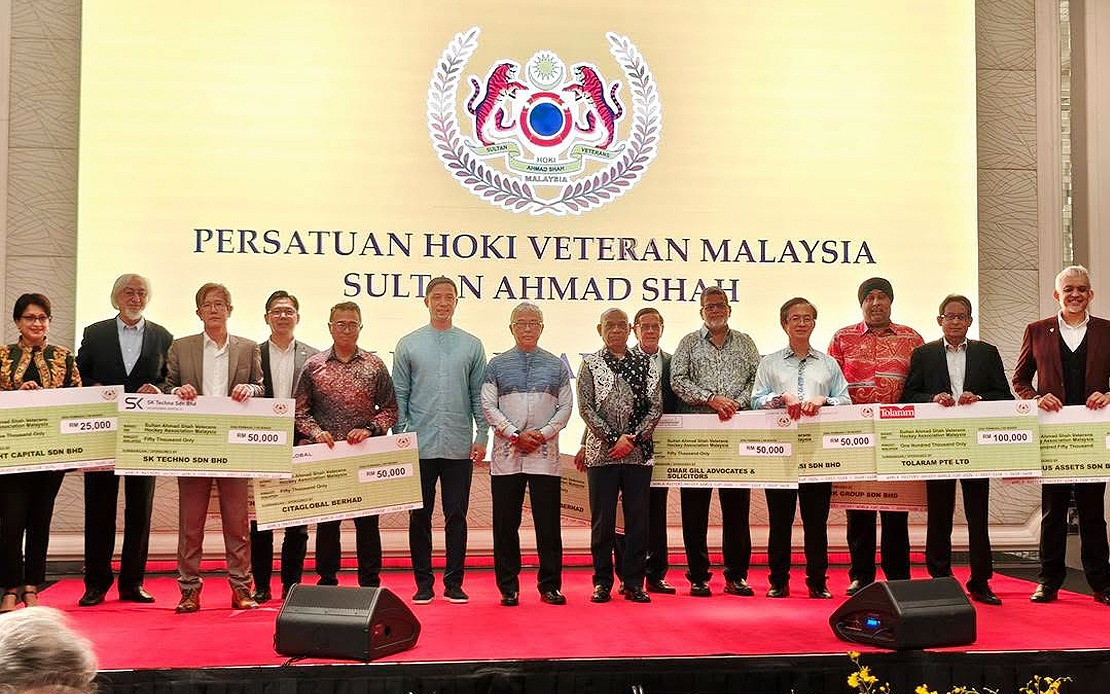
Malaysia's veteran hockey contingent has received a substantial financial injection of RM1.36 million to prepare for the 2026 Masters Hockey World Cup, one of the sport's most prestigious tournaments for elite players over 40. The funding package, assembled through contributions from various sponsors and supporters, will facilitate Malaysia's participation across five distinct age categories competing in the Netherlands and Belgium between late July and mid-August next year.
Tengku Arif Temenggong Tengku Fahad Mu'adzam Shah, president of the Sultan Ahmad Shah Malaysian Veteran Hockey Association, outlined how the financial support addresses the multifaceted requirements of mounting an international campaign. Beyond conventional competition expenses, the funding framework acknowledges a distinctive challenge within veteran sport: enabling former national players of considerable calibre who have faced financial constraints to compete at the highest level. This approach recognises that many elite veteran athletes, having dedicated years to representing Malaysia at senior level, may lack the personal resources to fund overseas tournaments despite retaining world-class abilities.
The allocation will encompass accommodation arrangements, international travel logistics, and comprehensive tournament preparation activities. The decision to assist individual players with demonstrated financial need signals Malaysia's commitment to maximising competitive depth rather than limiting participation to the wealthiest applicants. Such inclusive funding strategies are increasingly common in mature sporting systems, allowing nations to field their strongest possible squads regardless of athletes' current economic circumstances.
The announcement occurred during a Royal High Tea ceremony at which the Sultan of Pahang, Al-Sultan Abdullah Ri'ayatuddin Al-Mustafa Billah Shah, the tournament patron, formally acknowledged the fundraising achievement. This high-level royal endorsement underscores veteran sport's growing prominence within Malaysia's sporting ecosystem and signals institutional commitment to maintaining competitive standards internationally.
The tournament structure reflects the sophisticated organisation now characteristic of veteran hockey globally. Malaysia's 40-year-old athletes will compete at HC Schiedam in the Netherlands, while competitors aged 45 and 50 will play at HC Rotterdam, also in the Netherlands, during the opening fortnight from July 22 to August 1. The older age categories—60 and 65 years—will contest their matches in Belgium, competing at HC Olympia in Antwerp and BHV Push in Breda respectively between August 6 and 16. This dispersed venue arrangement, whilst logistically demanding, ensures appropriate match conditions and facilities tailored to each age group's requirements.
The Masters Hockey World Cup represents the pinnacle of veteran ice hockey competition, convening international teams competing across multiple age brackets. Since the tournament's establishment in 2012 through the merger of the International Masters Hockey Association and the World Grand Masters Association, it has evolved into a genuinely global showcase attracting elite teams from across North America, Europe, and Asia-Pacific regions. The 2026 edition will constitute the eighth staging, demonstrating the format's durability and growing participation.
For Malaysian sport, participation in such elite international competitions carries significance extending beyond medals and rankings. Veteran sport tournaments serve as barometers of a nation's sporting depth and institutional capacity to nurture athletes throughout their careers. Malaysia's ability to field competitive squads across five age categories, supported by substantial government and private sector funding, reflects the country's broader sporting infrastructure development. Southeast Asian representation at world-class veteran competitions remains comparatively modest, making Malaysia's commitment particularly noteworthy within the regional context.
The funding model itself merits attention as an example of innovative sports financing. By mobilising diverse funding sources rather than relying exclusively on government budgets, the Malaysian Veteran Hockey Association has demonstrated the capacity to secure resources adequate for international competition without imposing unsustainable burdens on public finances. This approach proves especially valuable given competing demands on governmental sports budgets across Southeast Asia, where resources must often serve multiple sporting disciplines and development levels simultaneously.
The decision to provide financial assistance to former national players represents a subtle but significant policy choice regarding athlete retention and engagement. Veteran sport serves multiple functions beyond competition: it provides pathways for athletes to remain connected to their sports following retirement from elite senior competition, maintains international competitive standards, and preserves valuable sporting knowledge within national systems. By facilitating participation among experienced former internationals, Malaysia invests in sustaining its hockey culture and ensures that hard-won expertise developed through previous international campaigns contributes to ongoing national competitiveness.
For Malaysian hockey stakeholders, the 2026 Masters World Cup campaign offers opportunity to benchmark current capacity against global standards and identify areas for future development. Competition at this level generates valuable information regarding coaching effectiveness, player conditioning, strategic evolution, and organisational capability—intelligence applicable across all levels of Malaysian hockey. The international exposure gained through participation in prestigious tournaments often catalyses improvements in domestic structures and practices.
The tournament's biennial schedule means the next edition will occur just two years following the 2026 competition, creating continuity in international engagement and providing Malaysian veteran players with realistic prospects for multiple appearances at the world championship level. This frequency distinguishes veteran sport from many senior competitions, offering athletes extended opportunities to represent their nations and achieve sustained international recognition during their later playing careers. For Malaysia, such consistent participation strengthens the nation's reputation within the global veteran hockey community and establishes traditions of regular international involvement.

