Prime Minister Datuk Seri Anwar Ibrahim has concluded working visits to Kazan, Russia and Ashgabat, Turkmenistan that are expected to deliver substantial strategic benefits to Malaysia's energy sector and broader development agenda. The diplomatic missions, which culminated in several landmark agreements, underscore the government's determination to diversify Malaysia's energy sources and secure long-term supply arrangements critical to the nation's economic stability.
During his time in Kazan attending the 35th ASEAN-Russia Commemorative Summit, accompanied by Investment, Trade and Industry Minister Datuk Seri Johari Abdul Ghani and Economy Minister Akmal Nasrullah Mohd Nasir, Anwar sealed a commitment from Russia to supply crude oil, gas, and diesel to Malaysia under a long-term arrangement. This agreement represents a significant shift in Malaysia's energy diplomacy, establishing Russia as a reliable partner in meeting the country's growing demand for hydrocarbons. Beyond energy, Malaysia and Russia agreed to deepen cooperation across multiple sectors including trade, investment, tourism, and technology transfer, potentially opening new avenues for Malaysian companies seeking to expand their international footprint.
The Turkmenistan leg of the journey proved equally consequential. PETRONAS, through its wholly owned subsidiary Petronas Carigali (Turkmenistan) Sdn Bhd, secured rights to develop two major gas blocks, marking a pivotal moment for the national oil and gas company. This achievement builds upon PETRONAS' three-decade presence in Turkmenistan, during which the company has established itself as a trusted operator in the Central Asian nation. The company's expanded portfolio in the region reinforces its standing as a leading global gas producer while creating opportunities for Malaysian workers and service providers in the energy sector.
Accompanying these operational successes was the formalisation of a Framework Agreement on Long-Term Cooperation for the Development of Hydrocarbon Resources between the Malaysian and Turkmenistan governments. This bilateral accord establishes a structured mechanism for sustained collaboration, transcending immediate commercial arrangements to create institutional foundations for deepening ties. The agreement notably includes provisions for potential development of the Galkynysh field, one of the world's largest gas deposits, alongside opportunities in related sectors such as oil refining, gas processing, and gas chemicals. For Malaysian stakeholders, these downstream opportunities represent pathways for technology transfer and manufacturing expansion within the energy value chain.
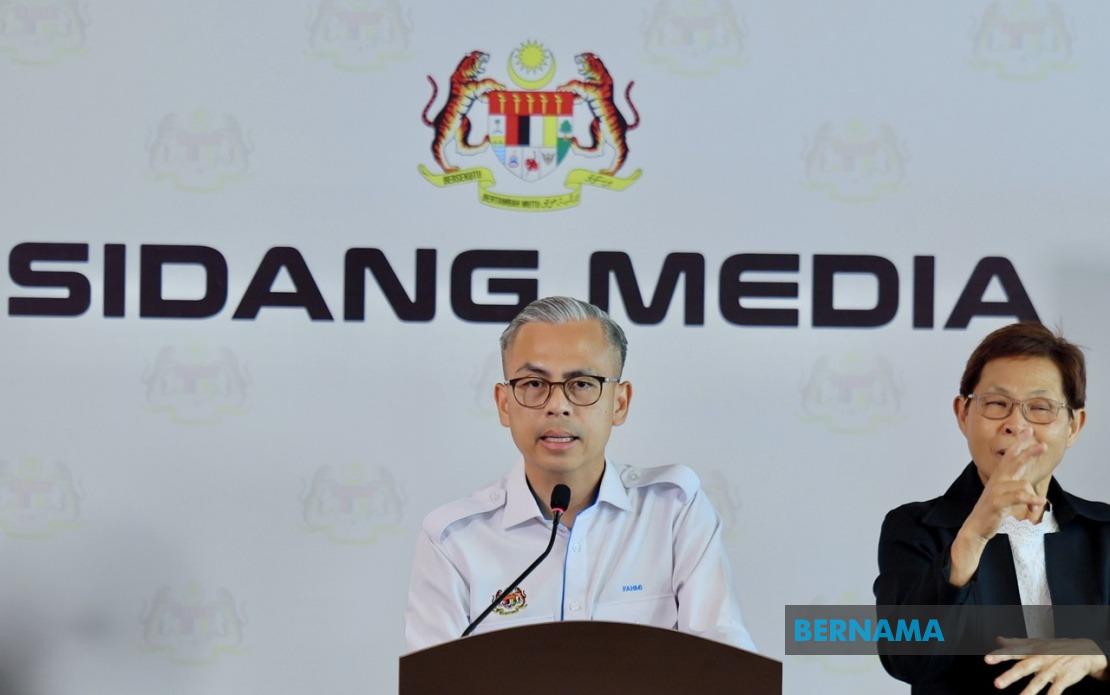
Government Spokesperson Datuk Fahmi Fadzil, who also serves as Communications Minister, articulated the tangible implications of these achievements for ordinary Malaysians. He emphasized that revenues generated through PETRONAS' expanded operations and energy agreements would flow back to the national treasury in the form of dividends and taxation, creating resources for developmental spending. This connection between energy diplomacy and fiscal capacity is particularly relevant for Malaysia, where energy revenues have traditionally provided crucial budgetary support for infrastructure, education, and healthcare initiatives. The spokesperson further noted that the strategic gains in energy security directly contributed to the government's ability to announce a diesel price reduction on June 21, demonstrating how diplomatic achievements translate into consumer benefits within weeks.
The timing of these announcements reflects broader policy coordination within the MADANI government framework. The simultaneous engagement with major energy producers indicates a deliberate strategy to address Malaysia's energy import dependency, a structural vulnerability that fluctuates with global market dynamics and geopolitical tensions. By securing long-term supply arrangements with both Russia and Turkmenistan, Malaysia reduces exposure to spot market volatility and strengthens its negotiating position in regional energy markets. This approach aligns with the government's stated commitment to ensuring economic stability and predictable energy costs for businesses and households alike.
For regional observers, Malaysia's diplomatic initiatives in Central Asia signal a recalibration of the country's international engagement patterns. While maintaining its traditional focus on Southeast Asian affairs through ASEAN, the government is clearly pursuing strategic partnerships further afield to address domestic development imperatives. This outward reach reflects recognition that energy security, a prerequisite for sustained economic growth, cannot be achieved through regional mechanisms alone. Central Asian producers like Turkmenistan and partnerships with global suppliers like Russia offer diversification benefits that strengthen Malaysia's resilience against supply shocks.
The Turkmenistan agreements carry particular significance given the country's position as holder of the world's fourth-largest natural gas reserves. For PETRONAS, operational success in developing these resources could yield transformative returns over the twenty to thirty-year lifespan of major gas projects. The company's experience in managing complex geology and navigating regulatory environments across multiple jurisdictions positions it well to extract value from these opportunities. Malaysian professionals working on these projects gain exposure to world-class technical practices while contributing expertise to projects of global significance.
Looking ahead, the challenge for policymakers lies in maximising returns from these energy assets while managing environmental and sustainability considerations. As Malaysia transitions toward cleaner energy sources, balancing hydrocarbon development with renewable energy investments will require sophisticated policy frameworks. The revenue streams from expanded gas operations could strategically fund the renewable energy transition, creating a bridge toward long-term sustainability objectives. This possibility highlights how energy diplomacy, when coupled with thoughtful domestic policy, can serve broader developmental and environmental goals simultaneously.
The visits also underscore the importance of high-level political engagement in advancing commercial and strategic objectives. Prime ministerial participation signals commitment and facilitates negotiations at the highest governmental levels, accelerating agreement timelines and ensuring alignment between energy companies, national governments, and international partners. As Malaysia navigates an increasingly complex geopolitical landscape, maintaining such diplomatic channels with diverse partners provides strategic flexibility and reduces dependency on any single relationship or region for critical resources.
Ultimately, these achievements represent incremental progress toward energy security rather than permanent solutions. The volatile nature of global energy markets means that long-term agreements provide stability but do not eliminate underlying risks. Malaysia's continued investment in domestic renewable energy capacity, energy efficiency improvements, and technological innovation remain essential complements to securing international supplies. The diplomatic successes in Kazan and Ashgabat should therefore be understood as components of a comprehensive energy strategy rather than standalone accomplishments, each contributing to a more resilient and self-sufficient energy ecosystem.

