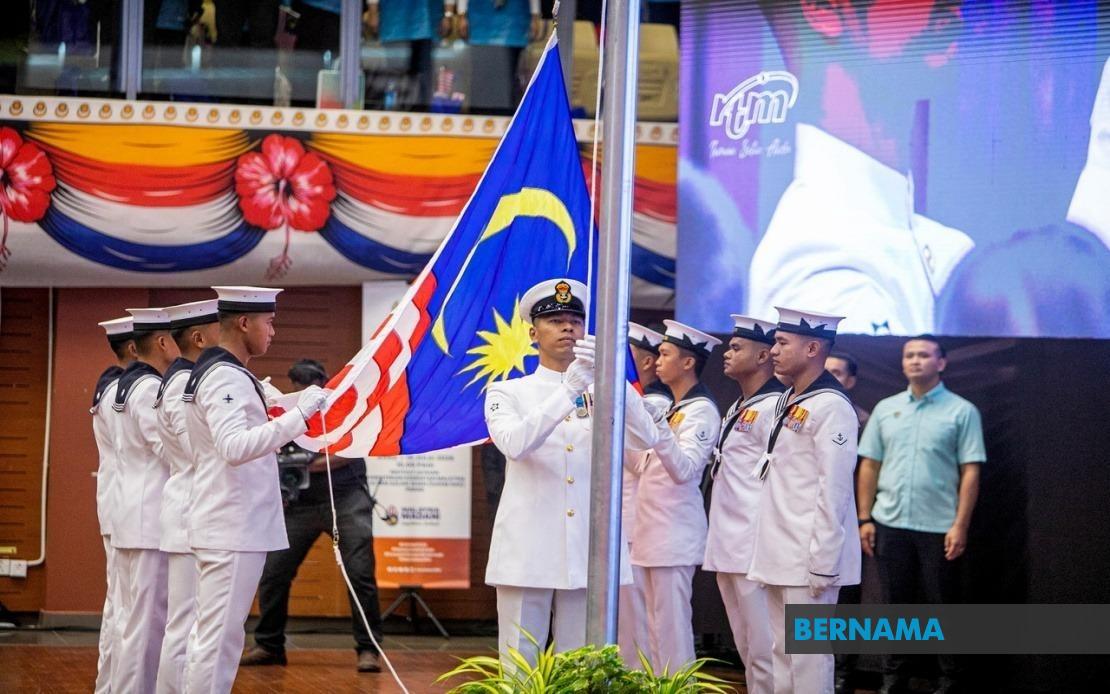
The Jalur Gemilang raising ceremony made its return on July 19 as the centrepiece of the 2026 National Month and Fly the Jalur Gemilang campaign launch, signalling a renewed commitment to patriotic observance after a two-year suspension of the tradition. Prime Minister Datuk Seri Anwar Ibrahim presided over the event at the Sultan Azlan Shah Ministry of Health Training Institute in Tanjung Rambutan, Ipoh, where the ceremony formed part of broader Malaysia Day and National Day festivities planned throughout the year.
The reintroduction of this ceremonial practice reflects the government's determination to strengthen national pride and unity during a period when such symbolism takes on heightened political and social significance. The formal nature of the proceedings, complete with official government participation and structured protocols, underscores the administration's desire to embed patriotic expressions into the national calendar. For Malaysian observers, the timing and revival suggest an intentional effort to reinvigorate civic engagement ahead of the dual celebrations of National Day on August 31 and Malaysia Day on September 16.
Central to the ceremony was the symbolic passing of the Jalur Gemilang to a nine-member contingent from the Royal Malaysian Navy's Lumut Base, led by Chief Petty Officer Mohamad Razif Aliff Md Yusof. This handover carried ceremonial weight, representing the transition of national pride from the political establishment to the armed forces and, by extension, to the broader population. The flag itself measured 1.82 metres by 3.65 metres, a substantial dimension chosen to amplify the visual and emotional impact of the hoisting moment.
Following the flag-raising, the national anthem Negaraku echoed through the venue as the navy team hoisted the colours, while attendees stood in respectful silence. This orchestrated moment of collective acknowledgement serves as a powerful reinforcement of national identity, particularly important in a multicultural democracy where shared symbols function as anchors for social cohesion. The ceremony's structure deliberately integrated solemn moments of reflection, including a recitation of the Rukun Negara pledge by trainee Muhammad Ammar Mohd Asri, embedding constitutional principles of national life into the patriotic proceedings.
The National Month campaign encourages all Malaysians to display the Jalur Gemilang prominently, framing the flag not merely as a governmental emblem but as a personal statement of national belonging. This grassroots dimension of the initiative extends patriotic expression beyond official ceremonies into homes, vehicles, and businesses across the country. For regional observers, Malaysia's approach demonstrates how Southeast Asian nations leverage national symbols to build consensus and counter divisive narratives during periods of political transition or economic uncertainty.
A cultural dimension emerged with the unveiling of "Aku Berjanji" as the official theme song for 2026 celebrations. Composed and performed by Faizal Tahir, the track became available for public download through the Merdeka360 portal from midday onwards, democratising access to the campaign's artistic expression. The selection of a popular contemporary artist rather than traditional nationalist figures suggests an attempt to make patriotic messaging resonant with younger demographics, a strategic consideration for any government seeking sustained national engagement across generational lines.
The month-long campaign will encompass numerous patriotic activities and programmes nationwide, building momentum toward the two national observances. This extended calendar approach differs from concentrated single-day celebrations, allowing communities to participate incrementally and integrate national pride into their routine activities rather than confining it to discrete moments. For policymakers throughout Southeast Asia, Malaysia's model offers a template for sustaining national consciousness without the risks of sentiment fatigue that single-event celebrations might provoke.
The two-year hiatus preceding this revival warrants consideration. Political circumstances, pandemic-related restrictions, or shifting policy priorities may have prompted the suspension, but the restoration signals either a change in governmental priorities or renewed confidence in the symbolic efficacy of such ceremonies. Regional analysts might note that revived national observances often correlate with leadership transitions or attempts to consolidate political messaging, making this ceremony's timing and prominence noteworthy for understanding contemporary Malaysian governance dynamics.
For the Southeast Asian region more broadly, Malaysia's emphasis on formal patriotic ritual reflects patterns visible across the Association of Southeast Asian Nations, where national days command significant resources and orchestrate elaborate displays of state power and popular participation. The inclusion of military personnel in the symbolic handover of the flag reinforces the historical relationship between national independence movements and armed forces throughout Southeast Asia, binding institutional legitimacy to nationalist sentiment. This structural integration ensures that patriotism becomes embedded in official institutions rather than remaining confined to civilian or political spheres alone.
The campaign's emphasis on unity and collective national identity arrives at a moment when Malaysian society navigates complex questions about governance, economic direction, and social cohesion. By framing the campaign around shared symbols rather than partisan political agendas, the government attempts to create inclusive patriotic space transcending factional divisions. For residents of other Southeast Asian nations observing Malaysia's approach, the balance between state orchestration and voluntary participation offers insights into how national governments can leverage symbolism to strengthen democratic participation and social solidarity.

