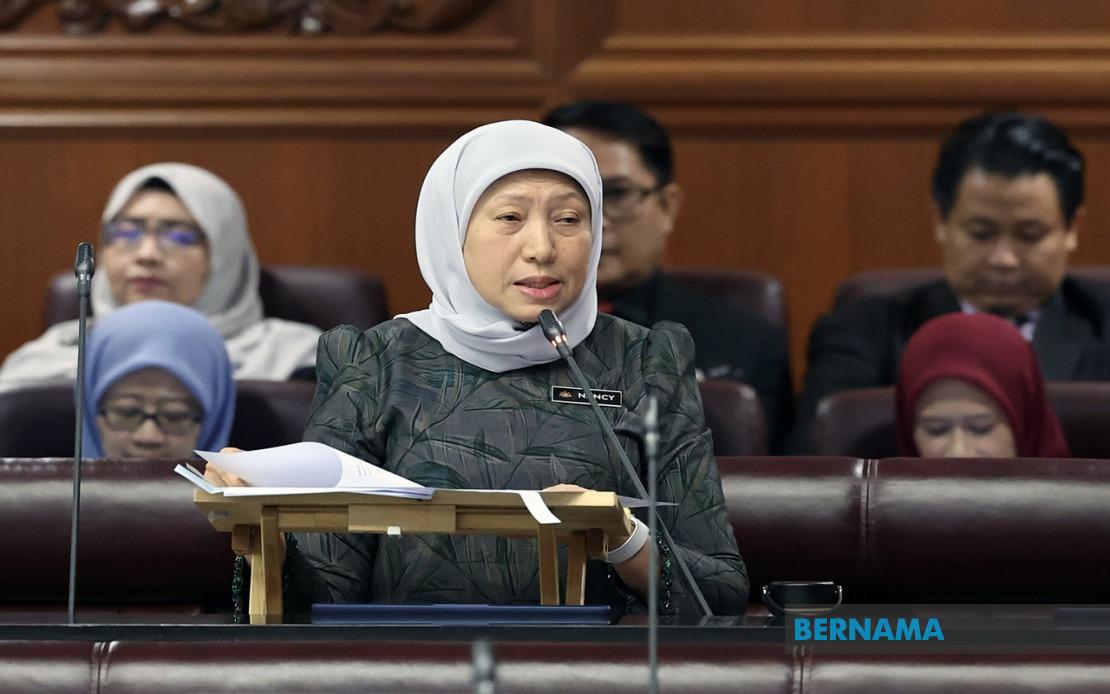
Malaysia is embarking on a comprehensive overhaul of its Child Act 2001 in response to 159 recommendations issued by the United Nations Committee on the Rights of the Child (UNCRC), signalling the government's commitment to aligning domestic legislation with international child protection standards. The initiative, announced by Minister Datuk Seri Nancy Shukri during a Dewan Negara session, addresses gaps identified in Malaysia's current legal framework and implementation mechanisms for safeguarding children's welfare and rights.
The UNCRC's Concluding Observations, which form the basis for this review, cover a broad spectrum of child protection concerns, ranging from strengthening legal provisions against abuse to ensuring more robust mechanisms for implementing children's rights across all sectors. These recommendations represent the committee's assessment of Malaysia's compliance with the Convention on the Rights of the Child (CRC), an international treaty that Malaysia has ratified and committed to upholding. The sheer number of recommendations—159 in total—underscores the committee's view that significant improvements are necessary to bring Malaysian law and practice into line with global standards.
The Ministry of Women, Family and Community Development (KPWKM) has committed to a systematic examination of how these recommendations can be translated into concrete legislative and administrative reforms. Rather than operating in isolation, the ministry is adopting a collaborative approach that recognises child protection as a whole-of-government responsibility. This multi-agency strategy involves coordination among various ministries and relevant agencies, reflecting an understanding that effective child protection requires input from education, health, law enforcement, social welfare, and justice sectors.
Specific areas targeted for review include amendments to child protection and reporting mechanisms within the current legislation. The existing framework for identifying abuse and triggering intervention requires scrutiny to ensure that reporting pathways are accessible, responsive, and protective of the child's best interests. Additionally, procedures governing children's courts will be examined to determine whether current arrangements adequately balance procedural fairness with the vulnerability and developmental needs of child witnesses and defendants.
Family and community care provisions represent another critical focus area. Malaysia's approach to kinship care, foster placements, and community-based support systems will be evaluated against best practices identified internationally. The review will also assess rehabilitation frameworks and follow-up support mechanisms to ensure that children who have experienced abuse, neglect, or other harm receive comprehensive, trauma-informed interventions that facilitate healing and social reintegration.
The role of parents, guardians, and relevant agencies in child welfare systems will be reconsidered through this review process. Current definitions of parental responsibility, the rights and obligations of guardians, and the circumstances under which state intervention is warranted all merit examination in light of modern understandings of child development and family dynamics. This element of the review has significant implications for how Malaysia balances family autonomy with state responsibility for child safety.
Minister Shukri emphasised that the review will focus on defining the functions and authority of stakeholders involved in child case management. Clarity in roles and responsibilities is essential for preventing gaps in protection and avoiding overlap or duplication of efforts. When multiple agencies lack clear delineation of authority, children can fall through the cracks, and perpetrators may exploit confusion about who is responsible for action. The review therefore represents an opportunity to create coherent, legally-defined responsibility structures.
Enhancing cross-agency collaboration stands as a central objective of the reform process. Many child protection failures documented internationally stem from poor communication and coordination between agencies that hold relevant information or have complementary responsibilities. By systematically identifying barriers to collaboration and building improved information-sharing protocols and joint decision-making frameworks into the revised legislation, Malaysia can strengthen the effectiveness of its child protection system.
Improving the responsiveness of interventions and services for children is the ultimate goal underlying these technical reforms. Children's circumstances change rapidly, and protective systems must be designed to respond swiftly and appropriately to emerging risks. The review will consider how statutory timelines, resource allocation, and service availability can be optimised to ensure that children receive timely support when they need it most.
For Malaysia and the Southeast Asian region, this legislative review has broader significance beyond the immediate context of child protection. It demonstrates a willingness to subject domestic legal frameworks to international scrutiny and to implement recommendations from UN treaty monitoring bodies. This approach strengthens Malaysia's credibility within the international human rights system and serves as a model for other regional states engaged in similar accountability processes.
The involvement of UNCRC recommendations also signals an opportunity for Malaysia to align its practice with research-based approaches to child welfare that have been tested and refined across diverse legal and cultural contexts. While international best practices must always be adapted to local circumstances, they can serve as a valuable reference point for identifying innovations worth considering. Countries that have undertaken similar reforms can share lessons learned about implementation challenges and effective strategies.
The timeline for this comprehensive review has not been publicly specified, and questions remain about how extensively the recommendations will be incorporated into revised legislation. The government's commitment to a multi-agency approach is encouraging, though success will ultimately depend on the adequacy of resources allocated to the process, the depth of consultation with civil society and affected communities, and the political priority assigned to advancing child protection reforms in a legislative agenda that likely encompasses many competing demands.

