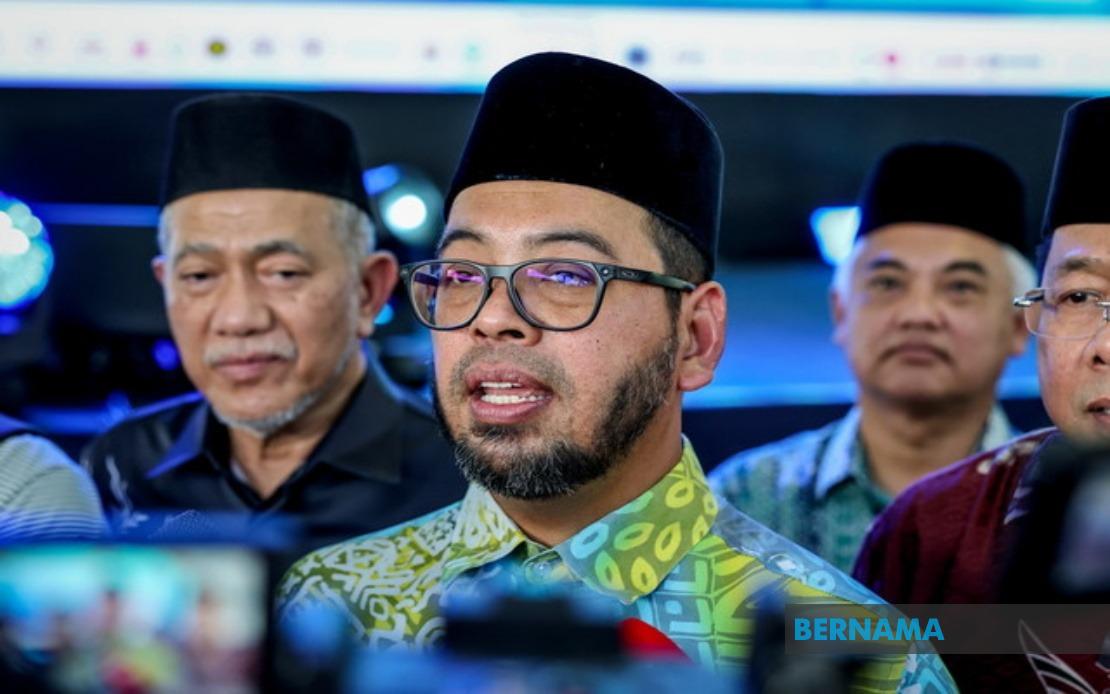
Malaysia has emerged as one of the world's foremost nations in managing Islamic affairs, drawing admiration from countries across the globe for its institutional frameworks and strategic policies, according to Religious Affairs Minister Dr Zulkifli Hasan. Speaking at the opening of the Northern Zone MADANI Ulama and Umara Multaqa at Masjid Timah, Permatang Pauh, in Bukit Mertajam on July 5, the minister highlighted that international scholars and observers consistently validate Malaysia's leadership position in this crucial domain.
The evidence supporting Malaysia's standing is not merely anecdotal but grounded in substantive data and measurable outcomes. Dr Zulkifli noted that during his international travels, the country's approach to Islamic governance regularly becomes the subject of study and commendation among peer nations. This international perception stands in stark contrast to domestic narratives suggesting that Islam faces marginalisation within Malaysia's pluralistic framework. Rather, the global community views the nation as a vital force in advancing Islamic thought and institutional practice on the world stage, positioning Malaysia as a model worthy of examination.
One of Malaysia's most significant accomplishments lies in its halal certification infrastructure, administered by the Department of Islamic Development Malaysia (JAKIM). This system has achieved recognition as among the most rigorous and credible in the world, serving as the benchmark for halal standards across multiple sectors including food, pharmaceuticals, cosmetics, and logistics. The strength of JAKIM's certification regime has made Malaysia a trusted authority for Muslim consumers globally and a commercial advantage for Malaysian businesses seeking to tap international halal markets worth hundreds of billions of dollars annually.
The nation's pilgrimage administration also commands international respect. Lembaga Tabung Haji's management of the hajj has received repeated global accolades for its efficiency, transparency, and care for Malaysian pilgrims. The organisation's approach to handling logistics, accommodation, and pastoral support for hundreds of thousands of Malaysian Muslims undertaking the annual journey to Mecca has set benchmarks that other Muslim-majority nations study and emulate.
Malaysia's Islamic finance sector represents perhaps its most striking economic achievement in this sphere. The country has maintained its position as the world's leading Islamic finance hub for eleven consecutive years, with a sophisticated ecosystem encompassing Shariah-compliant banking, insurance, and capital markets. This leadership reflects not only the country's institutional capacity but also the confidence of global investors in Malaysia's regulatory framework and Islamic finance expertise, making Kuala Lumpur a financial centre rivalling London and Singapore for Islamic banking and investment activities.
In the realm of Islamic education, the government has invested significantly in strengthening foundational Islamic learning. The Kelas Al-Quran dan Fardu Ain (KAFA) programme, which serves as the primary vehicle for basic Islamic education outside madrasahs, is undergoing comprehensive modernisation through the KAFA 2.0 initiative. This upgrade emphasises practical application of Islamic principles rather than rote memorisation, aiming to produce graduates who understand how Islamic teachings translate into ethical action in contemporary life.
The Quranic memorisation sector, or tahfiz education, has similarly benefited from structured national planning. Malaysia has developed a comprehensive ecosystem anchored by the National Tahfiz Council, a codified National Tahfiz Policy, standardised curricula through the National Tahfiz Standard, and a recognised Malaysia Tahfiz Certificate. These institutional mechanisms enable students who memorise the Quran to seamlessly transition into professional, technical, and tertiary educational pathways, recognising their achievement while preparing them for diverse career opportunities. The government's emphasis on producing professional huffaz reflects recognition that Islamic scholarship must integrate with broader national development objectives.
Beyond policy frameworks, the private and civil sectors continue supporting Islamic institutional capacity. Yayasan Takwa recently distributed RM280,000 across twenty-eight mosques throughout Penang, with each institution receiving RM10,000 to support operational and developmental needs. Selected Islamic educational establishments also received comparable grants, reflecting a pattern of philanthropic investment in strengthening Islam's institutional presence at the grassroots level.
For Malaysian readers, these developments carry multiple implications. Domestically, they suggest that the government views Islam not as a constraint on Malaysia's development but as a strategic asset requiring continuous institutional strengthening. Internationally, Malaysia's leadership in Islamic affairs elevates the nation's soft power and diplomatic influence, particularly within the Organisation of Islamic Cooperation and among Muslim-majority and Muslim-minority nations seeking institutional guidance. The achievements in halal certification and Islamic finance directly benefit Malaysian exporters and financial institutions competing in global markets.
Regionally, Malaysia's model demonstrates that Islamic governance and economic development need not conflict. Southeast Asian nations grappling with questions of religious identity, minority rights, and institutional management increasingly look to Malaysia's experience. The emphasis on structured approaches to Islamic education, finance, and certification suggests that Islamic affairs can be managed through professional institutions rather than ad-hoc arrangements, a lesson of significance across the Muslim world.
The international recognition Dr Zulkifli described reflects Malaysia's capacity to synthesize Islamic principles with modern governance, creating systems that satisfy both religious authenticity and practical efficacy. This achievement distinguishes Malaysia from nations where Islamic institutional development remains fragmented or where religious and secular governance operate as separate silos. As Malaysia navigates the complexities of a plural society and competes within globalised markets, its demonstrated leadership in Islamic affairs management may prove an enduring competitive advantage and a source of diplomatic influence.

