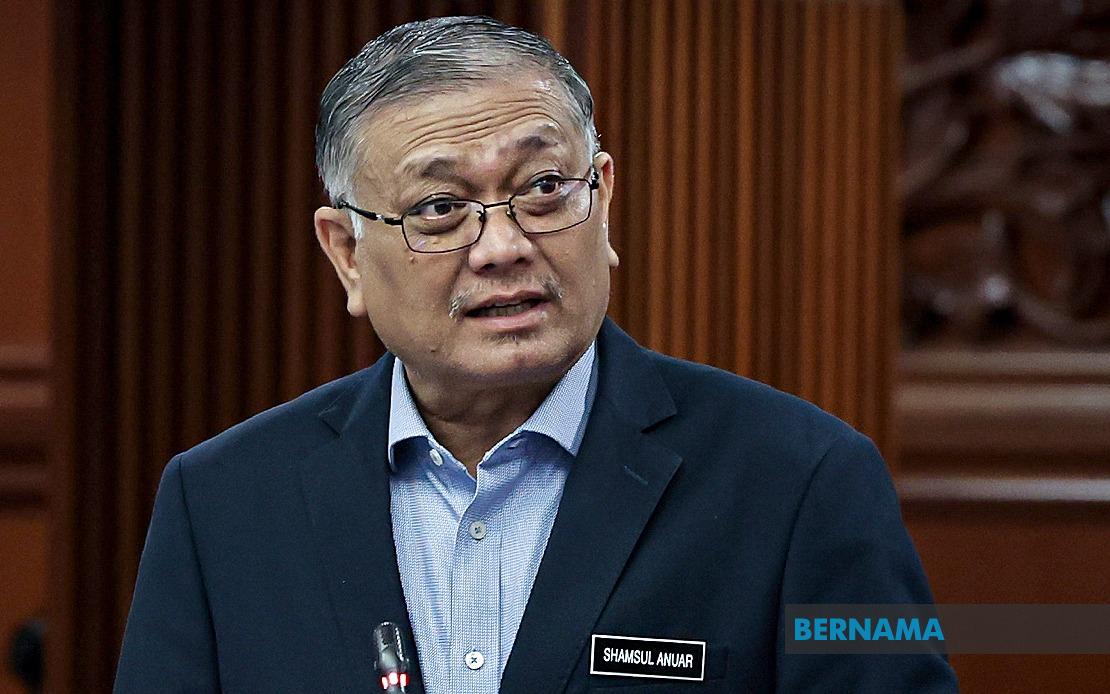
The Malaysian government is taking a comprehensive, individualized approach to citizenship applications, particularly for vulnerable populations facing administrative hurdles. Speaking during parliamentary proceedings on July 8, Deputy Home Minister Datuk Seri Dr Shamsul Anuar Nasarah clarified that the ministry considers each applicant's circumstances separately, using the facts of the case and applicable constitutional provisions as the foundation for assessment. This stance signals a more flexible interpretation of citizenship eligibility, particularly benefiting individuals whose documentation has been lost or complicated by extraordinary circumstances.
One significant area receiving renewed attention involves children born overseas to Malaysian mothers. The Deputy Home Minister explicitly stated that the death of a Malaysian mother does not automatically eliminate an individual's eligibility to apply for citizenship. This clarification addresses a longstanding concern among advocacy groups and families who have faced administrative barriers when attempting to regularize the status of offspring born abroad to Malaysian women who have since passed away. The policy shift acknowledges that circumstantial factors beyond an applicant's control should not result in permanent exclusion from the citizenship pathway.
The assessment process itself incorporates multiple layers of verification designed to balance accessibility with national security considerations. Applicants undergo background checks, document verification, and rigorous security screening protocols. This multi-stage examination ensures that citizenship grants proceed only to individuals deemed genuinely eligible while maintaining the integrity of national borders and immigration frameworks. The Home Ministry's emphasis on comprehensive vetting reflects the government's commitment to preventing misuse of citizenship provisions while remaining responsive to legitimate claims from eligible individuals.
For adults aged 21 and above who have never previously sought citizenship, the naturalization pathway under Article 19 of the Federal Constitution remains available. However, the requirements are substantial. Candidates must first secure permanent resident status, satisfy a minimum residency period, demonstrate good character, and possess sufficient competency in the Malay language. These prerequisites effectively create a multi-year process for most applicants, filtering out those lacking genuine commitment to Malaysian integration. The language requirement, in particular, reflects the government's view that citizenship extends beyond legal status to encompass cultural and social participation within the nation.
Recognizing the administrative challenges that have historically delayed processing, the Home Ministry has committed to a one-year processing timeframe for complete citizenship applications. This target represents a significant efficiency improvement compared to historical practices where applications languished for extended periods. The ministry is actively monitoring compliance with this timeline, acknowledging that delays undermine public confidence in the immigration system and create unnecessary hardship for applicants whose lives remain in limbo awaiting decisions. By establishing this benchmark, the government has created measurable accountability for its immigration bureaucracy.
Documentation deficiencies have proven particularly acute in Sabah and Sarawak, where historical record-keeping and registration systems have been inconsistent. To address this regional dimension, the Home Ministry has established a Special Task Force (PPK) comprising the National Registration Department (JPN) and the Sarawak Premier's Department. Operating through field operations, this task force actively assists individuals in resolving documentation gaps, including registering births and obtaining identification documents for those who qualify. This collaborative approach recognizes that immigration challenges in Malaysia's eastern states require tailored solutions that incorporate local administrative capacity and expertise.
Sarawak has additionally established a state-level Special Committee focused on citizenship status, which specifically reviews applications under Article 15E of the Federal Constitution. This specialized body expedites consideration of cases requiring exceptional treatment, particularly applications involving children whose circumstances warrant federal government intervention. The creation of these parallel review mechanisms demonstrates governmental recognition that certain cases fall outside standard administrative processing and benefit from specialized judicial or administrative attention. The committee structure enables more nuanced decision-making that accounts for the particular vulnerabilities of child applicants.
Beyond citizenship matters, Malaysia is simultaneously addressing the broader refugee crisis affecting the region, particularly the Rohingya displacement from Myanmar. Deputy Foreign Minister Datuk Lukanisman Awang Sauni indicated that Malaysia will leverage ASEAN platforms and strengthen coordination with the United Nations High Commissioner for Refugees (UNHCR) to enhance protection mechanisms for Rohingya populations currently residing in Malaysia. The government recognizes that refugee flows generate cascading challenges including irregular migration, human trafficking networks, and security vulnerabilities that demand coordinated international responses.
Malaysia's commitment to the Five-Point Consensus (5PC), ASEAN's agreed framework for addressing the Myanmar crisis, reflects the nation's positioning as a responsible regional actor. However, the Deputy Foreign Minister acknowledged that sustainable resolution requires broader international engagement and burden-sharing arrangements. Malaysia, hosting one of the world's largest undocumented Rohingya populations, has emphasized the necessity for expanded third-country resettlement opportunities. This diplomatic positioning seeks to distribute responsibility among wealthier nations and international bodies that have greater capacity to absorb refugee populations while Malaysia manages its domestic integration challenges.
For Malaysian residents and investors, these policy developments carry important implications. The clarified citizenship eligibility pathways may facilitate family reunification for diaspora communities while the commitment to processing efficiency reduces administrative uncertainty. The establishment of task forces and specialized committees suggests that the government is moving from a reactive posture to a more proactive administration of immigration matters. The emphasis on transparent assessment criteria provides greater clarity for prospective applicants regarding eligibility requirements and expected timelines.
Regionally, Malaysia's nuanced approach to citizenship alongside its refugee diplomacy positions the nation at the center of Southeast Asian migration governance. By expanding pathways for legitimate citizenship while maintaining security standards, Malaysia offers a model that other nations grapple with. The integration of citizenship policy with refugee protection frameworks acknowledges that population flows operate across multiple legal statuses and categories, requiring sophisticated governmental responses.
The government's incremental liberalization of citizenship criteria reflects broader regional trends toward acknowledging the complexities of contemporary migration. Rather than treating citizenship applications as administrative rubber-stamping or implementing rigid exclusionary policies, Malaysia's new emphasis on individualized assessment suggests a maturation of immigration thinking. This approach requires more sophisticated bureaucratic capacity but offers greater justice to applicants whose circumstances defy straightforward categorization. As implementation proceeds through 2024 and beyond, the actual execution of these policies will ultimately determine whether the stated commitments translate into meaningful improvement for affected populations seeking regularization of their legal status in Malaysia.

