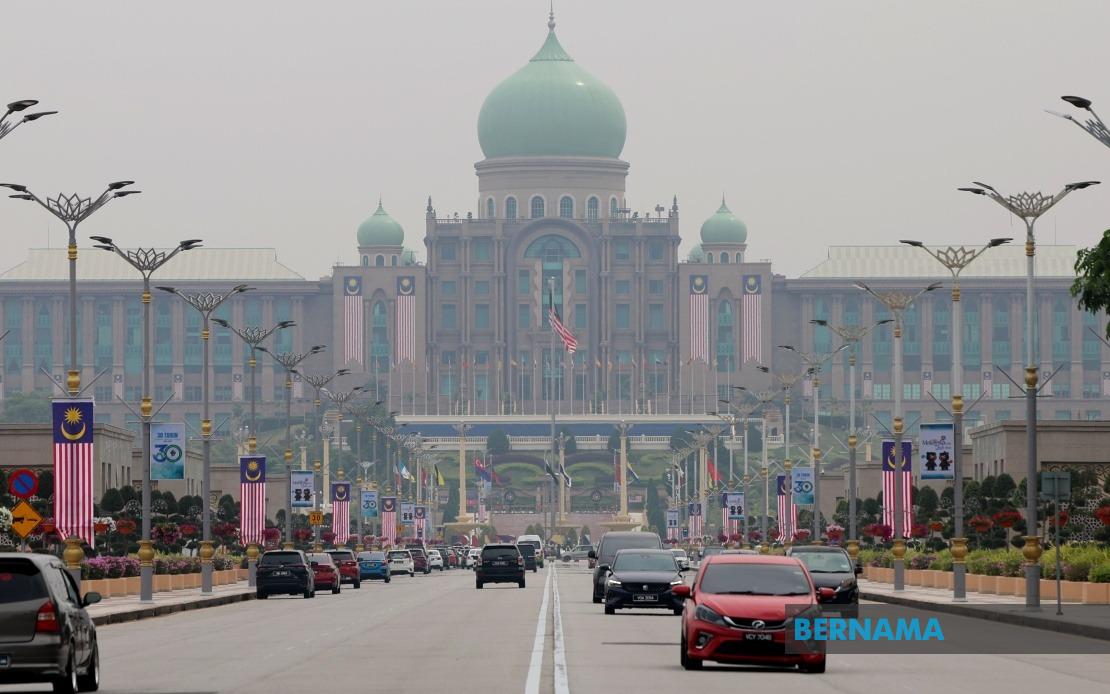
Malaysia has formally pressed all ASEAN member states to work in concert on tackling the mounting threat of transboundary haze, emphasizing that coordinated prevention, robust readiness and sustained oversight represent the most effective regional response to this recurring environmental challenge. The appeal came through an official communication to ASEAN Secretary-General Dr Kao Kim Hourn, highlighting the need for each country to reinforce protective mechanisms across the bloc while respecting the established framework of the ASEAN Agreement on Transboundary Haze Pollution (AATHP).
Natural Resources and Environmental Sustainability Minister Datuk Seri Arthur Joseph Kurup stressed that member nations must sharpen their control efforts and emergency preparedness by intensifying surveillance of areas most susceptible to fire outbreaks, upgrading systems for detecting hotspots before they spread, tightening enforcement of prohibitions on field burning, and ensuring that firefighting capacity remains at peak operational levels. The comprehensive approach recognizes that while individual countries have largely kept fire incidents within their own territories for now, the borderless nature of smoke and haze means that preventive action in one nation directly benefits its neighbours.
The timing of Malaysia's intervention reflects deepening concern about environmental conditions across the region. Meteorological assessments indicate that extended periods of unusually low rainfall in southern ASEAN areas have triggered a notable uptick in fire hotspot detection and associated haze formation. This seasonal pattern is particularly worrying given scientific forecasts that the El Niño phenomenon will intensify during coming months, historically a period when dry conditions become more severe and fire risks multiply across Indonesia, Malaysia and surrounding territories.
El Niño cycles have repeatedly triggered some of Southeast Asia's most severe haze episodes in recent decades. The 2015 haze crisis, driven by El Niño conditions combined with extensive peatland fires in Indonesia, created a public health emergency across the region and cost billions in economic losses. The prospect of similar conditions developing again has prompted Malaysia to move swiftly, emphasizing that early action and information-sharing now can prevent a repeat of such devastation. The region's susceptibility to this phenomenon means that preparation cannot wait for haze to become visible; it must be built well in advance.
Effective cross-border haze management depends fundamentally on rapid, honest exchange of data between governments, coordination of firefighting resources and harmonized enforcement of burning regulations. Malaysia has highlighted these information-sharing mechanisms as non-negotiable foundations for any successful regional response. Without transparency about where fires are occurring, their severity and their trajectories, individual nations cannot target their limited resources efficiently or warn populations of impending air quality deterioration. The ASEAN Secretariat's operation of the Interim Coordinating Centre for Transboundary Haze Pollution Control provides an institutional mechanism for this crucial coordination.
Malaysia's statement acknowledges the proactive role that the ASEAN Secretariat has already undertaken in distributing haze-related information, orchestrating preparedness initiatives among member states and strengthening the legal and operational architecture underpinning the AATHP. This recognition serves to reinforce institutional credibility and encourage further commitment from the regional body, while making clear that individual capitals must now translate collective statements into tangible action on their own territory. The distinction matters: ASEAN coordination is vital, but ultimately each government must deploy its own resources to control fires at their source.
The minister's message carries particular weight for Malaysia, which sits at the geographic heart of the transboundary haze problem and absorbs smoke from fires across Indonesia and Brunei. When severe haze events strike, Malaysian urban areas including Kuala Lumpur and Klang Valley experience hazardous air quality levels, schools close, hospitals fill with respiratory patients, and productivity plummets. Economic impacts ripple through supply chains, affecting manufacturing and tourism. Public health consequences are profound, with vulnerable populations—the elderly, children and those with respiratory conditions—suffering disproportionately. This direct exposure makes Malaysia's advocacy for stronger regional prevention both morally justified and strategically rational.
The broader context includes Malaysia's own environmental commitments and climate change obligations. Haze events undermine efforts to achieve sustainable development goals and climate targets, particularly those related to human health and environmental protection. By championing collective ASEAN action now, Malaysia positions itself as a responsible regional actor while simultaneously protecting its own citizens and economy. The framing emphasizes that haze control serves not sectional national interests but shared regional prosperity and the wellbeing of all ASEAN peoples.
Southeast Asian governments face genuine constraints in enforcing burning prohibitions, particularly in remote areas where agricultural and land-clearing communities view fire as an economical tool. Indonesia, despite significant improvements in recent years, continues to struggle with enforcement across its vast archipelago. Brunei and Sarawak in Malaysian Borneo face similar challenges with resource limitations and geographic sprawl. Recognizing these realities, Malaysia's call for strengthened enforcement implicitly acknowledges that this requires not just stricter rules but also investment in monitoring technology, trained personnel, and community engagement programs that offer viable alternatives to open burning.
Looking forward, the El Niño forecast means Southeast Asia's governments have a limited window to bolster defences. Dry conditions typically peak from August through October, with some years extending into November. Any delay in implementing preparedness measures risks being overtaken by events. Malaysia's urgency reflects this calendar reality: the time for additional coordination meetings and planning sessions has largely passed, and the moment for operationalizing commitments has arrived. The region must now demonstrate whether ASEAN's founding principle of non-interference can be balanced with the practical reality that environmental hazards respect no borders and that collective action offers the only realistic solution.
Malaysia's confidence that member states possess the commitment to achieve enhanced regional resilience suggests optimism rooted in practical experience. Previous haze crises have yielded improvements in detection systems, firefighting coordination and diplomatic cooperation. Yet each severe event also exposes gaps and the need for further investment. The message to Dr Kao Kim Hourn and national capitals is clear: the region has tools and frameworks; what remains is the political will and resources to deploy them fully before El Niño conditions arrive in full force.

