The Malaysian government has moved to ease financial pressures on media practitioners by restoring the monthly fuel subsidy quota under the BUDI MADANI RON95 programme to 300 litres, reversing a reduction that took effect earlier this year. The decision, which takes effect from September 1, represents a partial reversal of April's austerity measure that had compressed the allocation to 200 litres per month following regional geopolitical tensions affecting fuel prices.
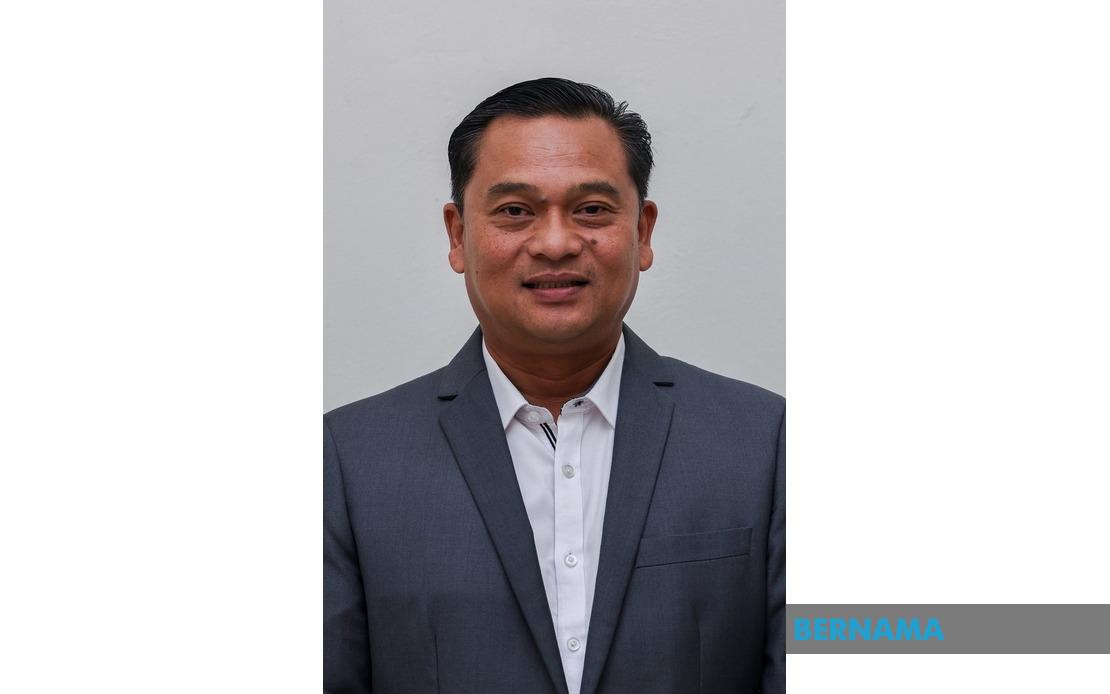
The Association of Malaysian Media Clubs (GKMM) has welcomed the announcement as meaningful relief for journalists and broadcasters, particularly those operating outside the capital. In a statement released shortly after the policy was confirmed, GKMM president Mohd Fauzi Ishak underscored how the restoration addresses a persistent challenge facing the profession: the rising cost of mobility and logistics in executing daily coverage assignments across Malaysia's diverse geography.
For media workers stationed in states beyond Kuala Lumpur, the implications of fuel quota fluctuations carry substantial weight. These practitioners must undertake regular travel to cover news events, attend media briefings, and maintain their news-gathering operations across dispersed locations. The difference between 200 and 300 litres monthly represents not merely a marginal adjustment but a meaningful cushion against the out-of-pocket expenses that accumulate when subsidised fuel allocation falls short of operational requirements. When the quota had been reduced, many media workers found themselves forced to purchase additional fuel at market rates, effectively eroding their disposable income.
Mohd Fauzi emphasised that the quota restoration ensures media practitioners can fulfil their broader public service mandate without bearing unsustainable personal financial burdens. The ability to maintain reliable, timely reporting and comprehensive event coverage depends partly on journalists being able to travel without catastrophic expense. The restored quota therefore carries implications beyond individual household finances, touching on the practical capacity of Malaysia's news industry to function effectively and serve the citizenry with quality information.
The government's decision also carries broader economic dimensions. Prime Minister Datuk Seri Anwar Ibrahim, speaking during the National Day 2026 address at the Putrajaya International Convention Centre (PICC), noted that the restoration enables approximately 16 million Malaysian consumers to continue enjoying subsidised RON95 petrol at the stable price of RM1.99 per litre. This underscores the interconnected nature of fuel subsidy policy: adjustments to the BUDI MADANI programme affect not only targeted beneficiary groups but also the government's overall fiscal position and inflation management strategy.
The sequence of policy adjustments reveals the delicate balance policymakers navigate when managing fuel subsidies amid external economic pressures. The March 26 announcement that preceded the April reduction explicitly cited the impact of West Asian conflicts on global petroleum markets as justification for the temporary compression. Crude oil price volatility, geopolitical risks, and currency fluctuations all factor into subsidy sustainability calculations. The relatively quick reversal of the reduction suggests either improved fiscal conditions or a reassessment of the subsidy's strategic importance to particular sectors and constituencies.
Media practitioners occupy a somewhat distinctive position in subsidy policy deliberations. Unlike general consumers or commercial operators, journalists and broadcasters perform functions that governments and civil societies consider essential to democratic functioning and public information. Recognising media workers as a category deserving targeted support reflects acknowledgement of their public-interest role, even as governments manage constrained budgets. The GKMM's advocacy for the restoration appears to have successfully framed the issue in terms of professional capacity and public service rather than mere sectional interest.
Looking ahead, GKMM has signalled an intention to pursue complementary measures. The association has called upon media companies and agencies nationwide to examine introducing new incentive schemes or allowances specifically designed for media practitioners. This suggestion recognises that fuel subsidies alone cannot address the full scope of rising operational costs that contemporary journalism demands. Travel and logistics expenses represent only one dimension of increasing professional expenditure; equipment costs, communication charges, and other operational requirements similarly pressurize news organisations and individual journalists.
The restoration of the fuel quota carries particular significance for regional media outlets and provincial news operations. Smaller news bureaus, independent journalists, and regional publications often operate with tighter margins than major metropolitan media organisations. For these operations, the difference between accessing subsidised fuel and purchasing unsubsidised petrol directly impacts editorial capacity and reporting reach. A journalist in Kedah or Terengganu now faces more predictable fuel costs, enabling more reliable planning of coverage assignments and field operations.
Southeast Asian context also informs this policy discussion. Across the region, governments employ fuel subsidies and targeted support mechanisms to manage energy costs for various constituencies. Malaysia's approach to supporting media workers through the BUDI MADANI programme reflects broader regional patterns of using fiscal instruments to sustain sectors deemed strategically important. How Malaysian policymakers calibrate these subsidies influences dynamics across the Association of Southeast Asian Nations, where fuel prices and logistical costs similarly challenge news organisations navigating similar geographic and economic challenges.
The restoration from September onward also addresses timing concerns for media organisations planning their operational budgets. The announcement provides sufficient advance notice for newsroom management to recalibrate fuel allocation expectations and adjust journalist allowances accordingly. Media companies can now plan for the remainder of 2026 with greater confidence regarding fuel-related expenses, potentially reallocating savings toward other professional development or equipment investments.
Looking at the broader implications, the government's decision signals continued commitment to supporting media infrastructure and journalism's practical functioning, even during periods of fiscal constraint. This choice reflects an understanding that information ecosystems require not just regulatory frameworks and editorial freedom protections, but also material conditions enabling practitioners to operate effectively. The fuel subsidy, though seemingly technical and narrow, connects directly to journalists' ability to move around their beats, respond to breaking news, and deliver the reporting essential to informed democratic participation.
As Malaysia navigates ongoing global economic uncertainty and regional developments, subsidy policy will likely remain subject to periodic review and adjustment. The media sector's advocacy in this instance demonstrates the importance of professional organisations clearly articulating their members' material needs and linking those needs to broader public interest considerations. The restoration of the 300-litre quota represents a practical victory for working journalists, but also reflects an implicit recognition that supporting journalism's practical functioning remains a governmental and societal priority even when budgets tighten.

