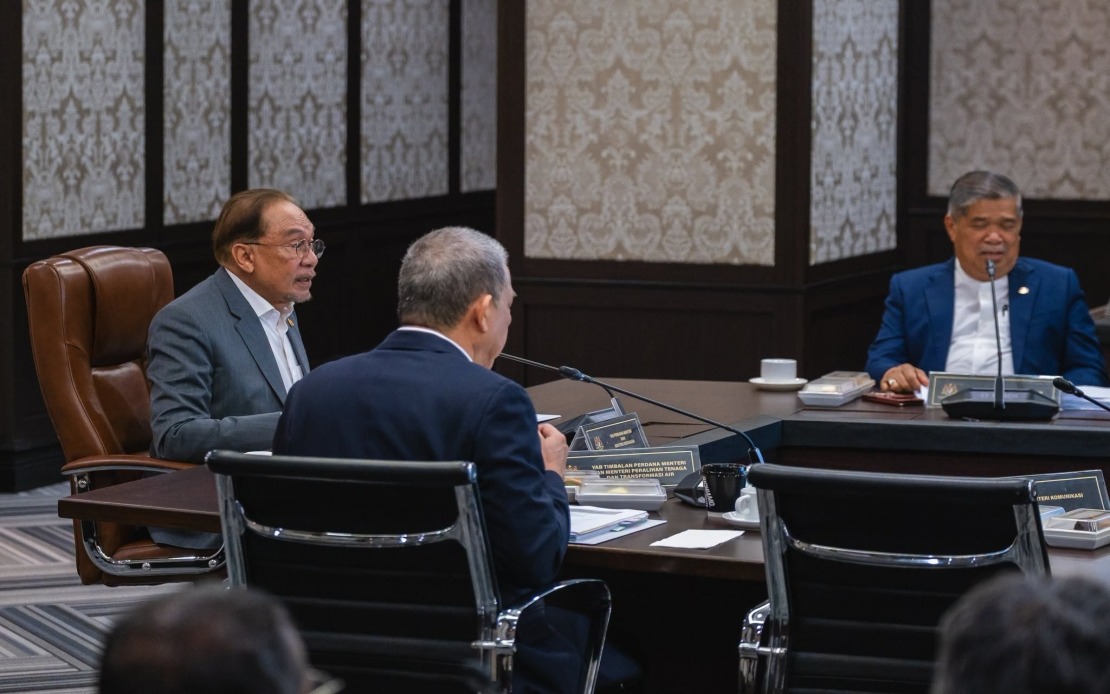
The Malaysian government has embarked on high-level negotiations to break a nearly decade-long trade impasse with Thailand affecting the nation's shrimp sector, while simultaneously pursuing approval for domestic livestock products to enter the Thai market. Agriculture and Food Security Minister Datuk Seri Mohamad Sabu revealed the push during the inaugural National Food Security Council meeting of 2026, convened by Prime Minister Datuk Seri Anwar Ibrahim, signalling that bilateral agricultural trade tensions remain a priority concern for policymakers.
The shrimp dispute has festered since 2017, creating substantial headwinds for Malaysian exporters who have been locked out of a crucial regional market for nearly a decade. The blockage represents a significant constraint on a sector that has historically been vital to Malaysia's aquaculture industry and rural livelihoods, particularly in states with established shrimp farming infrastructure. Beyond this longstanding friction, Malaysia has been waiting since 2024 for Thailand to greenlight access for the country's livestock products—a separate but complementary trade challenge that underscores broader regional agricultural friction.
The timing of Malaysia's diplomatic push reflects escalating tensions in cross-border food commerce. Thailand has simultaneously imposed its own restrictions on shrimp shipments to Malaysia, effective from June 1 this year, creating a tit-for-tat dynamic that threatens to further entrench the trade dispute. Compounding these issues are stringent inspection protocols that Thailand has applied to Malaysian barramundi—a premium aquaculture export—adding compliance burdens that can slow shipments and inflate costs for exporters. These overlapping barriers paint a picture of deepening agricultural protectionism within Southeast Asia.
The government's engagement on these trade issues arrives amid mounting domestic food security anxieties. Mohamad underscored that Malaysia remains vulnerable to the El Niño phenomenon and the broader climate disruption reshaping global agricultural patterns. These meteorological and climatic headwinds pose genuine threats to sustained food production across the country, potentially extending drought periods that could undermine domestic harvests and raise food prices for consumers. The convergence of external trade obstacles and internal climate vulnerabilities places food security front and centre in national policymaking.
In response to these mounting challenges, the agriculture ministry has rolled out a suite of preventive, adaptive, and protective measures designed to shield agricultural entrepreneurs from cascading shocks. These initiatives extend beyond emergency response to encompass strategic sector transformation. The government is exploring the commercial viability of cultivating alternative protein sources domestically, a move that reflects global trends toward reducing dependency on conventional livestock and seafood. Such diversification could reduce Malaysia's exposure to trade restrictions while addressing long-term sustainability concerns as the country urbanises and consumption patterns shift.
Strengthening the competitive standing of Malaysia's agricultural sector has also emerged as a central strategic priority. The administration recognises that without meaningful improvements in productivity, quality, and cost efficiency, domestic producers will struggle to compete regionally and globally, irrespective of trade barriers. This suggests a recognition that resolving the Thailand dispute alone will be insufficient; Malaysian producers must simultaneously upgrade their capabilities to recapture market share once restrictions lift.
The Malaysian Fisheries Development Authority's slipway infrastructure has been flagged for operational and service improvements, indicating that bottlenecks in post-harvest handling and logistics have been identified as constraints. Modern slipway facilities are essential for efficient fish unloading, processing, and distribution, and upgrades could reduce waste, improve product quality, and lower transaction costs—competitive advantages that matter when competing in regional markets where Thai producers may enjoy proximity advantages.
The August-September staging of the Malaysian Agriculture, Horticulture and Agro-tourism Exhibition at MAEPS Serdang will serve as a showcase for the sector's evolution and a platform for networking among industry stakeholders. These biennial exhibitions typically generate media attention and direct business opportunities, and the 2026 edition arrives at a critical juncture when the sector requires renewed momentum and investor confidence.
Minister Mohamad's emphasis on food security as a national priority demanding collective commitment reflects an implicit acknowledgment that no single government agency or policy intervention can resolve the complex interplay of trade, climate, infrastructure, and productivity challenges confronting Malaysia's agri-food system. The successful navigation of the Thai trade disputes will require coordinated diplomacy, strategic concessions, and likely reciprocal gestures that acknowledge Thai farming constituencies' own protective concerns. Simultaneously, building a genuinely resilient food system requires long-term investments in climate-adaptive agriculture, rural infrastructure, technology adoption, and supply chain modernisation—efforts that transcend bilateral trade negotiations.

