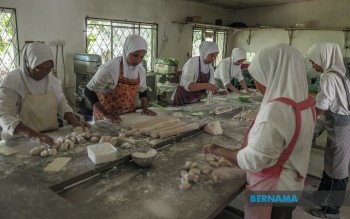
The Malaysian government has taken concrete steps to strengthen domestic halal ingredient production by launching 23 initiatives across seven strategic pillars under the Halal Industry Master Plan 2030, according to the Ministry of Investment, Trade and Industry. This comprehensive push, which had reached implementation stage by May 2026, represents a significant effort to cut the nation's reliance on imported critical ingredients that form the backbone of the halal food manufacturing ecosystem.
The breadth of the government's approach reflects an understanding that ingredient security is fundamental to Malaysia's competitive position in global halal markets. Rather than pursuing a broad-based import reduction strategy, MITI has adopted a focused methodology that targets specific ingredient categories deemed strategically important, those where Malaysia currently depends heavily on external sources, and those with demonstrable domestic production potential. This selective approach allows policymakers to concentrate resources where they can achieve the most meaningful economic impact.
Seven of the 23 initiatives specifically concentrate on developing the halal ingredient sector itself through research and development activities. These programmes aim to establish the scientific and technical foundations necessary for Malaysian manufacturers to produce ingredients locally that currently must be sourced from overseas suppliers. By investing in R&D capabilities, the government is essentially building the knowledge infrastructure required for long-term ingredient independence, positioning Malaysia to become a net supplier rather than a perpetual importer.
Financing support for micro, small and medium enterprises has emerged as a critical component of the strategy. The halal ingredient sector is populated by numerous smaller operators who possess technical expertise and entrepreneurial drive but often lack capital to scale production or invest in modern manufacturing equipment. Government-backed financing mechanisms help bridge this gap, enabling promising halal ingredient producers to expand capacity and meet the growing demands of Malaysia's large food manufacturing base.
Talent development initiatives represent another pillar of the strategy, acknowledging that ingredient innovation and production excellence require skilled personnel. These programmes likely include training schemes, technical education pathways, and knowledge transfer mechanisms that equip Malaysian workers with expertise in halal ingredient production. Without a robust pipeline of trained professionals, even well-funded production facilities would struggle to operate efficiently and innovate competitively.
The commercialisation component addresses a common problem facing Malaysian research and development efforts: translating laboratory discoveries into market-ready products. By explicitly incorporating commercialisation support into the HIMP 2030 framework, the government has recognised that developing a new halal ingredient is only half the battle; successfully bringing it to market at competitive prices requires separate expertise in manufacturing scale-up, regulatory navigation, and customer acquisition.
A significant supporting infrastructure element involves MyHALALINGREDIENTS, a data collection system launched by the Department of Islamic Development Malaysia in August 2025. This digital platform allows ingredient manufacturers and food producers to record and verify the halal status of raw materials used in production, creating unprecedented transparency across the halal supply chain. The system's integration with the existing MYeHALAL certification platform streamlines bureaucratic processes, reducing the time and cost burden on businesses seeking halal certification.
The integration of MyHALALINGREDIENTS with MYeHALAL represents intelligent use of digital infrastructure to reduce friction in Malaysia's halal regulatory environment. Previously, manufacturers might need to navigate multiple certification databases and verification processes; now, a unified platform consolidates these functions. For Malaysia's competitive position in global halal markets, this efficiency gain is meaningful—faster certification cycles make domestic ingredients more commercially viable compared to imported alternatives that may already carry established halal credentials.
Industry matching and collaboration mechanisms represent the commercial engine of the plan. By facilitating partnerships between ingredient producers and leading food manufacturing companies, the government creates direct market pathways for locally produced halal ingredients. These matchmaking activities help small and medium producers overcome a critical hurdle: accessing reliable, long-term customers willing to adopt local ingredients at competitive prices. When major food companies commit to using domestically sourced halal ingredients, they provide the market stability necessary for producers to invest confidently in capacity expansion.
The strategic focus on ingredient categories with high import dependence reflects pragmatic policymaking. Malaysia cannot realistically become self-sufficient in all halal ingredients overnight, but concentrating on items where current import volumes are substantial offers the clearest return on investment. As these critical ingredients transition from imported to domestically produced, Malaysia saves foreign exchange, builds industrial capacity, and creates employment opportunities in ingredient manufacturing and supporting services.
For Malaysian businesses and consumers, this initiative carries broader implications. Food manufacturers gain potential cost advantages as local ingredient options mature and achieve scale, potentially translating to more competitive pricing for processed halal foods. The agricultural sector sees new opportunities for farmers and agribusinesses to supply raw materials for ingredient production, creating value-addition opportunities beyond commodity crop exports.
Regionally, Malaysia's push for halal ingredient self-sufficiency positions the nation as a potential exporter to neighbouring Southeast Asian countries with large Muslim populations. As HIMP 2030 initiatives mature and domestic ingredients reach international quality standards, Malaysian producers may find growing export markets across Brunei, Indonesia, and other regional partners seeking reliable halal ingredient suppliers.
The government's phased implementation approach suggests realistic expectations about timelines. Reducing import dependence in any sector requires sustained effort across multiple fronts—scientific research breakthroughs cannot be rushed, manufacturing capacity takes time to develop, and supply chain relationships must be nurtured gradually. By working through mapped stages of ingredient category identification, research advancement, commercialisation, and market development, policymakers acknowledge that sustainable import substitution is a medium-to-long-term undertaking requiring consistent investment and support.

