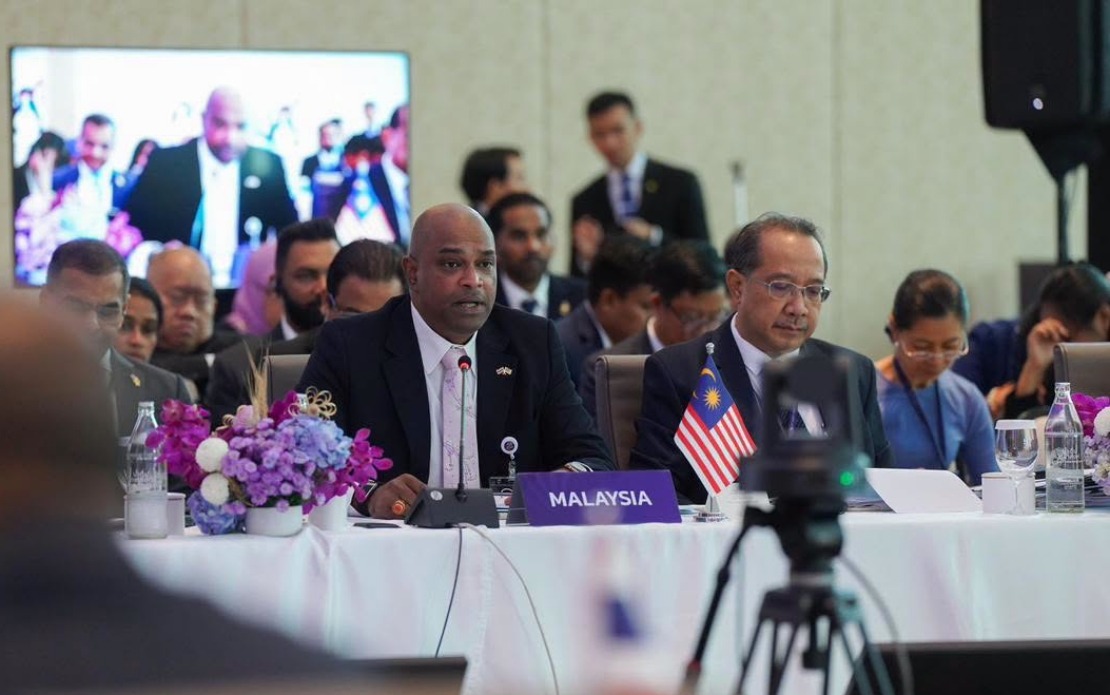
Malaysia has made a compelling case for ASEAN to establish more robust systems for recognising and validating the skills of its workforce, arguing that such measures are essential for the region to maintain competitive advantage in an increasingly demanding global economy. Human Resources Minister Datuk Seri R. Ramanan outlined the nation's position during the 14th ASEAN Plus Three Labour Ministers' Meeting held in Bangkok, Thailand, emphasising that regional talent must not only satisfy immediate employment demands but also possess the credentials needed to compete on the world stage.
The minister identified three strategic priorities that Malaysia believes should guide ASEAN's approach to skills development and recognition. First among these is the need to strengthen joint certification frameworks and achieve greater harmonisation of Technical and Vocational Education and Training qualifications across member states. Currently, workers trained in one ASEAN country may find their credentials carry limited weight in another, creating unnecessary barriers to labour mobility and regional economic integration. By establishing mutually recognised standards, ASEAN could unlock significant benefits for its workforce and employers alike.
Malaysia's second priority involves accelerating technology transfer and investing in the continuous professional development of teachers and trainers. The quality of vocational education depends fundamentally on the capability of instructors, and many institutions across the region lack access to cutting-edge equipment and methodologies. Through enhanced collaboration, ASEAN nations can share expertise and resources, ensuring that training facilities reflect current industry practices rather than becoming outdated repositories of obsolete knowledge. This approach addresses a critical bottleneck in the region's ability to produce job-ready graduates.
The third pillar of Malaysia's vision concerns the development of training programmes tailored to emerging and future-oriented sectors, particularly artificial intelligence, next-generation vehicles, and robotics. These fields represent the frontier of economic opportunity, and ASEAN nations must act proactively to equip their workforces with relevant expertise before talent shortages become acute. Countries that invest early in these domains will enjoy a decisive advantage in attracting foreign investment and positioning themselves as regional innovation hubs.
Ramanan emphasised that the overarching goal extends beyond mere bureaucratic recognition of certificates. Instead, Malaysia envisions a system where skills trained and earned within ASEAN command genuine respect from employers globally, where qualifications cross borders without friction, and where individual workers enjoy expanded opportunities to build fulfilling international careers. This reframing of the skills recognition challenge reflects a deeper understanding that workforce development is not merely a labour matter but a cornerstone of regional competitiveness and prosperity.
The inclusion of China, Japan, and South Korea in this dialogue represents a strategic decision to leverage the expertise and technological sophistication of these major economies. Each has developed world-class vocational training systems and possesses deep experience in emerging sectors like AI and advanced manufacturing. By formalising collaboration with these nations, ASEAN can accelerate the transfer of best practices and avoid costly trial-and-error processes. The minister stressed that this partnership approach reflects recognition that regional challenges often require solutions that transcend bilateral relationships.
Malaysia's advocacy at the ministerial meeting also highlights broader concerns about brain drain and the competitive dynamics of global talent markets. Without credible, internationally recognised qualifications, skilled workers from ASEAN may face pressure to seek opportunities abroad, depriving the region of human capital needed for development. Conversely, workers who can confidently compete globally while remaining anchored to ASEAN represent enormous potential for regional innovation and productivity growth. The stakes of getting skills recognition right are therefore profound and multifaceted.
For Malaysia specifically, advancing this agenda aligns with the nation's own economic transformation objectives. As the country positions itself for high-value manufacturing and knowledge-intensive sectors, the availability of skilled workers with credentials that command international recognition becomes increasingly critical. A more integrated ASEAN skills market would make Malaysia more attractive to multinational corporations seeking regional manufacturing or innovation hubs, while also ensuring that Malaysian workers possess competitive advantages in mobility and career progression.
The challenge ahead involves translating ministerial commitments into concrete mechanisms. ASEAN's track record on regional integration initiatives has been mixed, with implementation often lagging far behind ambitious declarations. Effective harmonisation of TVET qualifications will require not only agreement on standards but also investment in institutional capacity, regulatory alignment, and sustained political will across diverse member states with varying levels of development and resources. Malaysia's continued active engagement with ASEAN partners and major Asian economies will be essential to maintaining momentum and ensuring these priorities receive the attention and resources they deserve.
Looking forward, Malaysia's approach reflects a sophisticated understanding that workforce development in the 21st century is fundamentally a regional and global matter. No single nation can adequately prepare its citizens for careers that transcend borders, nor can any country claim to possess all the expertise and resources required for comprehensive skills development. By championing stronger regional frameworks for skills recognition and collaborating with leading Asian economies, Malaysia is positioning itself as a thought leader on workforce development while working to build the institutional architecture that will benefit all of ASEAN for decades to come.

