Malaysia has initiated formal diplomatic measures to address financial claims arising from the termination of a significant defence procurement agreement with Norwegian defence contractor Kongsberg Defence & Aerospace AS for the Naval Strike Missile system. Defence Minister Datuk Seri Mohamed Khaled Nordin confirmed that both the Defence Ministry and Foreign Ministry have officially communicated Malaysia's stance and intended strategy to the Norwegian government, signalling a coordinated approach to resolving the dispute.
The underlying dispute stems from Malaysia's decision to cancel the NSM contract, which has triggered compensation demands from the contractor. Rather than engaging solely through bilateral defence channels, the Malaysian government has strategically involved its foreign affairs apparatus to leverage diplomatic relationships and facilitate a negotiated settlement. This multi-ministry approach reflects recognition that defence procurement disputes often require high-level political mediation and international protocol to achieve satisfactory outcomes.
The strategy centres on requesting Norway to assume an intermediary role between Malaysian defence authorities and Kongsberg Defence & Aerospace. By appealing to the Norwegian government directly, Malaysia aims to benefit from the defence contractor's home nation having vested interest in resolving the matter amicably and maintaining productive defence relationships with Malaysia. Such governmental intermediation is common in international defence contracts where sovereign nations can pressure private companies toward reasonable settlement positions.
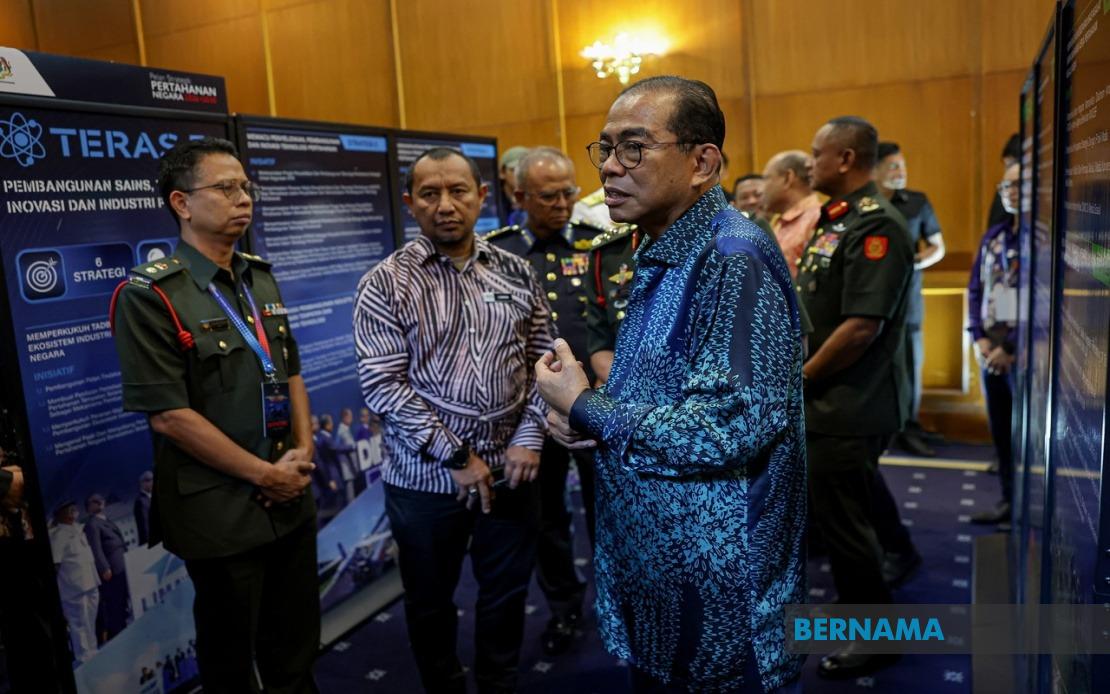
During the unveiling of the National Defence Strategic Plan and Defence Capability Blueprint 2026-2030, Minister Nordin emphasised the government's commitment to achieving fair resolution while protecting Malaysia's financial interests. The timing of these announcements alongside the strategic defence blueprint suggests the missile contract dispute is being positioned within the broader context of Malaysia's evolving defence capabilities and procurement strategy. Chief of Defence Force General Tan Sri Malek Razak Sulaiman's attendance underscored the matter's significance within Malaysia's defence establishment.
The Public Accounts Committee has already engaged with Defence Ministry officials through a special briefing, indicating parliamentary oversight of the issue. The PAC subsequently recommended that government strengthen both mitigation efforts and diplomatic initiatives to secure equitable resolution while maintaining fiscal prudence. This parliamentary involvement ensures the compensation matter remains subject to accountability checks and prevents potential settlement arrangements that might undermine Malaysia's budgetary interests or establish problematic precedents for future defence contracts.
The NSM contract cancellation reflects Malaysia's reassessment of defence procurement priorities and budget allocations in recent years. The Naval Strike Missile, a modern anti-ship weapon system, represents significant technological capability, and the decision to terminate the arrangement involved complex calculations regarding operational requirements, affordability, and strategic fit within Malaysia's overall maritime defence architecture. Compensation claims following such cancellations are increasingly common as defence contractors seek recovery of development costs and lost revenue.
From Malaysia's perspective, the dispute presents a delicate balancing act. The country must demonstrate seriousness about fulfilling contractual obligations and maintaining credibility with international defence suppliers, yet simultaneously protect public finances from excessive settlements that could consume resources needed for other defence capabilities. Norway's involvement as mediator provides face-saving opportunity for both parties to achieve compromise without either side appearing to capitulate entirely to the other's initial demands.
The involvement of both foreign and defence ministries demonstrates Malaysia's understanding that defence industrial relationships operate within broader bilateral frameworks. Norway, as a NATO member and advanced defence technology provider, maintains strategic relationships across Southeast Asia. How Malaysia's compensation dispute is resolved may influence Norway's willingness to support Malaysian defence modernisation efforts in future. Similarly, Malaysia's handling of the matter sends signals to other defence suppliers regarding contract reliability and dispute resolution approaches.
Setting compensation disputes through diplomatic channels rather than litigation offers several advantages for Malaysia. International arbitration or court proceedings would consume substantial time, resources, and potentially generate adverse precedents regarding Malaysian contract enforcement. Negotiated settlement, mediated through governmental channels, can produce more flexible outcomes tailored to both parties' longer-term interests in maintaining functional defence industry relationships. Moreover, diplomatic resolution keeps the matter from becoming public spectacle that might undermine Malaysia's standing with other defence suppliers.
The compensation claim's magnitude remains undisclosed, but defence procurement contracts involving advanced systems typically generate substantial financial exposure once development, production, and logistical support costs are calculated. Kongsberg Defence & Aerospace, as an established defence contractor with international standing, has leverage to pursue claims through various mechanisms, making negotiated resolution potentially less costly than allowing the dispute to escalate through formal legal channels. Malaysia's proactive approach signals willingness to engage seriously in resolving the matter before it becomes protracted and costly.
The broader context includes Malaysia's ongoing defence modernisation amid constrained budget environments. Decisions to cancel or renegotiate defence contracts increasingly reflect fiscal realities rather than technological inadequacy of the systems involved. Other Southeast Asian nations facing similar budgetary pressures have experienced comparable contract disputes, suggesting this represents a regional pattern rather than isolated Malaysian concern. How Malaysia navigates this dispute may provide template for addressing similar situations with other suppliers.
The government's multi-pronged strategy—involving formal notices, diplomatic communication, and parliamentary oversight—reflects lessons learned from previous defence procurement challenges. By ensuring transparency with the Public Accounts Committee and engaging foreign affairs expertise, Malaysia reduces risk that settlement decisions become subject to subsequent scrutiny or legal challenge. The approach also demonstrates to international defence suppliers that Malaysia takes contractual matters seriously while pursuing fair and transparent resolution processes.
As negotiations progress through Norwegian intermediation, Malaysia faces pressure to reach settlement that recognises both contractor's legitimate interests in compensation and Malaysia's legitimate need to constrain financial exposure. The outcome will likely set precedent for how Malaysia approaches future defence contract terminations and negotiations with major suppliers. Success in achieving reasonable settlement through diplomatic channels could enhance Malaysia's reputation as a reliable but fiscally prudent procurement partner in the international defence market.

