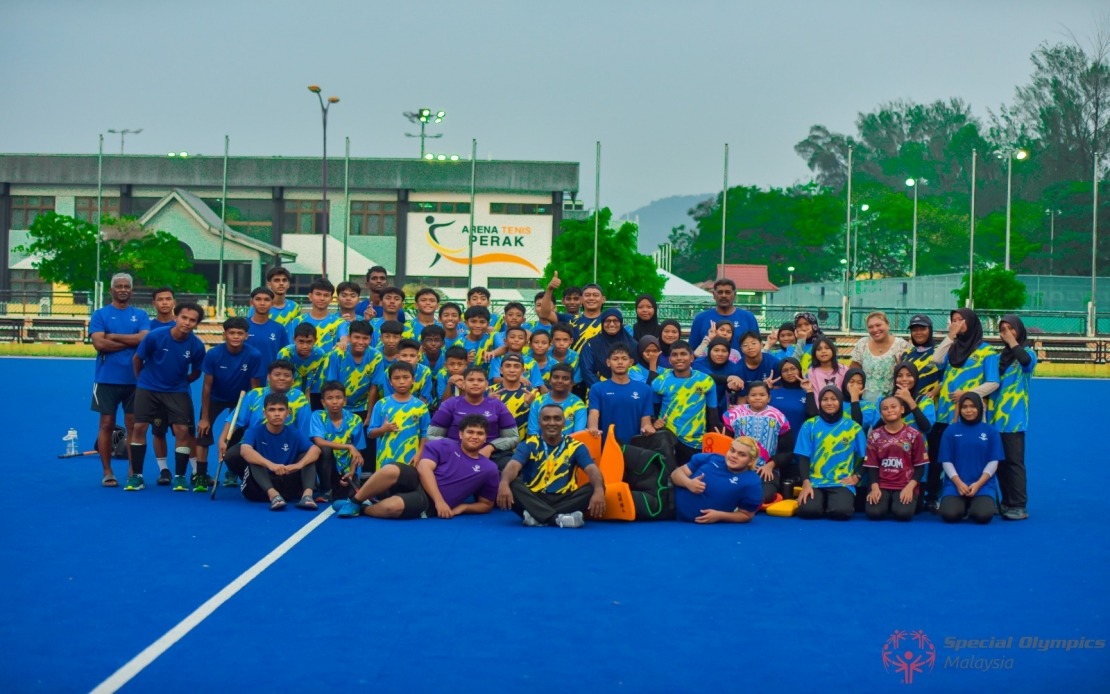
Malaysia is preparing to make its mark on the international para hockey stage as it fields a 10-member contingent at the inaugural FIH Para Hockey ID World Cup 2026, scheduled to take place across Belgium and the Netherlands from August 20 to 25. The squad comprises six male and four female athletes selected through a rigorous process that began in December 2025, evaluated on their competitive performance, training dedication, and disciplinary standards.
According to Shanker Retinam, assistant head of delegation for the Malaysian team, the athletes represent the highest calibre of competitors identified within the intellectual disability para hockey category. The selection methodology reflects the Malaysian sports establishment's commitment to fielding competitive teams that can genuinely contend on the world stage rather than simply participating for the sake of representation. Over the past months, the squad has undergone intensive monthly centralised training programmes in Ipoh, ensuring they arrive in Europe with optimal preparation and tactical coordination.
The significance of this tournament extends beyond mere athletic competition. The inaugural FIH Para Hockey ID World Cup brings together 16 of the world's elite teams competing in the intellectual disability classification, creating a platform where Malaysian athletes can demonstrate their capabilities to a global audience. For a nation still developing its para sports infrastructure and international visibility, such opportunities are invaluable for talent exposure and the growth of niche sporting disciplines that historically have struggled for recognition and funding.
What amplifies the prestige of this event is its scheduling alongside the Men's and Women's Hockey World Cups, with all competitions utilising the same venues across Belgium and the Netherlands. This arrangement means Malaysian para hockey athletes will compete in the same facilities and ecosystem as elite able-bodied players, creating a unique environment that underscores the legitimacy and integration of para sports within the broader hockey community. The proximity of these tournaments may also enhance media coverage and spectator interest in the para hockey competition.
Malaysia's competitive pathway has been structured thoughtfully, with the team drawn into Pool B alongside formidable opponents including the Netherlands, Argentina, England, Spain, India, Chile, and Bulgaria. This grouping includes established hockey nations and emerging para sports powers, offering the Malaysian contingent exposure to varied playing styles and tactical approaches. The tournament's opening fixture against Bulgaria in the Netherlands will serve as a crucial early test, allowing the team to acclimatise to European conditions and competitive intensity while establishing baseline performance metrics.
The departure of the Malaysian team is scheduled for August 17, providing a three-day window for final preparations and acclimatisation before competition commences. Such timing reflects careful logistical planning to balance travel recovery with training opportunities. The national team's preparations will culminate in a ceremonial flag-handover event at the Royal Perak Golf Club, where Sultan Nazrin Shah, the Sultan of Perak, will officiate the proceedings. This royal patronage carries symbolic weight, reflecting the state and national recognition accorded to para sports development and international representation.
The tournament represents a watershed moment for Malaysian para hockey specifically and para sports more broadly. As a nation with significant Special Olympics involvement through grassroots programmes, Malaysia has been building capability in intellectual disability sports categories that remained largely neglected in previous decades. The participation of the Perak Special Olympics Association in coordinating this team demonstrates how state-level sporting bodies have become instrumental in identifying and developing para athletes who might otherwise lack competitive pathways.
For Southeast Asia, Malaysia's appearance at this inaugural world championship could catalyse increased regional interest in para hockey. As a regional sports leader with capacity to host and organise major events, Malaysia's entry into international para hockey competition may inspire neighbouring countries to develop their own programmes, potentially creating a Southeast Asian competitive ecosystem where none currently exists. The sport itself offers inclusive competition opportunities for both men and women in mixed-gender formats, appealing to sports administrators seeking gender-balanced participation models.
The intellectual disability category, distinct from physical disability and vision impairment classifications, has been an area of growth within Paralympic sports globally. By competing at the world championship level, Malaysian athletes in this category move from relative isolation to integration within established international frameworks. This exposure should drive continued investment in coaching expertise, medical support, and training facilities. Success at this inaugural event could justify increased budget allocations for para hockey development in subsequent competitive cycles.
From a broader developmental perspective, Malaysia's participation reflects the maturation of its para sports ecosystem. Where para athletes once competed primarily in regional championships or games, the nation now fields teams at world championship events in multiple disciplines. This trajectory demonstrates how strategic investment in talent identification, coaching development, and infrastructure creates the conditions for genuine international competitiveness rather than token participation. The intellectual disability para hockey team exemplifies this progression, representing not merely an invitation to compete but earned qualification to contend with the world's best programmes.

